What Are Forex Trading Signals?
If you’re new to the world of forex trading or looking for ways to enhance your trading strategy, you may have come across the term “forex trading signals.” In this article, we will explore what forex trading signals are and how they can be used to assist traders in making informed trading decisions.
1. Understanding Forex Trading Signals
Forex trading signals are alerts or recommendations that provide traders with insights into potential trading opportunities in the foreign exchange market. These signals are usually generated by professional traders or specialized software based on various technical or fundamental analysis factors.
2. Types of Forex Trading Signals
Forex trading signals can be broadly classified into two types:
2.1. Manual Signals
Manual signals are generated by experienced traders who analyze the market and identify potential trade setups. These traders use their expertise, knowledge, and experience to evaluate various indicators, chart patterns, and economic news to generate trading signals. Manual signals are often shared through email, social media groups, or dedicated trading signal platforms.
2.2. Automated Signals
Automated signals, also known as algorithmic signals, are generated by computer programs or software that utilize predefined rules and algorithms. These programs analyze market data, historical patterns, and technical indicators to identify potential trading opportunities. Automated signals are usually delivered in real-time through trading platforms or specialized signal services.
3. How Forex Trading Signals Work
The process of using forex trading signals typically involves the following steps:
3.1. Signal Generation
In the case of manual signals, professional traders analyze market conditions, perform technical analysis, and evaluate economic factors to identify potential trading opportunities. For automated signals, computer programs execute predefined algorithms to scan the market for favorable conditions.
3.2. Signal Delivery
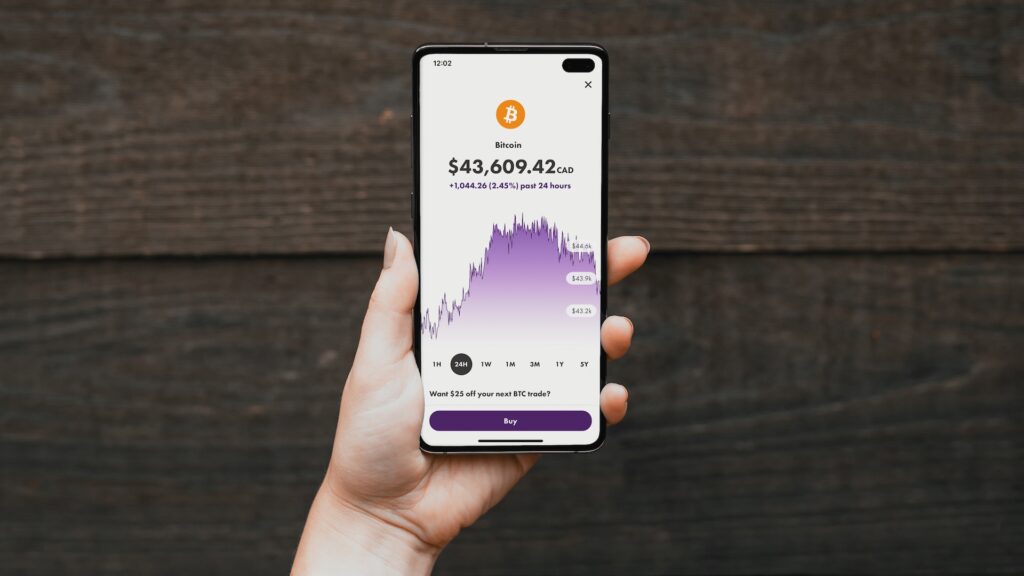
Once the trading signals are generated, they are delivered to traders through various channels such as email, SMS, mobile apps, or integrated directly into trading platforms. Traders can choose their preferred method of receiving signals based on convenience and accessibility.
3.3. Signal Evaluation
Upon receiving the trading signals, traders evaluate them based on their individual trading strategy, risk appetite, and market conditions. Traders may consider factors such as the quality of the signal source, the reliability of the signal provider, and the alignment of the signal with their trading goals.
3.4. Trade Execution
Once traders have assessed the trading signals and determined their suitability, they can choose to execute trades based on the provided recommendations. It’s important to note that traders have the final decision-making authority and can choose to follow or disregard the signals based on their own analysis and judgment.
4. Benefits of Forex Trading Signals
Forex trading signals offer several potential benefits to traders:
4.1. Time-Saving
Trading signals save time for traders as they provide ready-made recommendations, eliminating the need for extensive market analysis and research. Traders can focus on other aspects of their trading strategy while relying on the expertise of signal providers.
4.2. Access to Expert Analysis
Forex trading signals provide access to the analysis and insights of professional traders or sophisticated algorithms. Traders can benefit from the expertise and experience of signal providers, especially if they are new to the forex market or lack the necessary knowledge to perform in-depth analysis themselves.
4.3. Idea Generation and Confirmation
Forex trading signals can act as idea generators or confirmations for traders. They can help identify potential trade setups, validate existing trading strategies, or provide alternative perspectives on the market. Incorporating signals into their analysis can enhance traders’ decision-making process and potentially improve trading success.
5. Limitations of Forex Trading Signals
While forex trading signals can be beneficial, it’s important to consider their limitations:
5.1. Reliance on Signal Providers
Traders need to evaluate the credibility and reliability of signal providers or signal-generating software. The quality and accuracy of signals can vary, and relying solely on signals without understanding the underlying analysis can be risky.
5.2. Market Volatility and Timing
Market conditions, including volatility and timing, can significantly impact the accuracy and effectiveness of trading signals. Rapid market movements, unexpected news events, or unusual market conditions may render signals less reliable. Traders should exercise caution and consider the current market environment before acting on signals.
5.3. Tailoring to Individual Trading Strategies
Forex trading signals may not perfectly align with a trader’s individual trading strategy, risk tolerance, or preferred trading style. Traders need to assess and adapt the signals to suit their specific requirements. It’s crucial to consider the signals as part of a broader trading approach rather than relying on them exclusively.
Conclusion
Forex trading signals are valuable tools that can assist traders in making informed trading decisions. Whether generated manually by experienced traders or automatically by software algorithms, these signals provide insights into potential trading opportunities. However, traders should be aware of the limitations and exercise caution when relying solely on trading signals. It’s important to conduct thorough research, evaluate signal providers, and consider signals as part of a comprehensive trading strategy. By doing so, traders can maximize the potential benefits of forex trading signals and enhance their trading performance.