Strategies for Successful Forex Trading
Forex trading can be a lucrative endeavor if approached with the right strategies. In this article, we will explore some key strategies that can help traders increase their chances of success in the forex market.
1. Technical Analysis
Technical analysis involves studying historical price data, chart patterns, and indicators to identify potential trading opportunities. Traders who rely on technical analysis use tools such as moving averages, support and resistance levels, and oscillators to make informed decisions. By analyzing past price movements, traders aim to predict future price trends and take advantage of them.
1.1 Candlestick Patterns
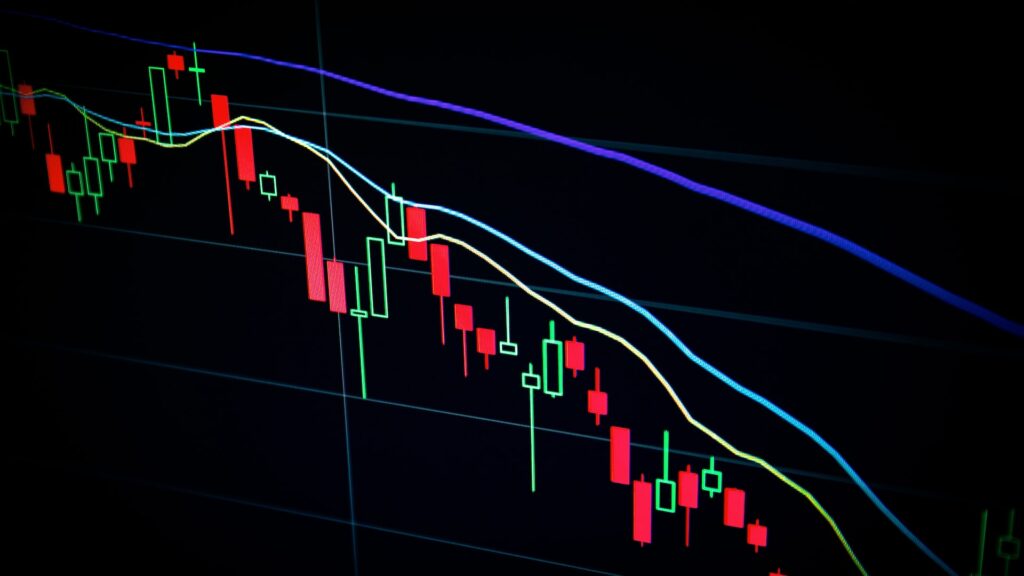
Candlestick patterns are visual representations of price movements that can provide valuable insights into market sentiment. Patterns such as doji, engulfing, and hammer can indicate potential trend reversals or continuation. Traders who understand and can interpret candlestick patterns have an additional tool for making trading decisions.
2. Fundamental Analysis
Fundamental analysis involves assessing economic factors, geopolitical events, and news releases that can influence currency prices. By analyzing economic indicators such as GDP growth, interest rates, and employment data, traders can gauge the strength of an economy and anticipate currency movements. Traders who employ fundamental analysis often focus on long-term trends and use this information to make trading decisions.
2.1 News Trading
News trading is a strategy that involves taking positions based on the impact of significant news events on currency prices. Traders closely monitor economic calendars and news releases to identify potential market-moving events. By analyzing the expected impact of these events, traders can position themselves to take advantage of short-term price volatility.
3. Risk Management
Effective risk management is crucial for successful forex trading. Traders should have a clear understanding of their risk tolerance and set appropriate stop-loss orders to limit potential losses. Risk management also involves proper position sizing, diversification, and avoiding excessive leverage. By managing risk effectively, traders can protect their capital and withstand market fluctuations.
4. Trend Following
Trend following is a strategy that involves identifying and trading in the direction of established market trends. Traders using this strategy look for patterns of higher highs and higher lows in an uptrend or lower highs and lower lows in a downtrend. By entering trades that align with the prevailing trend, traders aim to capture extended price moves and maximize profit potential.
5. Range Trading
Range trading is a strategy that involves identifying support and resistance levels and trading within the price range. Traders using this strategy buy near support levels and sell near resistance levels, aiming to profit from price reversals within the range. This strategy is suitable for markets that lack a clear trend and exhibit sideways movement.
6. Automated Trading
Automated trading, also known as algorithmic trading, involves using computer programs to execute trades based on predefined criteria. Traders can develop trading algorithms that follow specific strategies and automatically enter and exit trades. Automated trading can help remove emotions from trading decisions and allow for faster execution, especially in markets with high volatility.
Conclusion
Successful forex trading requires a combination of technical and fundamental analysis, effective risk management, and the use of suitable trading strategies. Traders can employ technical analysis tools like candlestick patterns and indicators to identify entry and exit points. Fundamental analysis helps traders understand the broader economic context and anticipate currency movements. Risk management is essential to protect capital and limit losses. Strategies such as trend following, range trading, and automated trading can provide additional structure and discipline to trading decisions. By applying these strategies and continuously learning and adapting to market conditions, traders can enhance their chances of success in the dynamic forex market.