What Factors Should I Consider When Choosing a Forex Broker?
Choosing the right forex broker is crucial for your success in the forex market. With numerous brokers available, it’s important to consider several factors before making a decision. In this blog post, we will discuss the key factors you should consider when choosing a forex broker to ensure a reliable and suitable trading experience.
Section 1: Regulation and Security
Subsection 1.1: Regulatory Compliance
It’s essential to choose a forex broker that is regulated by a reputable financial authority. Regulatory bodies such as the Financial Conduct Authority (FCA) in the UK or the Securities and Exchange Commission (SEC) in the US oversee brokers to ensure they adhere to strict standards and protect investors. Regulatory compliance provides you with peace of mind and helps ensure the safety of your funds.
Subsection 1.2: Account Security
Look for a forex broker that prioritizes account security. Encryption technology, two-factor authentication, and segregated client accounts are some of the security measures that reputable brokers implement. These measures protect your personal information and funds from unauthorized access and potential cyber threats.
Section 2: Trading Costs and Conditions
Subsection 2.1: Spreads and Commissions
Consider the spreads and commissions charged by the broker. Spreads are the difference between the buying and selling price of a currency pair, and commissions are additional fees charged on each trade. Lower spreads and commissions can reduce your trading costs, especially if you frequently engage in short-term trading strategies.
Subsection 2.2: Account Types and Minimum Deposit
Check the account types offered by the broker and the minimum deposit required to open an account. Brokers typically offer different account options, such as standard accounts for regular traders and VIP accounts for high-volume traders. Ensure the minimum deposit aligns with your budget and trading preferences.
Section 3: Trading Platform and Tools
Subsection 3.1: User-Friendly Platform
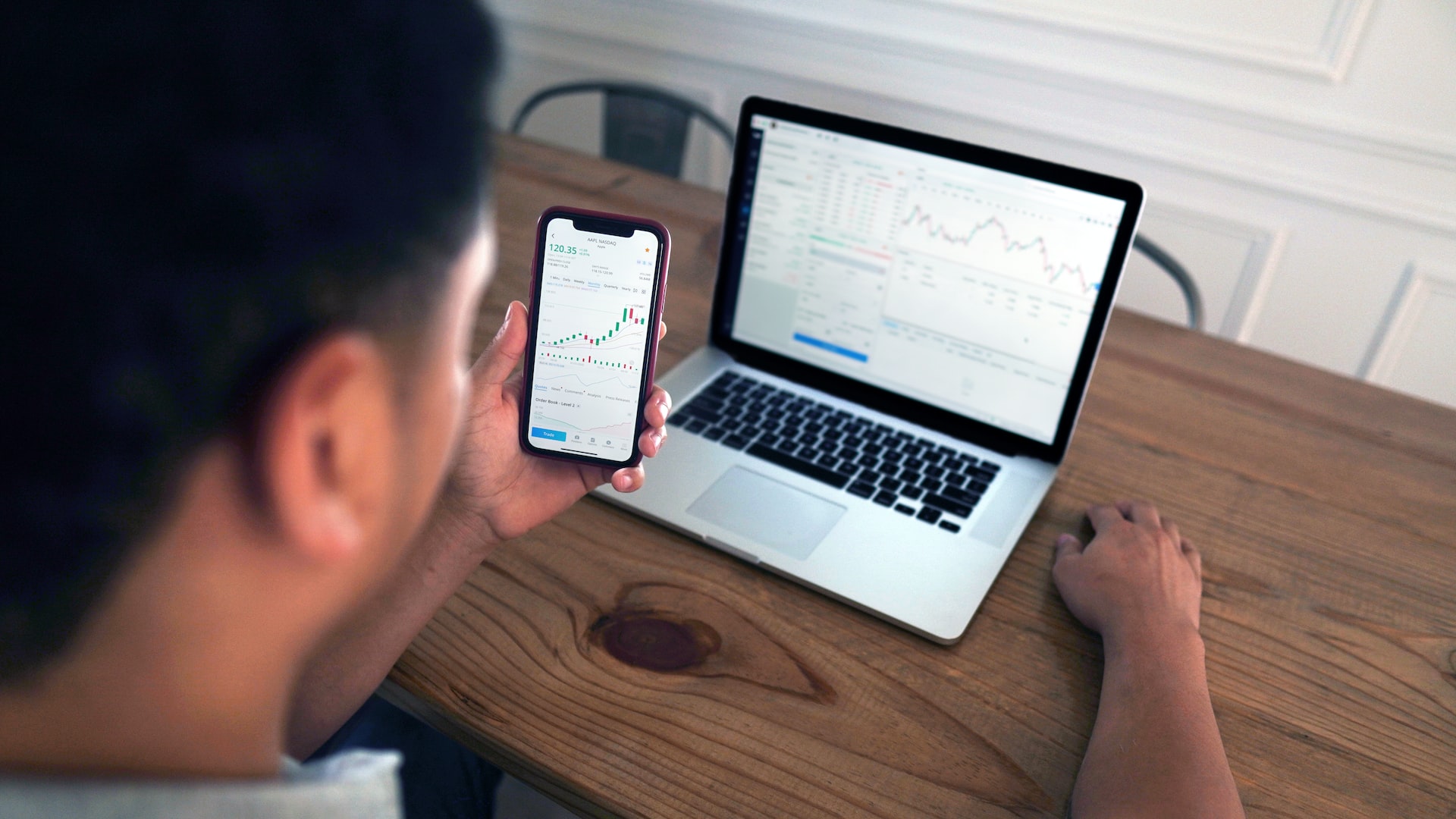
An intuitive and user-friendly trading platform is essential for a smooth trading experience. Look for a platform that offers easy navigation, customizable charts, and a range of technical analysis tools. A demo account option can also be beneficial for testing the platform’s functionality before committing real funds.
Subsection 3.2: Trading Tools and Features
Consider the trading tools and features provided by the broker. These may include advanced charting software, economic calendars, risk management tools, and access to market research and analysis. These tools can enhance your trading decisions and provide valuable insights into the forex market.
Section 4: Customer Support and Education
Subsection 4.1: Responsive Customer Support
Choose a broker that offers responsive customer support channels, such as live chat, email, or phone support. Prompt and helpful customer support is crucial, especially when you encounter issues or have questions regarding your trading activities or account.
Subsection 4.2: Educational Resources
Consider whether the broker provides educational resources to help you improve your trading skills and knowledge. These resources may include webinars, tutorials, trading guides, and market analysis. Access to educational materials can be valuable, particularly for beginner traders.
Conclusion
Choosing the right forex broker is an important decision that can significantly impact your trading experience. By considering factors such as regulation, security, trading costs, platform features, and customer support, you can make an informed choice. Remember to assess your own trading needs and preferences to find a broker that aligns with your goals. Taking the time to research and evaluate different brokers will help ensure a reliable and suitable partnership as you venture into the dynamic world of forex trading.