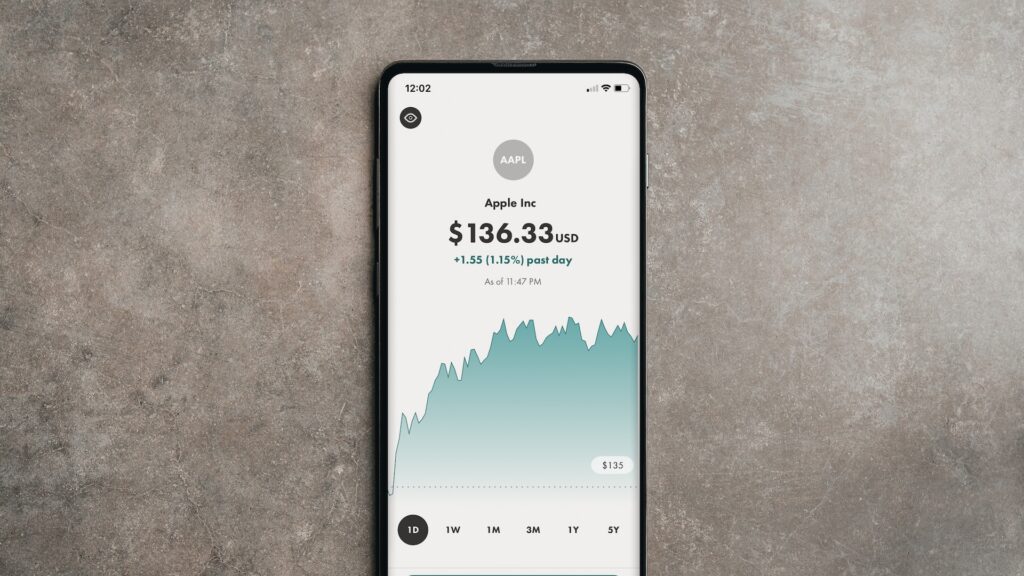
Introduction to Automated Forex Trading Strategies
Automated forex trading strategies, also known as algorithmic trading or black-box trading, involve using computer programs to execute trades based on predefined rules and parameters. These strategies aim to remove human emotions and biases from trading decisions, relying instead on data analysis and algorithms to identify trading opportunities.
Subsection 1.1: How Automated Trading Works
Automated trading systems use pre-programmed rules to analyze market conditions, identify potential trade setups, and execute trades. These rules can be based on various technical indicators, fundamental factors, or a combination of both. The trading system continuously monitors the market, scanning for opportunities and executing trades when the predefined conditions are met.
Section 2: Benefits of Automated Forex Trading Strategies
Automated forex trading strategies offer several advantages to traders. Here are some key benefits:
Subsection 2.1: Increased Speed and Efficiency
Automation allows for trades to be executed instantly, eliminating the need for manual order placement. This speed and efficiency can be crucial in forex markets where prices can change rapidly. Automated systems can also simultaneously monitor multiple currency pairs and execute trades across different markets, which would be challenging for manual traders.
Subsection 2.2: Removal of Emotional Bias
Emotions such as fear and greed can often cloud judgment and lead to poor trading decisions. Automated trading strategies eliminate emotional bias by strictly following predefined rules and parameters. This can lead to more disciplined and consistent trading, as decisions are based on data and analysis rather than subjective emotions.
Subsection 2.3: Backtesting and Optimization
Automated trading systems can be backtested using historical data to assess their performance and profitability. Traders can analyze past results to refine and optimize their strategies. Backtesting allows traders to evaluate different parameters, indicators, and risk management techniques to improve the overall effectiveness of their trading strategies.
Subsection 2.4: 24/7 Market Monitoring
The forex market operates 24 hours a day, five days a week. Automated trading systems can continuously monitor the market, even when traders are unavailable or asleep. This ensures that trading opportunities are not missed, and trades can be executed promptly.
Section 3: Risks and Considerations
While automated forex trading strategies offer numerous benefits, it’s important to be aware of the risks involved. Here are some considerations:
Subsection 3.1: System Reliability and Technical Issues
Automated systems rely on stable internet connections, reliable software, and robust infrastructure. Technical issues or system failures can potentially lead to missed trades or order execution errors. Traders should ensure they have reliable technology and contingency plans in place to mitigate these risks.
Subsection 3.2: Market Volatility and Unexpected Events
Automated trading strategies are designed to operate under specific market conditions. However, extreme market volatility or unexpected events can disrupt normal trading patterns and cause losses. Traders should carefully consider risk management techniques and incorporate safeguards to protect against unpredictable market movements.
Section 4: Conclusion
Automated forex trading strategies offer traders the ability to execute trades based on predefined rules and algorithms. With increased speed, efficiency, and the removal of emotional bias, these strategies can provide several benefits. However, it’s important to be aware of the risks involved and to carefully consider system reliability, market volatility, and other factors. By understanding and utilizing automated forex trading strategies effectively, traders can enhance their trading performance and potentially achieve consistent profits in the dynamic forex market.