Introduction to Post-Brexit Challenges
Following Brexit, the forex trading landscape in the UK has undergone significant changes. Traders now face new obstacles that require careful consideration and adaptation to ensure continued success in their trading activities.
Section 2: Increased Market Volatility
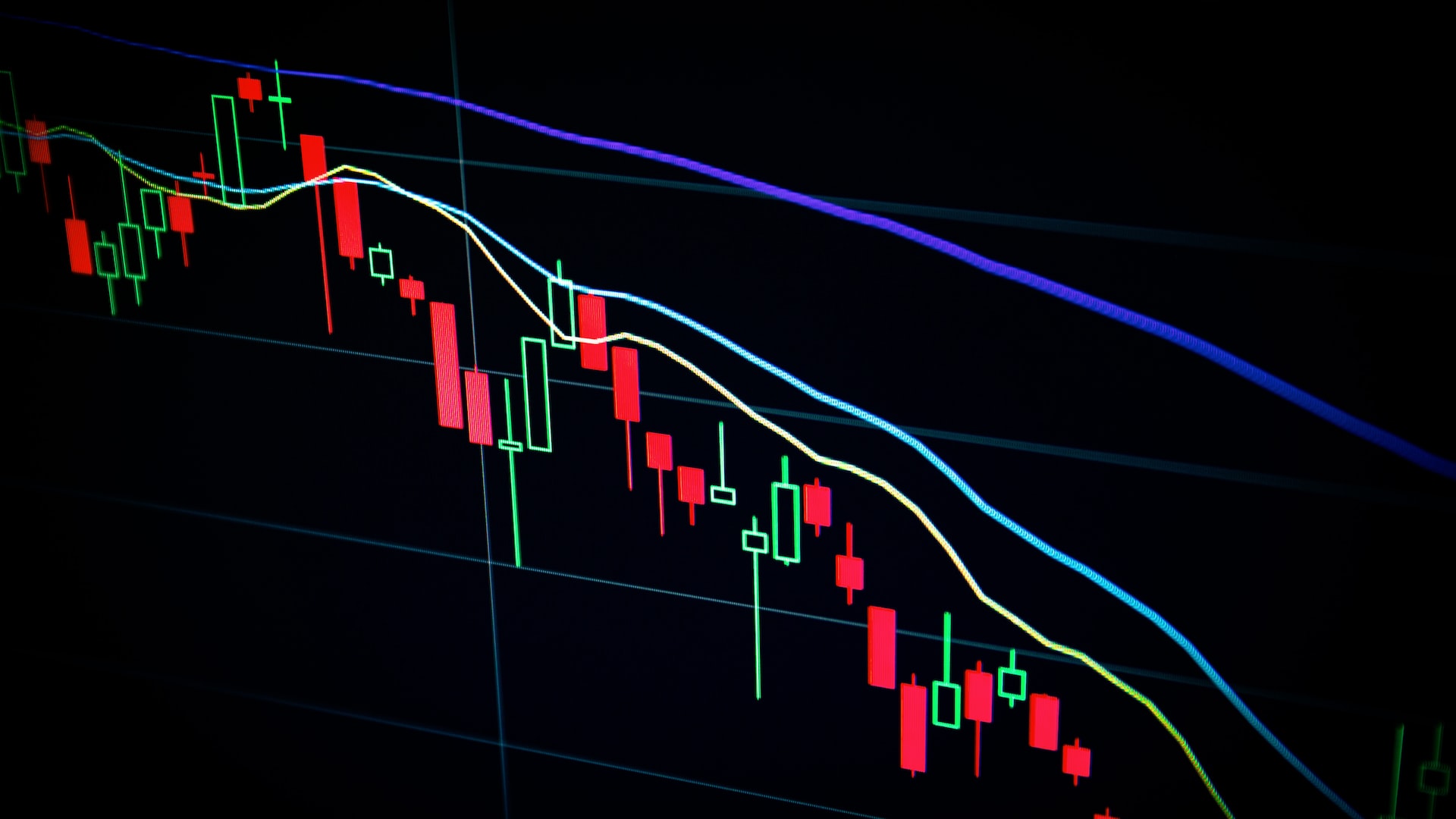
One of the major challenges facing forex traders in the UK post-Brexit is increased market volatility. Uncertainties surrounding the UK’s future relationship with the EU have led to fluctuations in currency exchange rates, making it more difficult to predict market movements accurately. Traders must develop robust risk management strategies to navigate this heightened volatility.
Section 3: Regulatory Changes
Regulatory changes post-Brexit have introduced new challenges for forex traders in the UK. Traders must familiarize themselves with the updated regulatory frameworks specific to the UK and ensure compliance with the Financial Conduct Authority’s (FCA) requirements. Adapting to these changes may involve adjusting trading practices, updating documentation, and staying informed about any new developments in the regulatory landscape.
Section 4: Access to EU Markets
Another significant challenge for forex traders in the UK post-Brexit is limited access to EU markets. UK-based traders have lost passporting rights, which previously allowed them to provide services to clients in EU member states. This has resulted in the need to establish new entities within the EU or partner with EU-regulated brokers to continue serving EU clients. Traders must navigate these changes by exploring alternative market access options and ensuring compliance with local regulations.
Section 5: Currency Volatility and Hedging
Currency volatility, particularly related to the British pound (GBP), poses a challenge for forex traders in the UK. Fluctuations in GBP exchange rates can impact trading strategies and profitability. Traders may need to employ effective hedging techniques to mitigate currency risk and protect their positions from adverse movements.
Section 6: Economic Uncertainty
The economic uncertainty resulting from Brexit presents challenges for forex traders in the UK. Changes in economic fundamentals, such as interest rates, inflation, and GDP growth, can influence currency values and impact trading decisions. Traders must stay updated on economic indicators, monitor shifts in market sentiment, and adjust their strategies accordingly.
Section 7: Conclusion
Forex traders in the UK face several challenges in the post-Brexit era. Increased market volatility, regulatory changes, limited access to EU markets, currency volatility, and economic uncertainty are among the hurdles that traders must overcome. By developing robust risk management strategies, staying informed about regulatory updates, exploring alternative market access options, employing effective hedging techniques, and adapting to changing economic conditions, forex traders in the UK can navigate these challenges and continue to thrive in the evolving forex trading landscape.