What Are Some Trusted Strategies for Safe Forex Trading?
Forex trading can be a lucrative investment opportunity, but it also comes with risks. To ensure safe and successful trading, it’s important to implement trusted strategies that minimize potential losses and protect your capital. In this blog post, we will discuss some reliable strategies you can employ for safe forex trading.
Section 1: Risk Management
Risk management is a fundamental aspect of safe forex trading. By effectively managing your risk exposure, you can protect your capital and minimize potential losses. Here are some key strategies to consider:
Subsection 1.1: Set Stop-Loss Orders
Set stop-loss orders for each trade to automatically exit a position if it reaches a certain predefined price level. This helps limit your potential losses and protects your investment from significant downturns.
Subsection 1.2: Use Proper Position Sizing
Calculate your position size based on your risk tolerance and the size of your trading account. Avoid risking too much capital on a single trade, as this can lead to substantial losses. A common rule of thumb is to risk no more than 1-2% of your account balance on any given trade.
Section 2: Technical Analysis
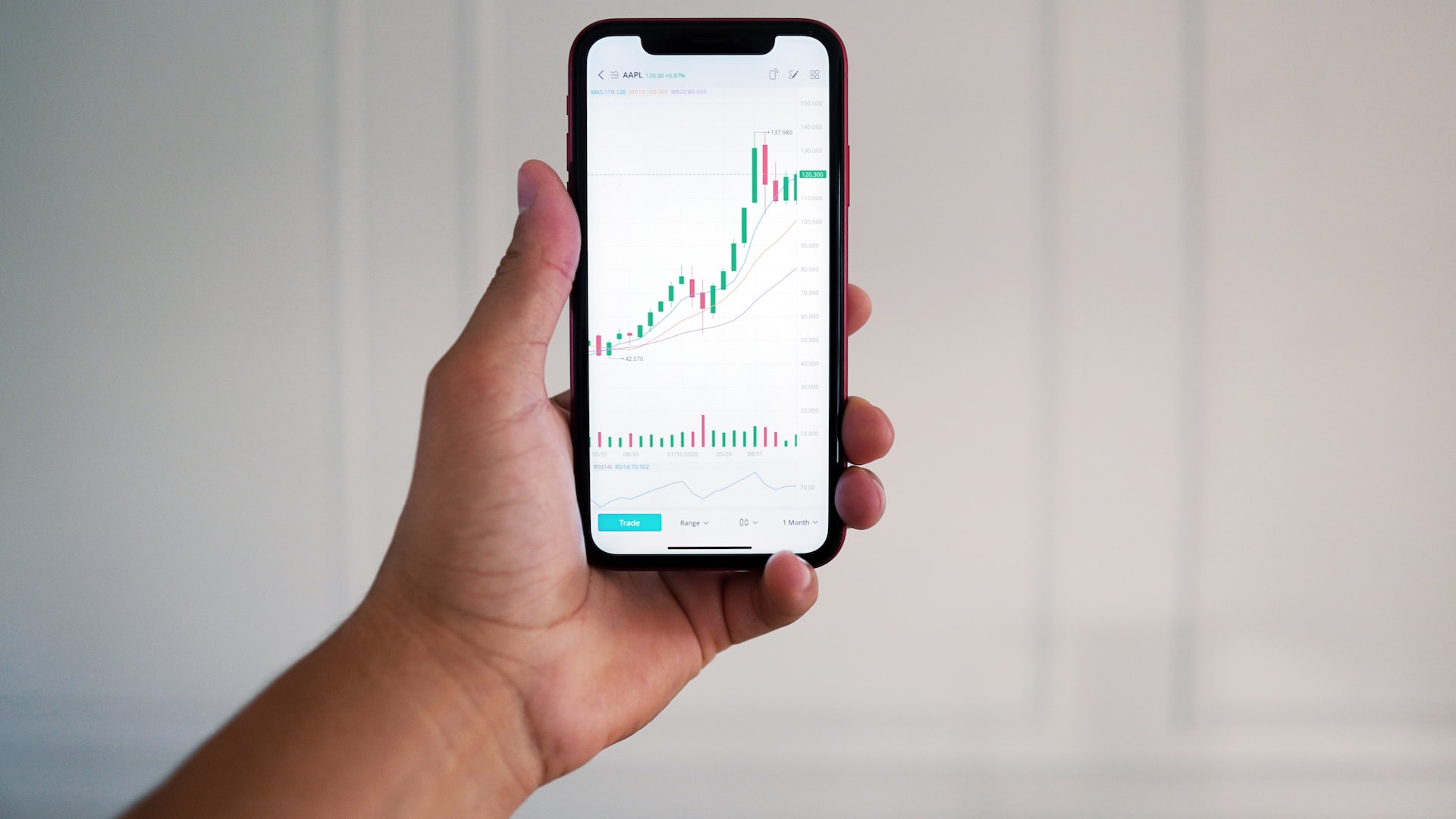
Technical analysis involves studying price charts and using various indicators to make informed trading decisions. By analyzing historical price patterns and market trends, you can identify potential entry and exit points with higher probability. Here are a couple of reliable technical analysis strategies:
Subsection 2.1: Support and Resistance Levels
Identify key support and resistance levels on the price chart. These levels represent areas where the price has historically reversed or stalled. By buying near support levels and selling near resistance levels, you can take advantage of potential price reversals.
Subsection 2.2: Moving Averages
Use moving averages to identify trends and potential entry/exit points. For example, a commonly used strategy is to buy when the price crosses above a moving average and sell when it crosses below. Moving averages smooth out price fluctuations and help filter out market noise.
Section 3: Fundamental Analysis
Fundamental analysis involves evaluating economic and financial factors that can influence currency values. By understanding the underlying fundamentals, you can make informed trading decisions. Here are a couple of trusted fundamental analysis strategies:
Subsection 3.1: Economic Calendar Analysis
Stay updated on economic events and news releases that can impact currency markets. Economic calendars provide information on key indicators, such as interest rate decisions, GDP reports, and employment data. By anticipating market reactions to these events, you can adjust your trading strategies accordingly.
Subsection 3.2: Central Bank Policies
Monitor central bank policies and statements. Central banks play a crucial role in shaping monetary policies and can have a significant impact on currency values. By staying informed about their actions and statements, you can anticipate potential market movements and adjust your trading positions accordingly.
Section 4: Diversification
Diversification is a risk management strategy that involves spreading your investments across different currency pairs and asset classes. By diversifying your portfolio, you can reduce the impact of any single trade or market event. Here are a couple of diversification strategies:
Subsection 4.1: Trade Multiple Currency Pairs
Instead of focusing on a single currency pair, consider trading multiple pairs. This spreads your risk and allows you to take advantage of various market opportunities. However, ensure that you are familiar with the characteristics and dynamics of each currency pair you trade.
Subsection 4.2: Explore Other Asset Classes
In addition to forex, consider diversifying your portfolio by trading other asset classes, such as stocks, commodities, or cryptocurrencies. This can help reduce your exposure to forex-specific risks and provide alternative sources of potential profit.
Section 5: Continuous Learning and Practice
Forex trading is a skill that requires continuous learning and practice. Stay updated on market trends, learn from experienced traders, and practice your strategies in a risk-free environment. Here are a couple of tips for ongoing learning:
Subsection 5.1: Follow Trusted Sources
Follow reputable financial news outlets, blogs, and forums that provide reliable and up-to-date information on forex trading. This allows you to stay informed about market developments and learn from industry experts.
Subsection 5.2: Utilize Demo Accounts
Practice your trading strategies using demo accounts provided by reputable brokers. Demo accounts allow you to trade with virtual money in real market conditions, helping you gain experience and confidence without risking your capital.
Section 6: Conclusion
Safe forex trading requires a combination of risk management, technical and fundamental analysis, diversification, and continuous learning. By implementing these trusted strategies, you can enhance your chances of success while protecting your capital. Remember to always trade responsibly and never risk more than you can afford to lose. Happy and safe trading!