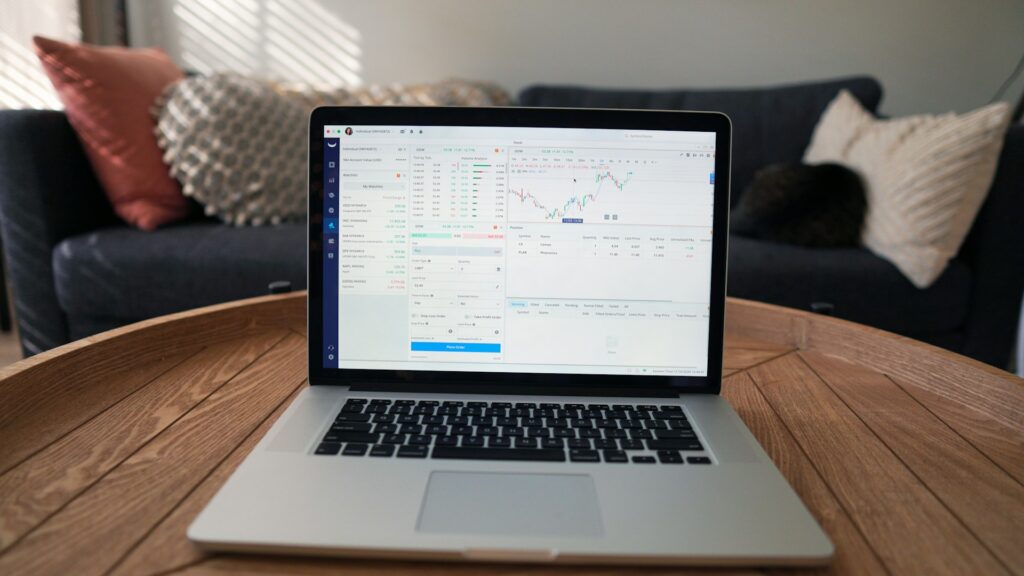
What Is the Role of Trend Lines in Forex Analysis?
Trend lines are a fundamental tool used in forex analysis to identify and analyze market trends. They play a crucial role in helping traders make informed trading decisions based on price patterns and market movements. In this blog post, we will explore the importance of trend lines in forex analysis and how they can be used effectively.
1. Understanding Market Trends
Trend lines are primarily used to identify and understand market trends. By connecting a series of higher lows in an uptrend or lower highs in a downtrend, traders can draw trend lines that represent the direction of the market. This visual representation helps traders gain insights into whether the market is bullish or bearish.
2. Identifying Support and Resistance Levels
Trend lines also help in identifying support and resistance levels. In an uptrend, a trend line acts as a support level, indicating a potential buying opportunity when the price retraces to that level. Conversely, in a downtrend, a trend line acts as a resistance level, suggesting a potential selling opportunity when the price approaches that level.
3. Validating Breakouts and Reversals
Trend lines are valuable for validating breakouts and reversals in the market. When the price breaks above or below a trend line, it can indicate a potential change in the market trend. Traders often look for confirmation of breakouts or reversals by observing increased trading volume and the strength of the price move.
3.1 Breakouts
A breakout occurs when the price breaks above or below a trend line, indicating a potential continuation of the current trend or the start of a new trend. Traders may enter a trade when a breakout is confirmed, expecting the price to continue moving in the breakout direction.
3.2 Reversals
A reversal happens when the price fails to break a trend line and starts moving in the opposite direction. Traders may consider entering a trade in the opposite direction of the previous trend when a reversal is confirmed. This can provide opportunities to profit from a change in market sentiment.
4. Drawing Trend Channels
Trend lines can be used to draw trend channels, which provide additional insights into the market. A trend channel consists of two parallel trend lines, with the upper line acting as resistance and the lower line as support. Traders can use trend channels to identify potential entry and exit points within the defined price range.
5. Management of Stop-Loss Orders
Trend lines can also assist in managing stop-loss orders. Traders often place their stop-loss orders slightly below an uptrend trend line or slightly above a downtrend trend line. This helps protect their positions in case the trend reverses, minimizing potential losses.
Conclusion
Trend lines are a powerful tool in forex analysis that help traders identify market trends, locate support and resistance levels, validate breakouts and reversals, draw trend channels, and manage stop-loss orders. By incorporating trend lines into their analysis, traders can make more informed trading decisions and increase their chances of success. It is important to note that trend lines should be used in conjunction with other technical indicators and analysis techniques for a comprehensive understanding of the market.