Modifying Forex Trading Strategies Post-Brexit
The decision of the United Kingdom to leave the European Union, commonly known as Brexit, has brought about significant changes in the forex market. Traders need to adapt their trading strategies to navigate the new landscape effectively. In this article, we will explore how forex trading strategies should be modified post-Brexit.
1. Stay Informed and Monitor Market Developments
Post-Brexit, it is crucial for traders to stay informed and closely monitor market developments. The forex market has become more volatile and unpredictable, making it essential to keep up with the latest news, economic indicators, and political events that can impact currency valuations. By staying informed, traders can make more informed decisions and adjust their strategies accordingly.
2. Analyze Currency Volatility and Adjust Risk Management
Brexit has introduced increased volatility in the forex market. Traders should analyze currency pairs and assess their volatility levels. This analysis can help in adjusting risk management strategies to account for the higher levels of volatility. Traders may consider widening stop-loss orders, reducing position sizes, or using hedging techniques to manage risk effectively.
3. Diversify Currency Exposure
Post-Brexit, it is advisable for traders to diversify their currency exposure to mitigate risk. Relying heavily on a single currency or currency pair can be risky due to increased uncertainty. By diversifying their portfolio, traders can spread their risk across multiple currencies, potentially reducing the impact of Brexit-related events on their trading performance.
4. Adapt to Regulatory Changes
Brexit has led to regulatory changes in the UK forex market. Traders must adapt to these changes and ensure compliance with the new rules and requirements set by the UK authorities, such as the Financial Conduct Authority (FCA). Staying updated on the evolving regulatory landscape and adjusting trading strategies accordingly is essential to navigate the post-Brexit market successfully.
5. Utilize Technical Analysis and Historical Data
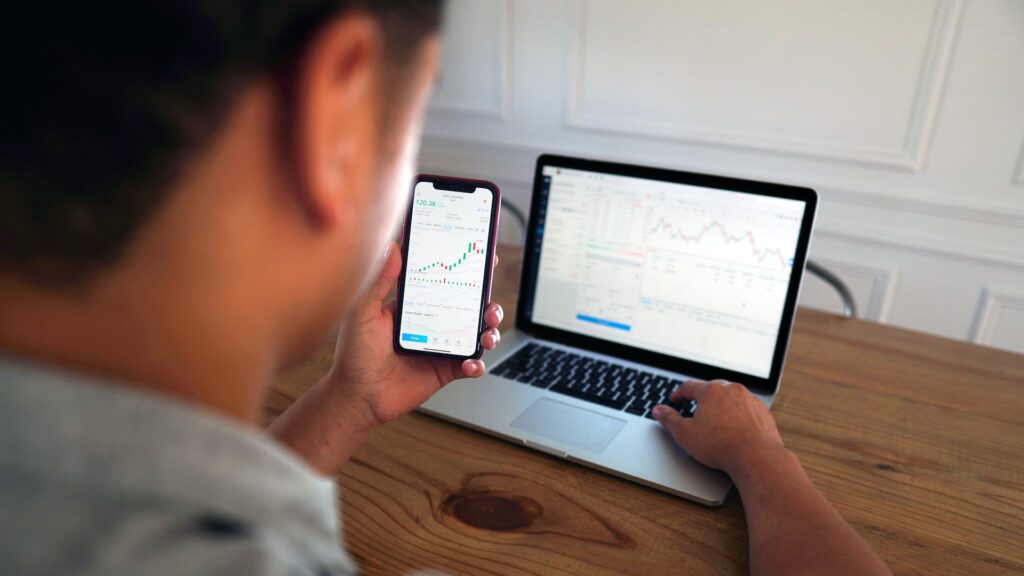
Technical analysis and historical data can provide valuable insights for traders post-Brexit. By analyzing charts, patterns, and trends, traders can identify potential entry and exit points for their trades. Historical data can also help in understanding how currency pairs have reacted to past events and provide a basis for making informed trading decisions in the current market conditions.
6. Embrace Technological Advancements
Technological advancements have transformed the forex market and can play a crucial role post-Brexit. Traders should embrace these advancements, such as algorithmic trading, automated systems, and advanced trading platforms, to enhance their trading capabilities. Leveraging technology can help in analyzing the market, identifying trading opportunities, and executing trades efficiently in the post-Brexit era.
7. Continuously Evaluate and Adjust Strategies
Lastly, it is important for traders to continuously evaluate and adjust their strategies post-Brexit. The forex market is dynamic, and what works today may not work tomorrow. By regularly reviewing trading strategies, identifying strengths and weaknesses, and making necessary adjustments, traders can adapt to changing market conditions and increase their chances of success.
Conclusion
Modifying forex trading strategies post-Brexit is essential to navigate the new market landscape effectively. Staying informed, analyzing currency volatility, diversifying currency exposure, adapting to regulatory changes, utilizing technical analysis and historical data, embracing technological advancements, and continuously evaluating and adjusting strategies are key considerations for traders. By modifying their strategies to align with the post-Brexit era, traders can position themselves for success in the evolving forex market.