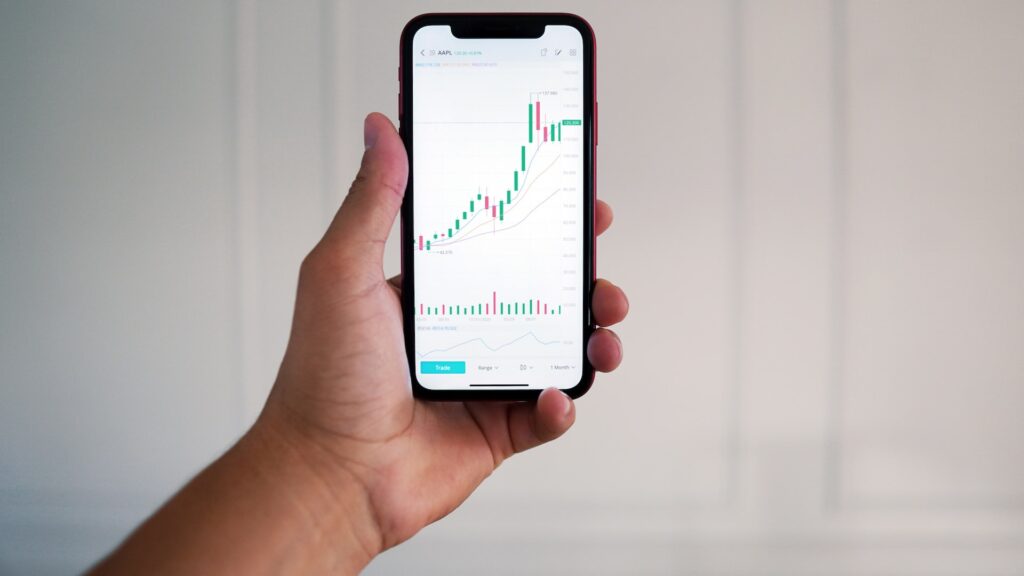
How Do Forex Rates Affect Customers of ICICI Bank?
Forex rates play a crucial role in international transactions and currency conversions. As a customer of ICICI Bank, it is important to understand how forex rates can affect your financial transactions. In this blog post, we will explore how forex rates impact customers of ICICI Bank and what factors to consider when dealing with foreign exchange.
1. Introduction to Forex Rates
Forex rates, also known as foreign exchange rates or currency exchange rates, represent the value of one currency in relation to another. These rates fluctuate constantly due to various factors such as economic conditions, geopolitical events, and market demand. Understanding how forex rates work is essential for customers of ICICI Bank to make informed decisions regarding their foreign currency transactions.
2. Impact on Currency Conversions
When customers of ICICI Bank engage in currency conversions, forex rates directly affect the amount of foreign currency they receive in exchange for their domestic currency. If the forex rate is favorable, customers will receive more foreign currency, increasing their purchasing power. However, if the forex rate is unfavorable, customers may receive less foreign currency, reducing their purchasing power.
2.1. Exchange Rate Fluctuations
Forex rates are subject to constant fluctuations due to various factors. These fluctuations can occur within minutes or even seconds. As a customer of ICICI Bank, it is important to monitor the forex rates and be aware that they can change rapidly. Timing your currency conversions when the rates are favorable can help maximize the value of your transactions.
2.2. Transaction Costs
ICICI Bank, like most banks, applies a markup to the prevailing interbank exchange rate. This markup covers the bank’s costs and allows them to generate a profit. As a customer, it is essential to consider the transaction costs associated with currency conversions. ICICI Bank may also charge additional fees or commissions for certain forex services.
3. Factors Affecting Forex Rates
Several factors influence forex rates, and understanding these factors can help customers of ICICI Bank assess potential fluctuations. Some key factors include:
3.1. Economic Conditions
Economic indicators such as interest rates, inflation rates, GDP growth, and employment data can have a significant impact on forex rates. Changes in these indicators can lead to currency appreciation or depreciation, affecting the rates offered by ICICI Bank.
3.2. Geopolitical Events
Geopolitical events such as political instability, trade disputes, and natural disasters can create volatility in forex markets. Uncertainty surrounding these events can cause fluctuations in currency values, influencing the forex rates offered by ICICI Bank.
3.3. Market Demand and Supply
The demand and supply dynamics of currencies in the foreign exchange market play a crucial role in determining forex rates. Factors such as investor sentiment, trade flows, and foreign investments can influence these dynamics, impacting the rates provided by ICICI Bank.
Conclusion
Forex rates have a direct impact on customers of ICICI Bank when it comes to currency conversions and international transactions. Monitoring forex rates, understanding exchange rate fluctuations, and considering transaction costs are essential for customers to make informed decisions. By staying informed about the factors that affect forex rates, customers can optimize their currency conversions and maximize the value of their transactions with ICICI Bank.