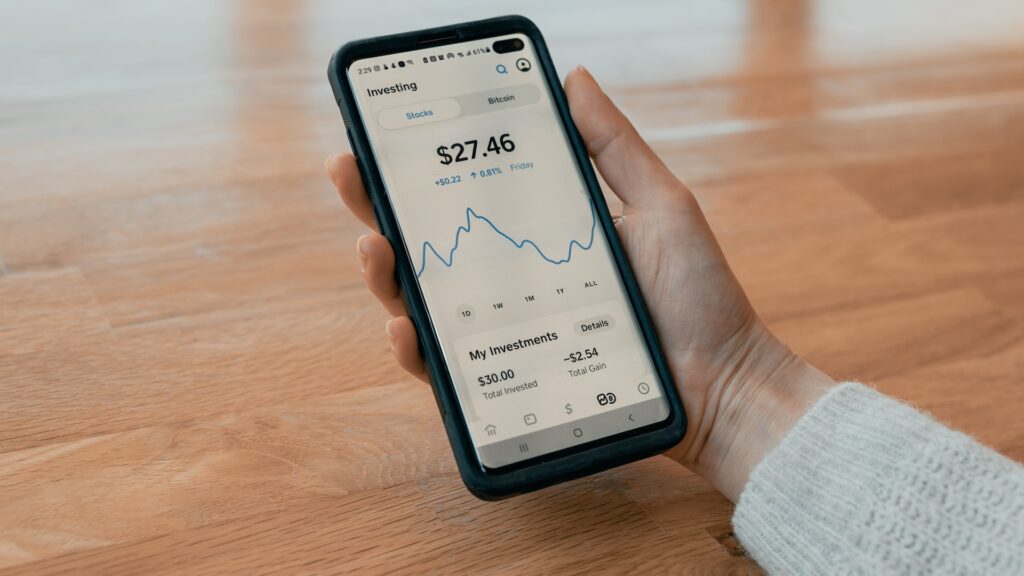
How to Maintain Emotional Discipline While Trading Forex
Emotional discipline is a critical aspect of successful forex trading. The ability to control emotions such as fear, greed, and impatience can significantly impact trading decisions. In this blog post, we will explore effective strategies to maintain emotional discipline while trading forex.
Section 1: Understanding the Impact of Emotions
Emotions can cloud judgment and lead to irrational decision-making, which can be detrimental in forex trading. Recognizing the impact of emotions is the first step towards maintaining emotional discipline.
Section 2: Develop a Trading Plan
Having a well-defined trading plan is crucial for maintaining emotional discipline. A trading plan outlines specific entry and exit strategies, risk management rules, and profit targets. By following a plan, traders can reduce the influence of emotions and stick to a predetermined strategy.
Section 2.1: Set Realistic Expectations
Setting realistic expectations is an essential part of a trading plan. Understanding that losses are inevitable and that not every trade will be profitable helps manage emotions and prevent impulsive decision-making.
Section 2.2: Define Risk Tolerance
Identifying and defining risk tolerance levels in the trading plan is crucial. It helps traders determine the maximum acceptable loss for each trade, ensuring they do not let emotions drive them to take excessive risks.
Section 3: Use Stop Loss Orders
Stop loss orders are an effective risk management tool that can help maintain emotional discipline. By setting stop loss levels, traders can automatically exit a trade when it reaches a predetermined loss threshold. This eliminates the need for emotional decision-making in the heat of the moment.
Section 4: Practice Patience and Discipline
Patience and discipline are key virtues in forex trading. Avoiding impulsive trades and waiting for high-probability setups can help traders avoid unnecessary losses caused by emotional decision-making. Sticking to the trading plan and avoiding emotional deviations is crucial for long-term success.
Section 5: Maintain a Trading Journal
Keeping a trading journal can be a helpful tool for maintaining emotional discipline. Traders can record their trades, including entry and exit points, reasons for taking the trade, and emotions felt during the process. Reviewing the journal regularly can help identify patterns of emotional behavior and make necessary adjustments.
Section 6: Utilize Risk Management Techniques
Implementing sound risk management techniques is vital for maintaining emotional discipline. Traders should avoid risking a significant portion of their trading capital on a single trade and use position sizing techniques that align with their risk tolerance. This helps prevent emotional distress caused by large losses.
Section 7: Take Breaks and Manage Stress
Forex trading can be mentally demanding, and prolonged periods of intense focus can lead to emotional exhaustion. Taking regular breaks and managing stress through relaxation techniques, exercise, and maintaining a healthy work-life balance can help traders maintain emotional discipline.
Section 8: Seek Support and Education
Seeking support from fellow traders or joining trading communities can provide valuable insights and emotional support. Additionally, continuing education in forex trading can enhance knowledge and skills, boosting confidence and reducing emotional vulnerability.
Section 9: Conclusion
Maintaining emotional discipline is crucial for forex traders to make rational decisions and avoid impulsive actions driven by emotions. By understanding the impact of emotions, developing a trading plan, utilizing risk management techniques, and practicing patience and discipline, traders can enhance their chances of consistent success in the forex market. Remember, emotional discipline is a skill that can be cultivated through practice and self-awareness.