What to Consider When Making Your First Forex Trade
Embarking on your first forex trade can be an exciting but nerve-wracking experience. To increase your chances of success and minimize potential risks, it’s important to consider several factors before placing your first trade. In this blog post, we will discuss key considerations that every novice forex trader should keep in mind. Let’s dive in!
Section 1: Understanding Forex Market Basics
Before making your first forex trade, it’s crucial to have a solid understanding of the basics of the forex market. Familiarize yourself with concepts such as currency pairs, exchange rates, bid/ask prices, and market volatility. Additionally, learn about fundamental and technical analysis techniques that can help inform your trading decisions.
Section 2: Setting Realistic Expectations
Forex trading is not a get-rich-quick scheme, and it’s important to set realistic expectations from the start. Understand that trading involves both profits and losses, and it may take time to develop the skills and experience necessary to consistently make profitable trades. Avoid falling for promises of guaranteed returns or strategies that claim to beat the market consistently.
Section 3: Developing a Trading Plan
A well-defined trading plan is essential for successful forex trading. Consider the following aspects when developing your trading plan:
Subsection 3.1: Define Your Goals and Risk Tolerance
Clearly define your trading goals, whether they are short-term or long-term. Additionally, assess your risk tolerance level, as this will influence the types of trades you take and the position sizes you choose.
Subsection 3.2: Choose a Trading Strategy
Select a trading strategy that aligns with your goals and risk tolerance. There are various strategies to choose from, including trend following, breakout trading, and range trading. Study and practice your chosen strategy to gain confidence in its effectiveness.
Subsection 3.3: Money Management
Develop a money management plan that outlines how much capital you are willing to risk on each trade, as well as guidelines for setting stop-loss and take-profit levels. Money management is crucial for protecting your trading capital and ensuring long-term profitability.
Section 4: Choosing the Right Trading Platform and Broker
When making your first forex trade, selecting a reliable trading platform and broker is vital. Consider the following factors:
Subsection 4.1: Regulation and Security
Choose a broker that is regulated by a reputable financial authority. Regulation provides a level of protection for your funds and ensures that the broker operates in a fair and transparent manner.
Subsection 4.2: Trading Platform Features
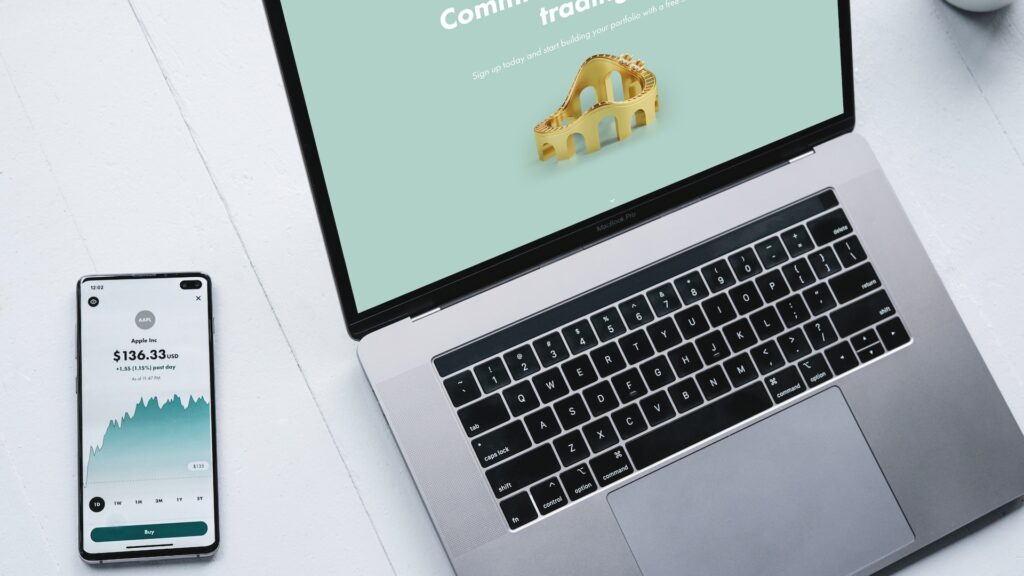
Evaluate the features and functionality offered by the trading platform. Look for a user-friendly interface, access to real-time market data, charting tools, and order execution capabilities. A good trading platform can enhance your trading experience.
Subsection 4.3: Customer Support
Consider the quality and availability of customer support provided by the broker. In case you encounter any issues or have questions, it’s important to have reliable support that can assist you in a timely manner.
Section 5: Educating Yourself and Practicing
Forex trading is a continuous learning process. Educate yourself by reading books, attending webinars, and following reputable trading blogs. Additionally, consider opening a demo trading account to practice your trading strategies and familiarize yourself with the trading platform before risking real money.
Section 6: Conclusion
Making your first forex trade can be both exciting and challenging. By understanding the basics of the forex market, setting realistic expectations, developing a trading plan, choosing the right trading platform and broker, and continuously educating yourself, you can increase your chances of success as a forex trader. Remember to approach trading with discipline, patience, and a long-term perspective.