Steps to Pick a US Regulated Forex Broker
Choosing the right forex broker is crucial for any trader, especially when it comes to trading in the US. With a plethora of options available, it’s essential to select a broker that is reputable, reliable, and regulated by the appropriate authorities. In this blog post, we will outline the steps to help you pick a US regulated forex broker that suits your trading needs. Let’s get started!
Section 1: Researching Forex Brokers
Subsection 1.1: Understanding Regulatory Bodies
Before diving into the selection process, it’s important to understand the regulatory bodies overseeing forex brokers in the US. The primary regulatory authority is the Commodity Futures Trading Commission (CFTC), which ensures the integrity of the forex market and protects traders from fraudulent activities. Additionally, the National Futures Association (NFA) acts as a self-regulatory organization that sets rules and standards for forex brokers.
Subsection 1.2: Assessing Broker Reputation
Researching and assessing the reputation of forex brokers is crucial. Look for brokers with a solid track record, positive reviews, and a strong presence in the industry. Consider factors such as the broker’s years of operation, client base, and any notable achievements or awards. Reputation is an important indicator of a broker’s reliability and trustworthiness.
Section 2: Evaluating Broker Regulation
Subsection 2.1: Checking CFTC and NFA Registration
Ensure that the forex broker you are considering is registered with both the CFTC and NFA. This information is typically available on the broker’s website or through the regulatory authorities’ online databases. Registration with these authorities ensures that the broker complies with the necessary regulations and provides a level of protection for traders.
Subsection 2.2: Verifying Compliance with Regulatory Requirements
Verify if the broker complies with regulatory requirements, such as maintaining segregated client funds, providing transparent pricing, and implementing risk management measures. These requirements are designed to protect traders’ interests and ensure fair and ethical trading practices. Look for information on the broker’s website or contact their customer support for clarification.
Section 3: Assessing Trading Conditions
Subsection 3.1: Account Types and Minimum Deposits
Consider the different account types offered by the broker and their corresponding minimum deposit requirements. Different account types cater to different trading needs, such as standard accounts for retail traders or institutional accounts for professional traders. Assess your trading goals and choose a broker that offers account types suitable for your requirements.
Subsection 3.2: Trading Platforms and Tools
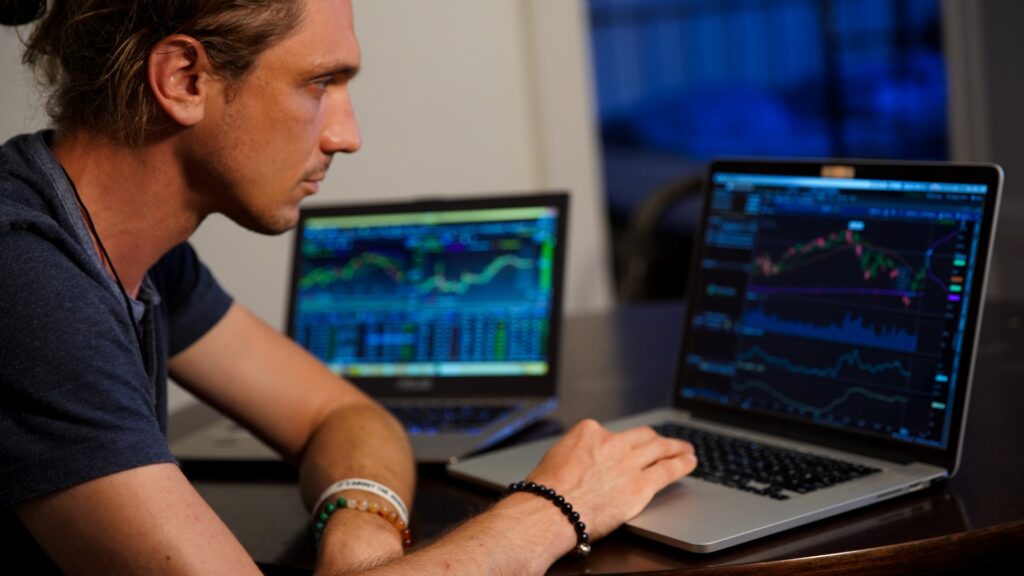
Evaluate the trading platforms and tools provided by the broker. A user-friendly and robust trading platform is essential for executing trades efficiently. Look for platforms that offer advanced charting tools, real-time market data, and order execution capabilities. Demo accounts and mobile trading options are also valuable features to consider.
Section 4: Considering Customer Support
Subsection 4.1: Availability and Responsiveness
Customer support is a crucial aspect of any forex broker. Evaluate the availability and responsiveness of their customer support team. Look for brokers that offer multiple channels of communication, such as phone, email, and live chat. Prompt and knowledgeable customer support can be invaluable when you encounter trading issues or have questions.
Subsection 4.2: Educational Resources and Training
Consider if the broker provides educational resources and training materials for traders. These resources can include trading guides, webinars, video tutorials, and market analysis. Brokers that invest in trader education demonstrate their commitment to helping traders succeed and can be a valuable resource for enhancing your trading skills.
Section 5: Conclusion
Picking a US regulated forex broker requires thorough research and evaluation. By understanding the regulatory landscape, assessing broker reputation, verifying compliance with regulatory requirements, evaluating trading conditions, and considering customer support, you can make an informed decision. Remember, choosing a reputable and regulated broker is essential for a safe and secure trading experience in the US forex market.