Essential Forex Trading Tools and Indicators
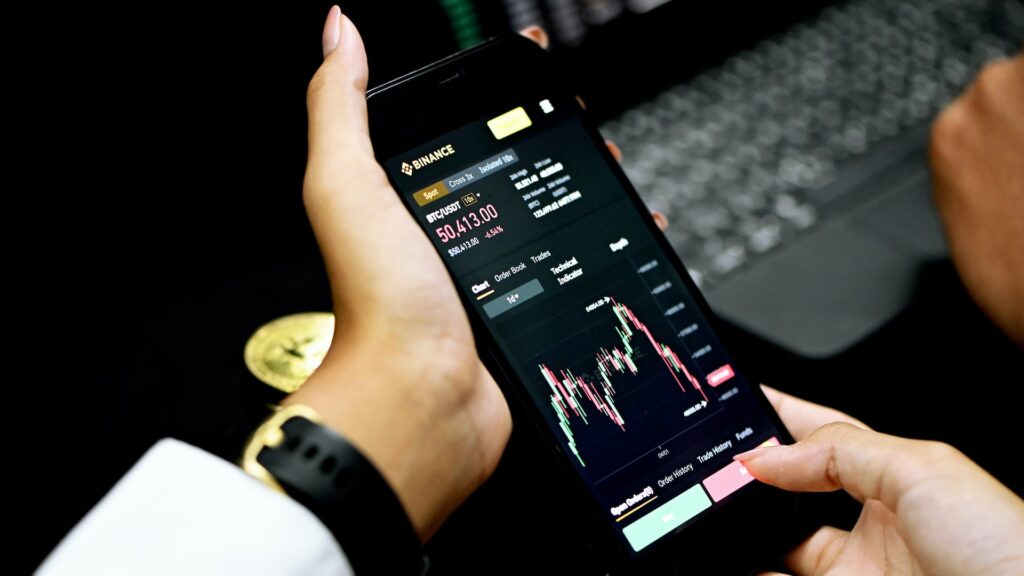
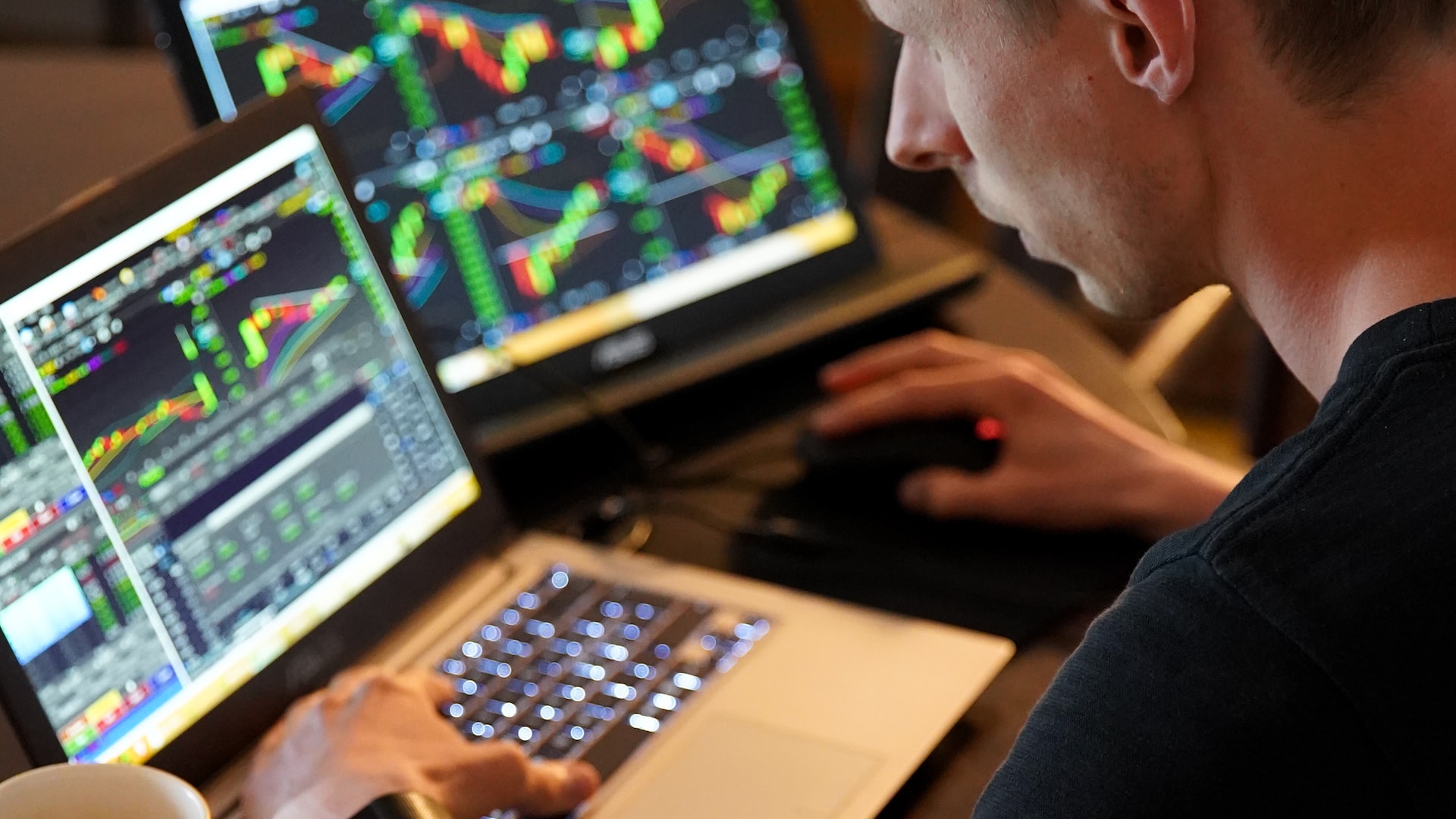
Forex trading can be complex, but with the right tools and indicators, traders can gain valuable insights and make informed trading decisions. In this blog post, we will explore some essential tools and indicators that can enhance your forex trading experience. From charting platforms to technical analysis indicators, these resources can help you analyze market trends, identify potential entry and exit points, and effectively manage risk.
Section 1: Charting Platforms
1.1 MetaTrader
MetaTrader is one of the most popular charting platforms among forex traders. It offers a user-friendly interface, advanced charting tools, and a wide range of technical indicators. MetaTrader also allows traders to develop and backtest their own trading strategies using its built-in programming language, MetaQuotes Language 4 (MQL4).
1.2 TradingView
TradingView is a web-based charting platform that provides real-time market data, customizable charts, and a vast library of technical indicators. It offers a social community where traders can share ideas, collaborate, and access a wide range of user-generated indicators and trading strategies. TradingView is accessible from any device with an internet connection, making it convenient for traders on the go.
Section 2: Technical Analysis Indicators
2.1 Moving Averages
Moving averages are widely used indicators that help identify trends and potential entry and exit points. They calculate the average price of a currency pair over a specific period, smoothing out price fluctuations. The two main types of moving averages are the simple moving average (SMA) and the exponential moving average (EMA).
2.2 Relative Strength Index (RSI)
The Relative Strength Index (RSI) is a momentum oscillator that measures the speed and change of price movements. It oscillates between 0 and 100 and is used to identify overbought and oversold conditions in the market. Traders often use RSI to confirm potential trend reversals or to generate buy and sell signals.
2.3 Bollinger Bands
Bollinger Bands consist of a middle band, which is a simple moving average, and an upper and lower band that represent the standard deviation of price movements. Bollinger Bands help traders identify volatility and potential price breakouts. When the price approaches the upper band, it may indicate overbought conditions, while prices near the lower band could suggest oversold conditions.
2.4 Fibonacci Retracement
Fibonacci retracement is a technical analysis tool that uses horizontal lines to indicate potential support and resistance levels. Traders use Fibonacci retracement levels to identify areas where the price may reverse or continue its existing trend. The main Fibonacci levels are 23.6%, 38.2%, 50%, 61.8%, and 78.6%.
Section 3: Economic Calendars
3.1 Forex Factory
Forex Factory is a popular website that provides an economic calendar featuring upcoming economic events, news releases, and indicators that can impact currency markets. Traders use this tool to stay informed about important events and plan their trading strategies accordingly. The economic calendar also displays the expected impact of each event on the market, helping traders assess potential market volatility.
3.2 Investing.com
Investing.com offers an extensive economic calendar that covers a wide range of financial markets, including forex. Traders can filter events based on their importance, country, and time period. The calendar provides real-time updates, historical data, and forecasts, allowing traders to analyze the potential impact of economic events on currency pairs.
Conclusion
Having access to the right tools and indicators is crucial for successful forex trading. Charting platforms like MetaTrader and TradingView provide advanced technical analysis tools and customizable charts. Technical indicators such as moving averages, RSI, Bollinger Bands, and Fibonacci retracement help traders analyze market trends and identify potential entry and exit points. Economic calendars like Forex Factory and Investing.com keep traders informed about upcoming events and their potential impact on currency markets. By utilizing these essential tools and indicators, traders can improve their decision-making process and enhance their overall trading performance.