Identifying Potential Risks in Forex Trading
Forex trading can be highly rewarding, but it also carries inherent risks. To become a successful forex trader, it is essential to identify and understand the potential risks involved. In this blog post, we will explore some key areas to consider when identifying potential risks in forex trading.
Section 1: Market Volatility
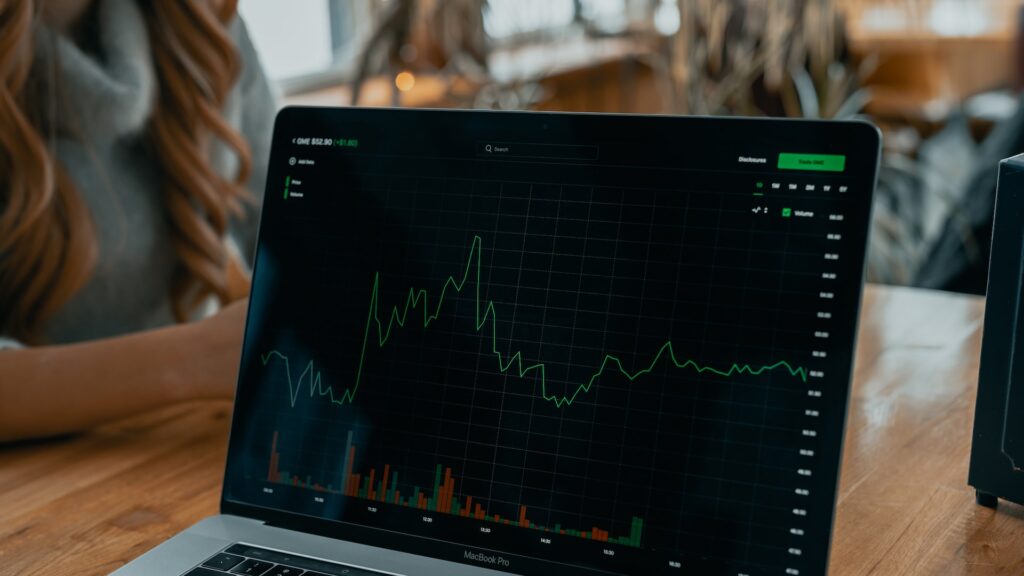
Market volatility is one of the primary risks in forex trading. It refers to the rapid and significant price fluctuations that can occur in the currency markets. High volatility can lead to increased uncertainty and potential losses for traders.
Subsection 1.1: Economic Events
Economic events such as interest rate decisions, GDP releases, and geopolitical developments can significantly impact currency prices. Traders should stay informed about upcoming economic events and their potential impact on the forex market to anticipate and manage potential risks.
Section 2: Leverage and Margin
Leverage allows traders to control larger positions with a smaller amount of capital. While leverage can amplify profits, it also magnifies losses. Understanding and managing leverage and margin requirements is crucial to avoid excessive risk-taking.
Subsection 2.1: Margin Calls
Margin calls occur when a trader’s account balance falls below the required margin level. This can happen if trades move against the trader, resulting in potential losses. Traders should carefully monitor their account balance, available margin, and margin requirements to avoid margin calls and potential liquidation of positions.
Section 3: Lack of Knowledge and Experience
Lack of knowledge and experience can be a significant risk factor in forex trading. It is essential for traders to have a solid understanding of fundamental and technical analysis, as well as the ability to interpret market trends and indicators.
Subsection 3.1: Education and Training
Continuous education and training are crucial to mitigate the risk associated with lack of knowledge and experience. Traders should invest time in learning about forex trading strategies, risk management techniques, and market dynamics. Participating in online courses, webinars, and demo trading can help develop the necessary skills and expertise.
Section 4: Counterparty Risk
Counterparty risk refers to the risk of the other party in a trade defaulting on their obligations. In forex trading, counterparty risk can arise when trading with brokers or other market participants.
Subsection 4.1: Choosing a Reliable Broker
To mitigate counterparty risk, it is crucial to choose a reputable and reliable forex broker. Traders should consider factors such as regulatory compliance, financial stability, and client reviews when selecting a broker. Performing due diligence before opening an account can help minimize the potential risks associated with counterparty default.
Section 5: Emotional Decision-Making
Emotional decision-making can lead to irrational trading decisions and increased risk exposure. Fear, greed, and impatience are common emotions that can cloud judgment and negatively impact trading performance.
Subsection 5.1: Developing a Trading Plan
Having a well-defined trading plan is essential to reduce emotional decision-making. A trading plan should include entry and exit criteria, risk management strategies, and clear guidelines for trade execution. Following a trading plan helps traders stick to their strategies and avoid impulsive decisions driven by emotions.
Section 6: Conclusion
Identifying potential risks in forex trading is crucial for successful and sustainable trading. By understanding market volatility, managing leverage and margin, continuously educating oneself, mitigating counterparty risk, and avoiding emotional decision-making, traders can increase their chances of success in the forex market. Remember, risk management is an ongoing process that requires discipline, knowledge, and a proactive approach to protect capital and achieve long-term profitability.