What Impact Does Insider Trading Have on the Forex Market?
The forex market, also known as the foreign exchange market, is a decentralized global market where currencies are traded. Insider trading, however, can have a significant impact on the integrity and fairness of this market. In this blog post, we will explore the effects of insider trading on the forex market, including its consequences for market participants and the overall market dynamics.
Section 1: Understanding Insider Trading
1.1 Definition of Insider Trading
Insider trading refers to the buying or selling of securities, including currencies, based on material non-public information about the financial instruments. In the forex market, insider trading involves individuals or entities using confidential information to gain an unfair advantage in their trading activities.
Section 2: Impact on Market Integrity
2.1 Uneven Playing Field
Insider trading creates an uneven playing field in the forex market. When individuals or entities have access to privileged information, they can make trading decisions based on this information before it becomes public knowledge. This gives them an unfair advantage over other market participants who do not have access to the same information.
2.2 Erosion of Investor Confidence
Insider trading undermines investor confidence in the forex market. When investors perceive that the market is manipulated and not based on fair competition, they may become hesitant to participate or may be more cautious in their trading activities. This can lead to a decrease in liquidity and overall market efficiency.
2.3 Distorted Price Movements
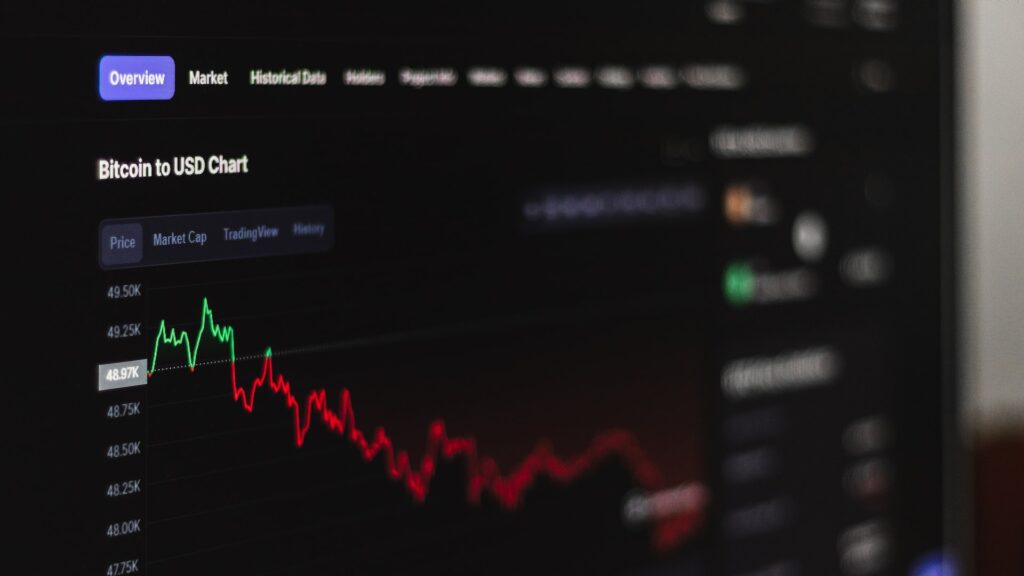
Insider trading can distort price movements in the forex market. When individuals with privileged information trade based on that information, it can cause sudden and unexpected price fluctuations. These price movements may not be reflective of the true market fundamentals, leading to potential losses for uninformed traders and investors.
Section 3: Consequences for Market Participants
3.1 Diminished Fairness
Insider trading diminishes the fairness of the forex market. Market participants who do not have access to insider information may feel that they are at a disadvantage and that the market is rigged against them. This can lead to a loss of trust and reduced participation in the market.
3.2 Legal and Reputational Risks
Engaging in insider trading exposes individuals to significant legal and reputational risks. Regulatory bodies actively monitor and investigate suspicious trading activities to maintain market integrity. Individuals found guilty of insider trading can face severe penalties, including fines, imprisonment, and damage to their professional reputation.
Section 4: Combating Insider Trading
4.1 Regulatory Measures
Regulatory bodies have implemented measures to combat insider trading in the forex market. These measures include surveillance and monitoring systems to identify suspicious trading activities, education and awareness programs to deter illegal activities, and enforcement actions to prosecute offenders.
4.2 Enhanced Transparency
Enhancing transparency in the forex market can help combat insider trading. By ensuring that market information is disseminated in a fair and timely manner, market participants can make informed trading decisions based on publicly available information, reducing the potential for insider trading.
Conclusion
Insider trading has a detrimental impact on the forex market, undermining market integrity, eroding investor confidence, and distorting price movements. It creates an uneven playing field and diminishes the fairness of the market. Market participants who engage in insider trading expose themselves to legal and reputational risks. Regulatory measures and enhanced transparency can help combat insider trading and maintain a fair and trusted forex market environment.