What Are Some Expert Predictions for Future Forex Trends?
As the forex market continues to evolve, experts closely analyze various factors to predict future trends. These predictions are based on a combination of fundamental analysis, technical analysis, and market insights. In this blog post, we will explore some expert predictions for future forex trends that traders should consider when developing their trading strategies.
Section 1: Global Economic Outlook
The global economic outlook plays a crucial role in shaping forex trends. Expert predictions take into account factors such as GDP growth, inflation rates, central bank policies, and geopolitical events. Based on current economic indicators and forecasts, experts make predictions about the strength or weakness of different currencies and their potential impact on forex markets.
Subsection 1.1: US Dollar Dominance
Many experts predict that the US dollar will continue to maintain its dominance in the forex market. Factors such as the US Federal Reserve’s monetary policy, economic recovery, and the status of the US as a safe-haven currency influence this prediction. However, the extent of the dollar’s dominance may vary depending on factors such as global economic stability, trade relations, and geopolitical developments.
Subsection 1.2: Emerging Market Currencies
Experts also predict that emerging market currencies will gain prominence in the forex market. As economies in emerging markets continue to grow and become more interconnected, their currencies may strengthen against major currencies. Factors such as economic reforms, political stability, and trade relations influence the performance of these currencies. Traders should monitor developments in emerging markets and consider them in their trading strategies.
Section 2: Technological Advancements and Digital Currencies
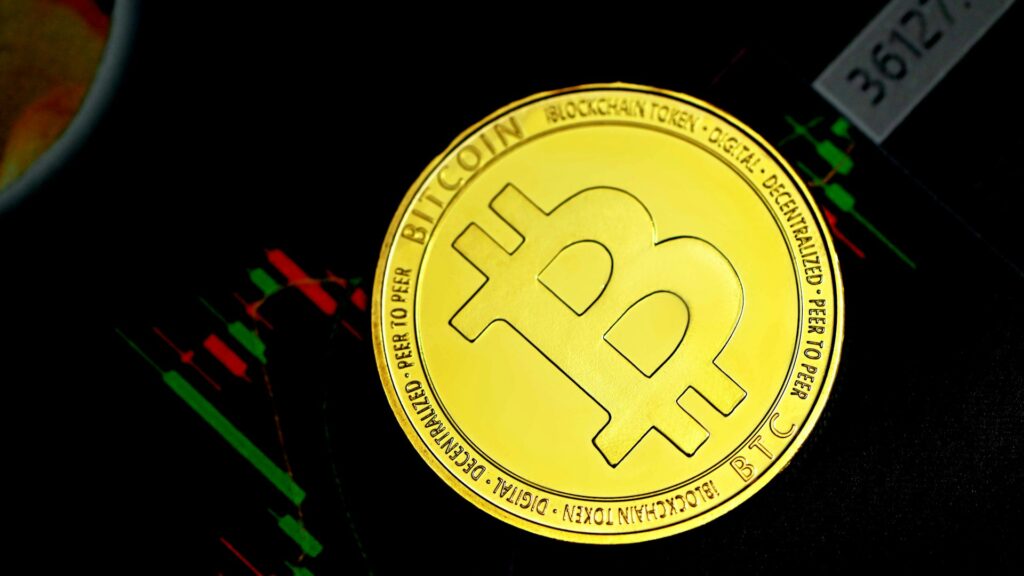
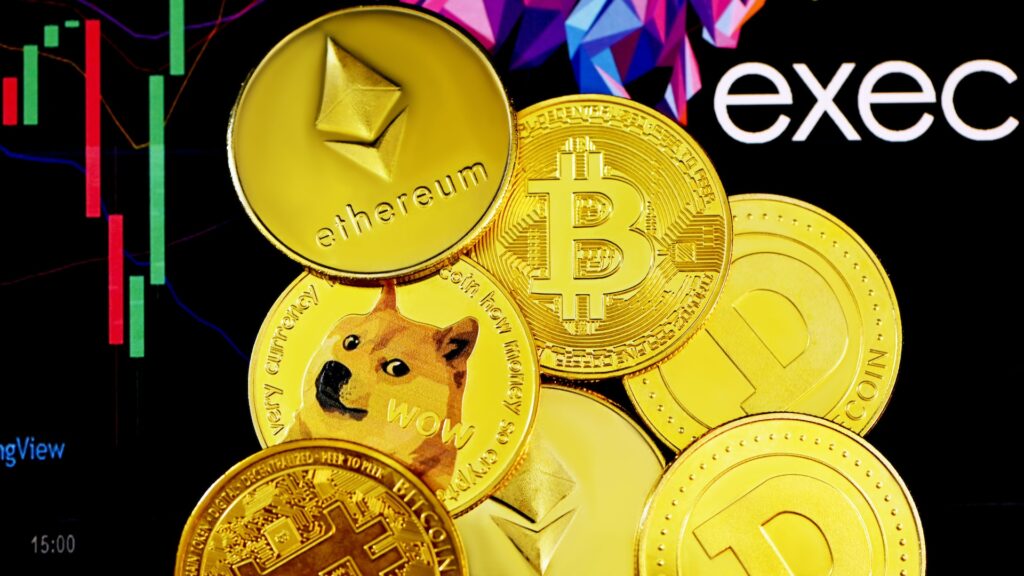
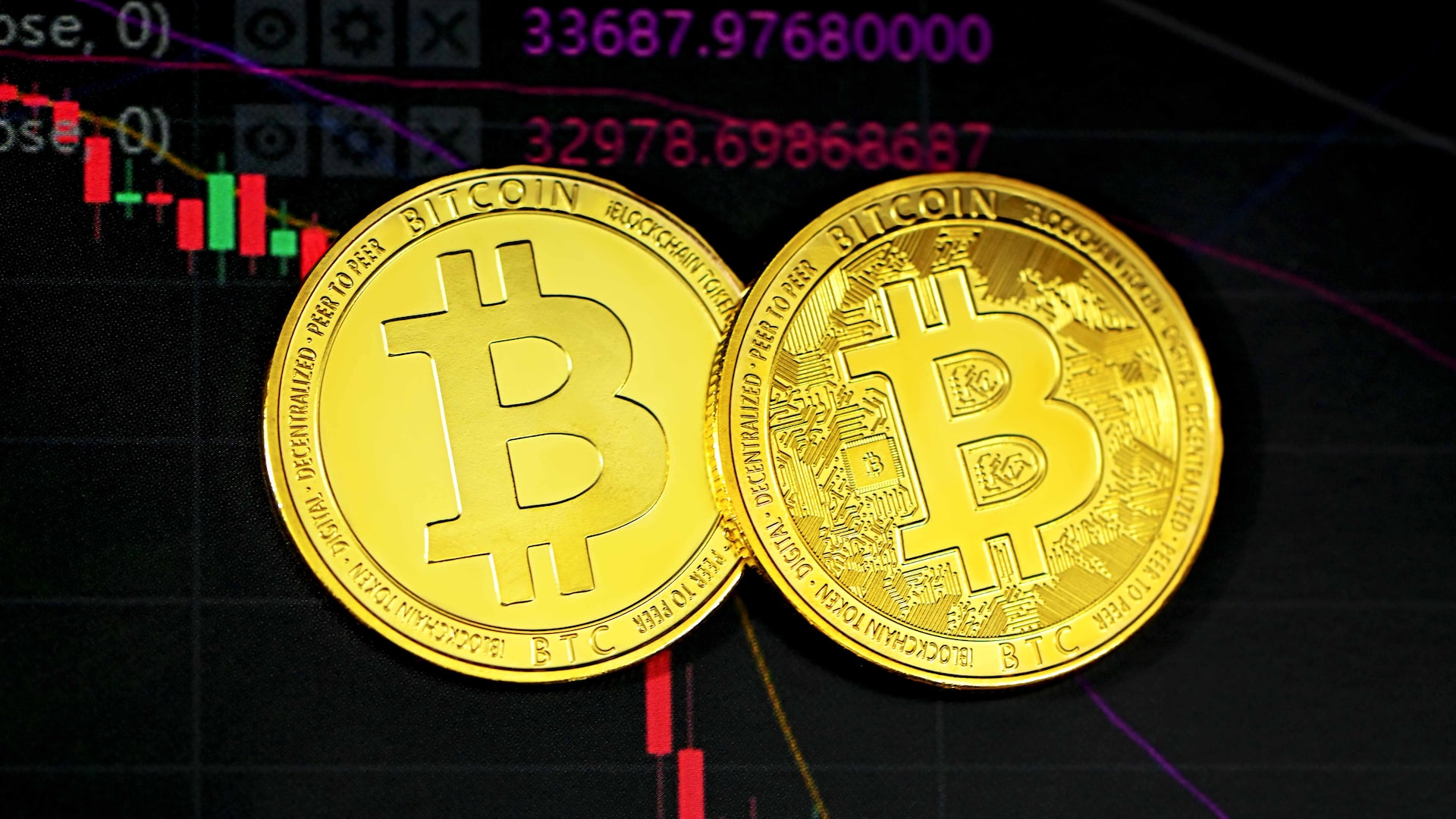
Technological advancements and the rise of digital currencies are expected to impact future forex trends. Experts predict that digital currencies, such as Bitcoin and other cryptocurrencies, will continue to gain acceptance and influence the forex market. The integration of blockchain technology and the development of central bank digital currencies (CBDCs) may also shape forex trends in the coming years.
Subsection 2.1: Blockchain Technology
Blockchain technology is expected to have a significant impact on forex trends. Its decentralized nature, transparency, and security features can revolutionize the way forex transactions are conducted. Experts predict that the adoption of blockchain technology in the forex market may lead to faster and more efficient cross-border transactions, reduced costs, and increased transparency.
Subsection 2.2: Central Bank Digital Currencies (CBDCs)
The development and implementation of CBDCs by central banks may also influence future forex trends. Experts predict that CBDCs could change the dynamics of currency exchange rates and international transactions. The introduction of CBDCs may lead to increased efficiency, reduced reliance on intermediaries, and potential changes in monetary policies, all of which can impact forex markets.
Section 3: Geopolitical Events and Trade Relations
Geopolitical events and changes in trade relations have a significant impact on forex trends. Experts closely monitor developments such as trade agreements, political conflicts, and policy changes to predict future forex trends. Factors such as Brexit, US-China trade relations, and regional conflicts can create volatility and influence currency valuations.
Section 4: Conclusion
Expert predictions for future forex trends provide valuable insights for traders. By considering factors such as the global economic outlook, technological advancements, geopolitical events, and trade relations, traders can make informed decisions when developing their trading strategies. However, it’s important to remember that forex markets are highly unpredictable, and traders should exercise caution, conduct thorough analysis, and use risk management techniques to navigate the ever-changing landscape of forex trading.