

Introduction
Choosing the right forex broker is crucial for successful trading in the foreign exchange market. With numerous options available, it’s important to consider several factors before making a decision. In this article, we will discuss key factors that you should consider when choosing a forex broker.
1. Regulation and Security
Definition: Regulation refers to the oversight and monitoring of forex brokers by financial authorities to ensure fair practices and protect investors’ interests.
Key Points:
- Choose a forex broker regulated by a reputable financial authority
- Verify the broker’s regulatory status and check for any disciplinary actions
- Ensure that your funds will be held in segregated accounts for added security
2. Trading Platform and Tools
Definition: A trading platform is the software provided by the broker that allows you to execute trades and access market information.
Key Points:
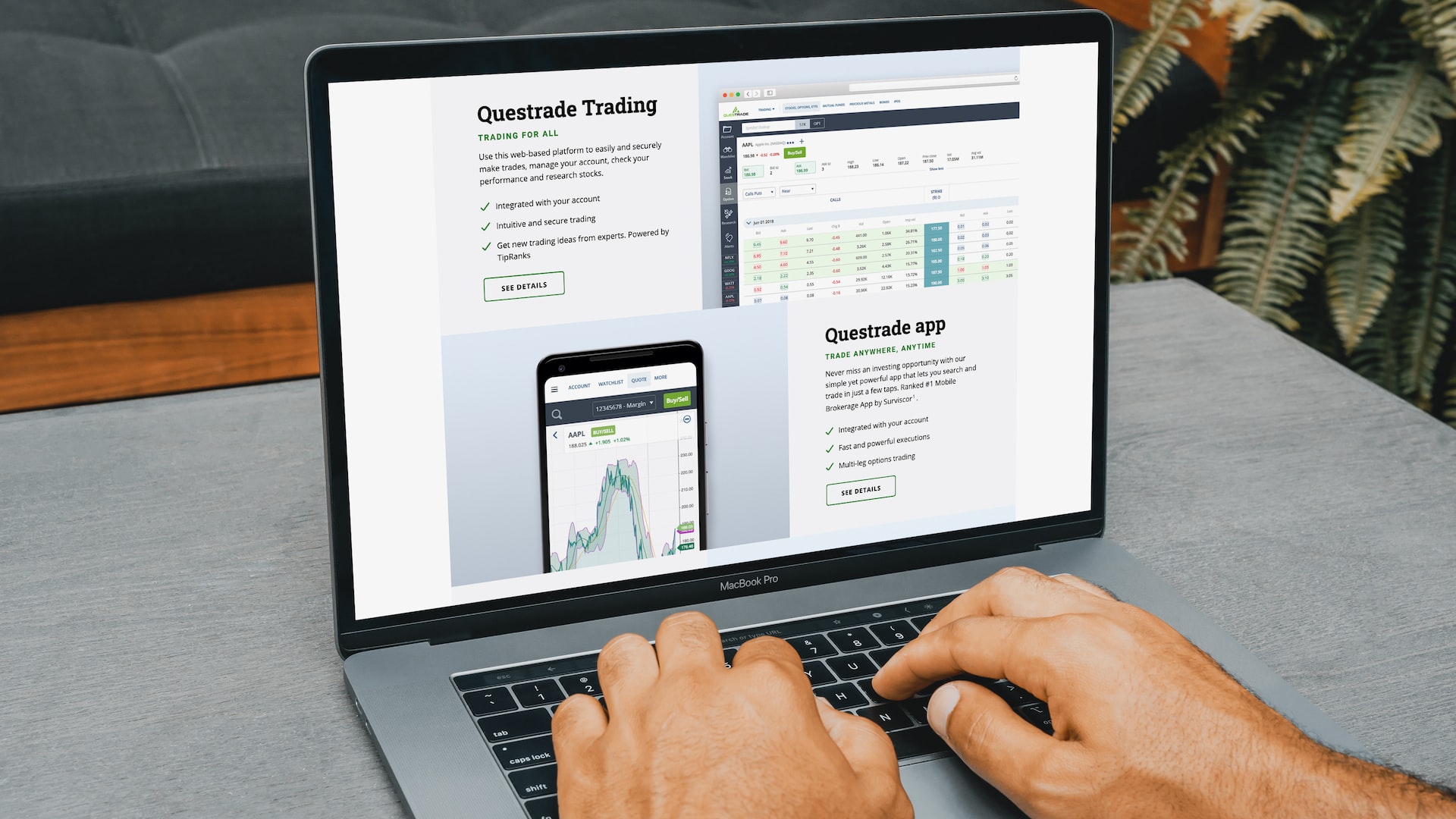
- Evaluate the trading platform for user-friendliness and reliability
- Check if the platform offers advanced charting tools, technical indicators, and other features you require
- Consider if the platform is available on multiple devices and operating systems
3. Range of Tradable Instruments
Definition: Forex brokers provide access to various financial instruments, including currency pairs, commodities, indices, and cryptocurrencies.
Key Points:
- Ensure that the broker offers a wide range of currency pairs and other instruments you are interested in trading
- Consider if the broker provides access to global markets or specific regions
- Check the broker’s policy on leverage and margin requirements
4. Execution Speed and Slippage
Definition: Execution speed refers to how quickly your trade orders are executed, while slippage refers to the difference between the expected price and the actual executed price.
Key Points:
- Look for a broker with fast and reliable trade execution
- Check if the broker offers market or instant execution
- Inquire about the broker’s policy on slippage and how they handle volatile market conditions
5. Customer Support and Education
Definition: Customer support refers to the assistance provided by the broker’s representatives, while education refers to the resources and materials that help traders enhance their knowledge and skills.
Key Points:
- Assess the broker’s customer support channels and response times
- Check if the broker offers educational materials, webinars, or trading guides
- Consider if the broker provides a demo account for practice and testing
Conclusion
Choosing the right forex broker is essential for a smooth and successful trading experience. By considering factors such as regulation and security, trading platform and tools, range of tradable instruments, execution speed and slippage, as well as customer support and education, you can make an informed decision. Remember to thoroughly research and compare different brokers to find the one that best suits your trading needs and preferences.