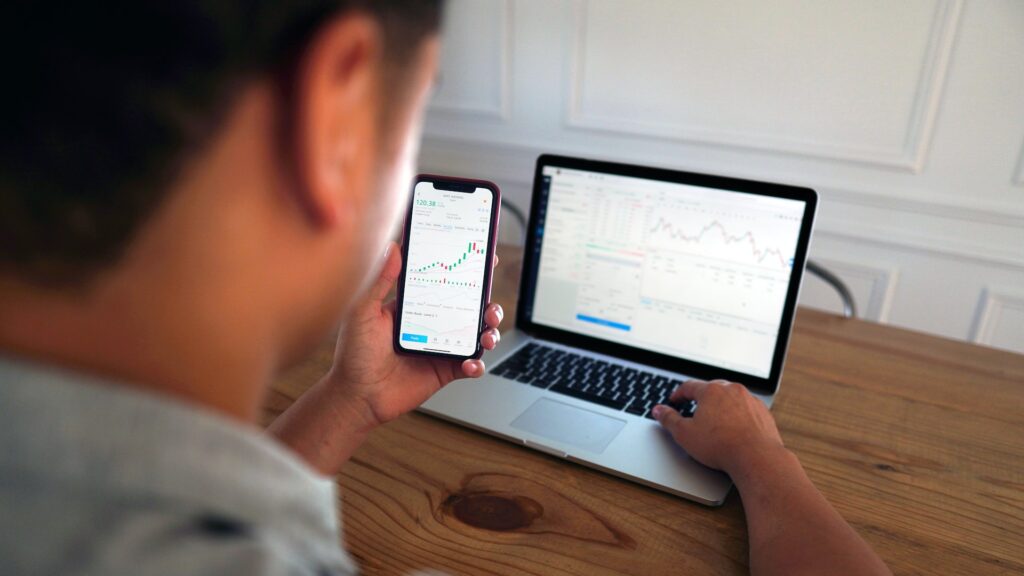
How to Effectively Compare Different Forex Trading Platforms
Comparing different forex trading platforms is essential to find the one that best suits your trading needs and preferences. With numerous platforms available in the market, it can be overwhelming to determine which one offers the features and benefits that align with your goals. This blog post will guide you on how to effectively compare different forex trading platforms.
Section 1: Assessing Platform Features
1.1 User Interface and Navigation
Consider the user interface and navigation of each platform. Look for platforms that provide a clean and intuitive interface, making it easy for you to navigate through different sections and execute trades efficiently. A user-friendly platform can save you time and reduce potential errors during trading.
1.2 Trading Tools and Charting Capabilities
Compare the trading tools and charting capabilities offered by each platform. Robust charting features, technical indicators, and drawing tools can enhance your trading analysis and decision-making process. Look for platforms that provide a wide range of tools to suit your trading strategy and preferences.
Section 2: Market Access and Instrument Availability
2.1 Range of Tradable Instruments
Consider the range of tradable instruments offered by each platform. Look for platforms that provide a wide selection of currency pairs, including major, minor, and exotic pairs. Additionally, assess if the platform offers access to other financial instruments such as commodities, indices, or cryptocurrencies, if you have an interest in diversifying your trading portfolio.
2.2 Market Access and Liquidity
Assess the platform’s market access and liquidity options. Platforms with direct access to global liquidity providers often offer competitive spreads and minimal slippage during volatile market conditions. Look for platforms that provide deep liquidity pools, as they are more likely to offer favorable trading conditions.
Section 3: Regulatory Compliance and Security
3.1 Licensing and Regulation
Prioritize platforms that are licensed and regulated by reputable financial authorities. Regulatory oversight ensures that the platform adheres to industry standards, provides investor protection, and operates transparently. Look for platforms authorized by regulatory bodies such as the Financial Conduct Authority (FCA), the Securities and Exchange Commission (SEC), or the Australian Securities and Investments Commission (ASIC).
3.2 Security Measures
Assess the security measures implemented by each platform. Look for platforms that use encryption protocols to protect your personal and financial information. Verify if the platform offers secure socket layer (SSL) technology for data transmission and secure payment gateways for depositing and withdrawing funds. Account segregation, which keeps client funds separate from the platform’s operational funds, is another important security feature to consider.
Section 4: Customer Support and Education
4.1 Customer Support Availability
Consider the availability and quality of customer support provided by each platform. Look for platforms that offer multiple channels of communication, such as live chat, email, or phone support. Responsive and knowledgeable customer support can be invaluable when you encounter issues or have questions related to your trading activities.
4.2 Educational Resources
Assess the educational resources offered by each platform. Look for platforms that provide comprehensive educational materials, including tutorials, webinars, e-books, and market analysis. A platform that prioritizes trader education demonstrates a commitment to helping users improve their trading skills and knowledge.
Section 5: Costs and Fees
5.1 Spreads and Commissions
Compare the spreads and commissions charged by different platforms. Lower spreads can significantly impact your trading costs, especially if you frequently execute trades with tight profit targets. Take note of any additional fees or commissions for specific services, such as deposit or withdrawal transactions.
5.2 Account Types and Minimum Deposit
Consider the account types offered by each platform and their associated minimum deposit requirements. Some platforms may offer various account tiers with different features and benefits. Ensure that the minimum deposit aligns with your available capital and trading goals.
Section 6: Conclusion
By effectively comparing different forex trading platforms based on platform features, market access and instrument availability, regulatory compliance and security, customer support and education, as well as costs and fees, you can make an informed decision when choosing the right platform for your trading activities. Remember to prioritize your trading preferences and goals, and thoroughly research and demo test different platforms before making a final decision.