Introduction to Forex Trading Platforms
1.1 Definition of Forex Trading Platforms
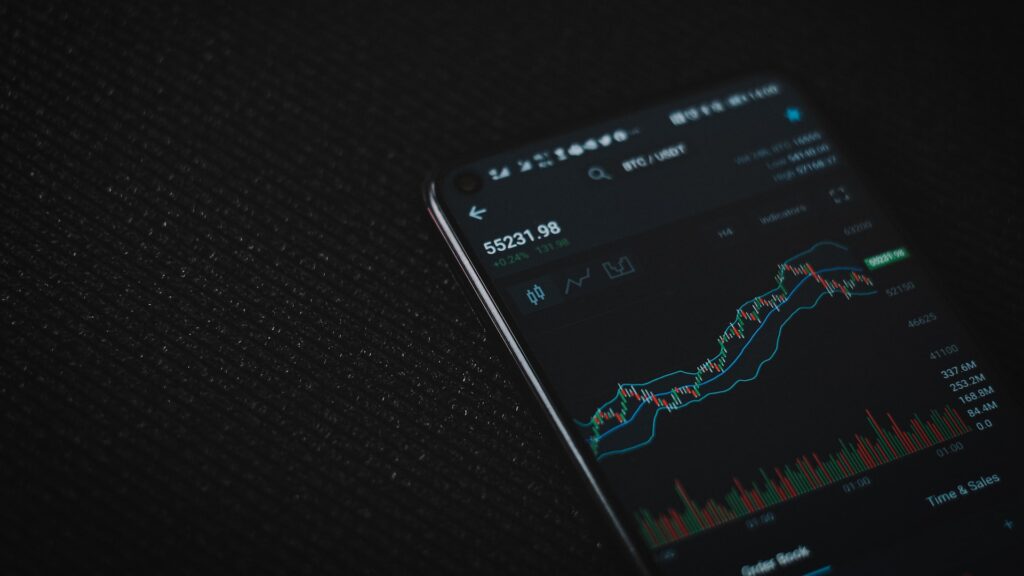
Forex trading platforms are software applications that allow traders to execute trades in the foreign exchange market. These platforms provide access to real-time market data, charting tools, order placement functionalities, and other features necessary for trading currencies online.
1.2 Types of Forex Trading Platforms
There are different types of forex trading platforms available, including desktop-based platforms, web-based platforms, and mobile trading apps. Desktop platforms require installation on a computer, web-based platforms operate directly through a web browser, and mobile apps allow trading on smartphones and tablets.
Section 2: Features and Functionality
2.1 Real-Time Market Data
Forex trading platforms provide traders with access to real-time market data, including currency prices, bid/ask spreads, and trading volumes. This information helps traders make informed decisions and execute trades at the right time.
2.2 Charting Tools
Most forex trading platforms offer charting tools that allow traders to analyze price movements, identify trends, and apply technical indicators. These charts help traders visualize market data and make more accurate predictions about future price movements.
2.3 Order Placement and Execution
Forex trading platforms enable traders to place various types of orders, including market orders, limit orders, stop orders, and more. These platforms also facilitate the execution of trades by connecting traders to liquidity providers or market makers.
Section 3: Advantages of Online Forex Trading Platforms
3.1 Accessibility and Convenience
Online forex trading platforms provide traders with 24/7 access to the forex market from anywhere in the world. Traders can execute trades at their convenience, eliminating the need for a physical trading floor or specific trading hours.
3.2 Demo Accounts for Practice
Many forex trading platforms offer demo accounts that allow traders to practice trading without risking real money. Demo accounts simulate real market conditions, providing a risk-free environment for traders to test strategies and familiarize themselves with the platform’s features.
3.3 Access to Leverage
Forex trading platforms often provide traders with access to leverage, which allows them to control larger positions with a smaller amount of capital. This leverage can amplify both profits and losses, so it is essential for traders to understand and manage their risk accordingly.
Section 4: Choosing the Right Forex Trading Platform
4.1 Considerations for Platform Selection
When choosing a forex trading platform, traders should consider factors such as ease of use, reliability, security, available currency pairs, transaction costs, customer support, and additional features like educational resources or social trading capabilities.
4.2 Demo Testing and Reviews
Before committing real funds, it is advisable for traders to test the platform using a demo account. This allows traders to evaluate the platform’s features, user interface, and overall user experience. Additionally, reading reviews from other traders can provide insights into the platform’s strengths and weaknesses.
Section 5: Conclusion
Online forex trading platforms have democratized access to the foreign exchange market, enabling individuals to participate in currency trading from anywhere at any time. These platforms offer a range of features and functionalities that assist traders in executing trades, analyzing market data, and managing their positions. By choosing the right forex trading platform and staying informed about its features and capabilities, traders can enhance their trading experience and potentially improve their profitability.