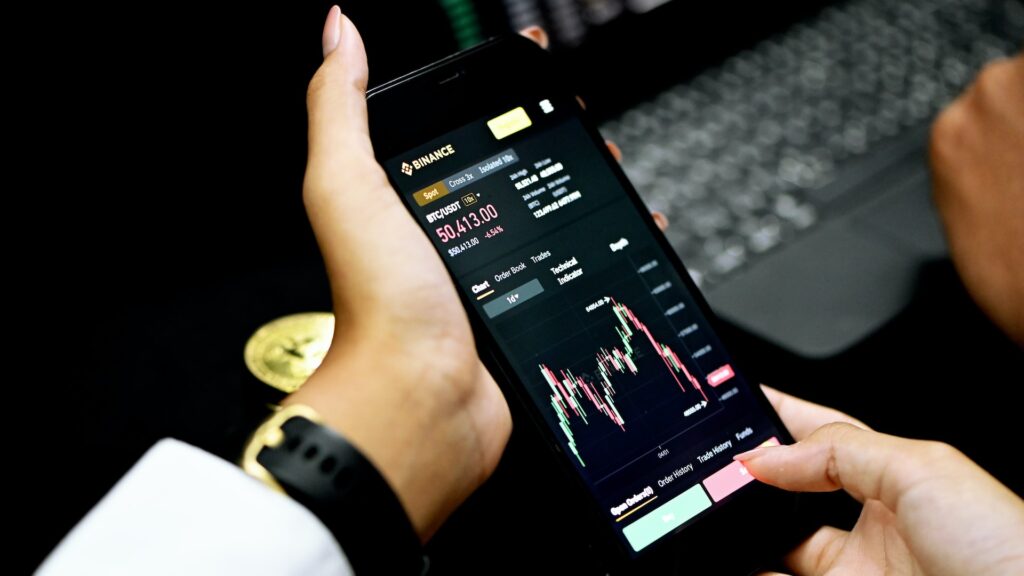
Introduction to Leverage
Subsection 1.1: What is Leverage?
Leverage, in the context of forex trading, allows traders to control a larger position in the market with a relatively smaller amount of capital. It is a loan provided by the broker to the trader, enabling them to amplify their trading positions and potential returns. Leverage is typically expressed as a ratio, such as 1:50 or 1:100, indicating the amount of leverage provided by the broker.
Section 2: Amplifying Trading Positions
Subsection 2.1: Increased Exposure to the Market
One of the key ways leverage can potentially increase profits in forex trading is by allowing traders to take larger positions in the market. With leverage, traders can control a more substantial amount of currency than their account balance would typically allow. This increased exposure to the market provides the opportunity to generate higher profits if the trade moves in the desired direction.
Subsection 2.2: Magnifying Profit Potential
Leverage has the potential to magnify profit potential in forex trading. By controlling larger positions, traders can benefit from even small price movements in the market. If the trade goes in the trader’s favor, the amplified position can result in higher profits compared to trading without leverage.
Section 3: Capital Efficiency
Subsection 3.1: Using Less Capital
Another advantage of using leverage is that it allows traders to use less capital to enter larger trades. Instead of tying up a significant amount of capital to open a position, traders can allocate a smaller portion of their account balance while still controlling a larger position. This capital efficiency enables traders to diversify their trading strategies and potentially take advantage of more trading opportunities.
Subsection 3.2: Enhanced Return on Investment
Using leverage can potentially enhance the return on investment (ROI) in forex trading. With a smaller capital investment, traders have the potential to generate higher returns if the trade is successful. The ability to amplify profits while using less capital can result in a more significant ROI compared to trading without leverage.
Section 4: Risk Considerations
Subsection 4.1: Increased Exposure to Losses
While leverage can potentially increase profits, it is essential to consider the associated risks. One of the main risks of using leverage is the increased exposure to losses. Since leverage amplifies trading positions, it also magnifies potential losses. Traders must carefully manage their risk and use appropriate risk management strategies when employing leverage in their trading activities.
Subsection 4.2: Margin Calls and Account Liquidation
Using leverage involves the concept of margin, which is the collateral required to maintain open positions. If the market moves against a leveraged position, losses can quickly deplete the margin, leading to a margin call from the broker. Failure to meet the margin requirements can result in the broker liquidating the trader’s account. Traders must be vigilant in monitoring their positions and managing margin requirements to avoid margin calls and account liquidation.
Section 5: Conclusion
Leverage in forex trading has the potential to increase profits by amplifying trading positions, magnifying profit potential, and providing capital efficiency. However, traders should approach leverage with caution, considering the associated risks and implementing appropriate risk management strategies. By understanding how leverage works and its potential benefits and risks, traders can make informed decisions and harness the power of leverage to potentially enhance their profits in forex trading.