How can I simplify my Forex tax filing process?
Filing taxes for forex trading can be a complex and time-consuming process. However, there are several strategies you can employ to simplify your forex tax filing. In this blog post, we will explore some practical tips to streamline your tax filing process and make it more manageable.
Section 1: Maintain Accurate and Organized Records
Maintaining accurate and organized records is crucial for simplifying your forex tax filing process. Keep detailed records of all your trading activities, including transaction dates, amounts, currency pairs, and profits or losses. Use a spreadsheet or specialized software to track your trades and generate reports. By having all the necessary information readily available, you can save time and avoid potential errors during tax filing.
Section 2: Separate Personal and Business Expenses
Separating personal and business expenses is essential for efficient tax filing. Open a separate bank account and credit card specifically for your forex trading activities. This will help you keep track of your trading-related expenses and make it easier to identify deductible expenses during tax filing. By clearly distinguishing between personal and business expenses, you can simplify the process and avoid potential audit triggers.
Section 3: Utilize Accounting Software or Tax Tools
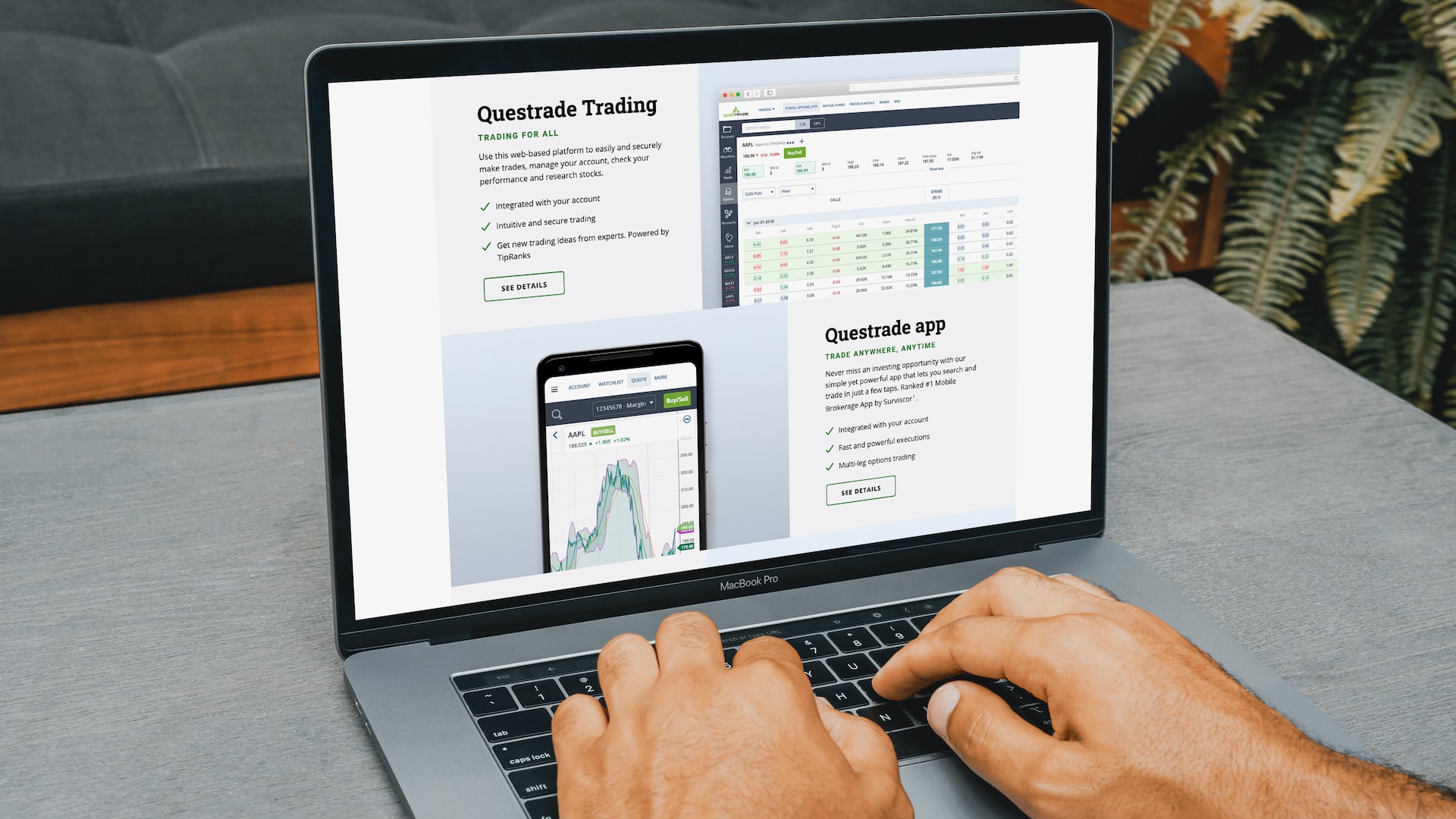
Consider using accounting software or specialized tax tools to simplify your forex tax filing process. These tools are designed to automate calculations, generate reports, and help you stay organized. Some software programs even integrate with forex trading platforms, allowing for seamless data import and analysis. By leveraging technology, you can save time and ensure accuracy in your tax filing.
Section 4: Seek Professional Assistance
If you find the forex tax filing process overwhelming, it might be beneficial to seek professional assistance. Hiring a tax professional experienced in forex trading can help simplify the process and ensure compliance with tax laws. They can guide you through complex tax regulations, identify eligible deductions, and optimize your tax position. While it may involve an additional cost, it can significantly reduce the stress and time involved in tax filing.
Section 5: Stay Updated with Tax Laws and Regulations
Tax laws and regulations related to forex trading can change over time. It is crucial to stay updated with any changes that may impact your tax filing process. Subscribe to reputable financial news sources, consult tax professionals, or join forex trading communities to stay informed about relevant tax updates. By staying proactive and knowledgeable, you can ensure compliance and avoid potential errors in your tax filing.
Section 6: Plan Ahead and Stay Organized Throughout the Year
To simplify your forex tax filing, it is essential to plan ahead and stay organized throughout the year. Keep track of your trading activities, expenses, and relevant documentation as they occur. Set reminders for important tax deadlines and allocate time to review and prepare your tax documents well in advance. By adopting a proactive approach and maintaining organization, you can minimize stress and streamline the tax filing process.
Section 7: Conclusion
Filing taxes for forex trading doesn’t have to be an overwhelming task. By implementing these strategies, you can simplify the tax filing process and make it more manageable. Maintain accurate records, separate personal and business expenses, utilize accounting software or tax tools, seek professional assistance if needed, stay updated with tax laws, and plan ahead throughout the year. By following these tips, you can streamline your forex tax filing and ensure compliance with tax regulations.