How Can I Compare Different ASIC-Regulated Forex Brokers?
Choosing the right forex broker is a crucial decision for any trader. With the Australian Securities and Investments Commission (ASIC) being the regulatory authority for financial services providers in Australia, it is important to understand how to compare different ASIC-regulated forex brokers. In this blog post, we will guide you through the key factors to consider when comparing forex brokers to help you make an informed decision. Let’s get started!
Section 1: Regulation and Compliance
Subsection 1.1: ASIC Regulation
The first step in comparing ASIC-regulated forex brokers is to ensure they are indeed regulated by ASIC. Look for brokers that prominently display their ASIC license on their website. This license assures you that the broker operates within the boundaries set by ASIC, providing a level of protection for your funds and ensuring fair trading practices.
Subsection 1.2: Regulatory Reputation
Next, consider the regulatory reputation of the brokers you are comparing. Research the history of each broker and check if they have faced any regulatory actions or fines in the past. A broker with a clean regulatory record is more likely to prioritize the safety and security of their clients.
Section 2: Trading Conditions
Subsection 2.1: Spreads and Commissions
Compare the spreads and commissions offered by different ASIC-regulated forex brokers. Lower spreads and commissions can lead to reduced trading costs and potentially higher profits. However, be cautious of brokers that offer excessively low spreads, as it could indicate poor execution quality or hidden fees.
Subsection 2.2: Leverage and Margin Requirements
Consider the leverage and margin requirements offered by each broker. Leverage allows you to amplify your trading positions, but it also increases the risk. Ensure that the broker offers leverage options that align with your risk tolerance and trading strategy. Additionally, compare the margin requirements as higher margins can tie up more of your trading capital.
Section 3: Trading Platforms and Tools
Subsection 3.1: Trading Platform Options
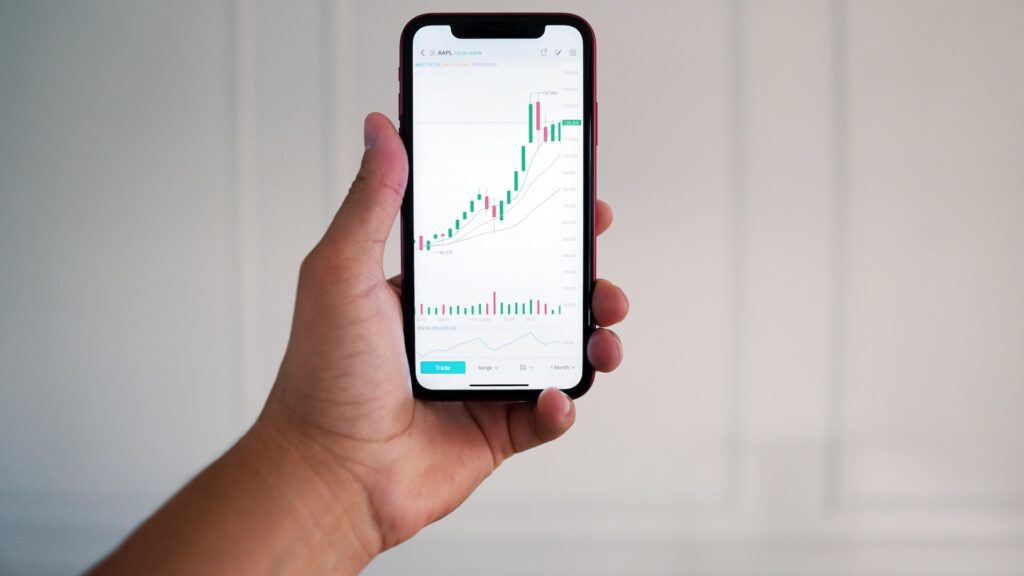
Compare the trading platforms offered by different ASIC-regulated forex brokers. A user-friendly and feature-rich trading platform can greatly enhance your trading experience. Look for platforms that provide advanced charting tools, real-time market data, and quick order execution. Additionally, check if the platform is available on your preferred devices, such as desktop, web, or mobile.
Subsection 3.2: Additional Trading Tools
Consider the availability of additional trading tools provided by the brokers. Some brokers offer features like social trading, algorithmic trading, or copy trading, which can be beneficial for certain traders. Evaluate if these tools align with your trading style and goals.
Section 4: Customer Support
Subsection 4.1: Support Channels
Compare the customer support options provided by the brokers. Look for brokers that offer multiple support channels, such as live chat, email, and phone support. Quick and responsive customer support can be crucial when you encounter issues or have questions regarding your trading account.
Subsection 4.2: Availability and Languages
Consider the availability and languages supported by the customer support team. If you are an international trader or prefer trading during non-standard hours, ensure that the broker’s customer support is available when you need it. Additionally, check if they offer support in your preferred language.
Section 5: Conclusion
When comparing ASIC-regulated forex brokers, consider factors such as regulation and compliance, trading conditions, trading platforms and tools, and customer support. By evaluating these factors, you can narrow down your options and choose a broker that aligns with your trading requirements. Remember to take your time, do thorough research, and carefully consider each broker’s offerings before making a decision. Happy trading!