What Factors Should I Consider When Comparing ASIC-Regulated Brokers?
When comparing ASIC-regulated brokers, it’s important to consider various factors to ensure you choose the right one for your trading needs. ASIC regulation provides a level of security and transparency, but there are other aspects to evaluate as well. In this blog post, we will explore the key factors you should consider when comparing ASIC-regulated brokers. Let’s dive in!
Section 1: Regulation and Compliance
Subsection 1.1: ASIC Regulation
Start by verifying that the broker is indeed ASIC-regulated, as discussed in our previous blog post. Ensure that the broker holds a valid Australian Financial Services (AFS) license and complies with ASIC’s regulatory requirements. This ensures that the broker operates under a trusted regulatory framework and follows ethical business practices.
Subsection 1.2: Compliance with Industry Standards
Check if the broker adheres to industry standards beyond ASIC regulations. Look for brokers who are members of industry associations, such as the Financial Ombudsman Service (FOS) or the Australian Financial Complaints Authority (AFCA). These memberships demonstrate the broker’s commitment to resolving disputes and providing a fair trading environment.
Section 2: Trading Platforms and Tools
Subsection 2.1: User-Friendly Interface
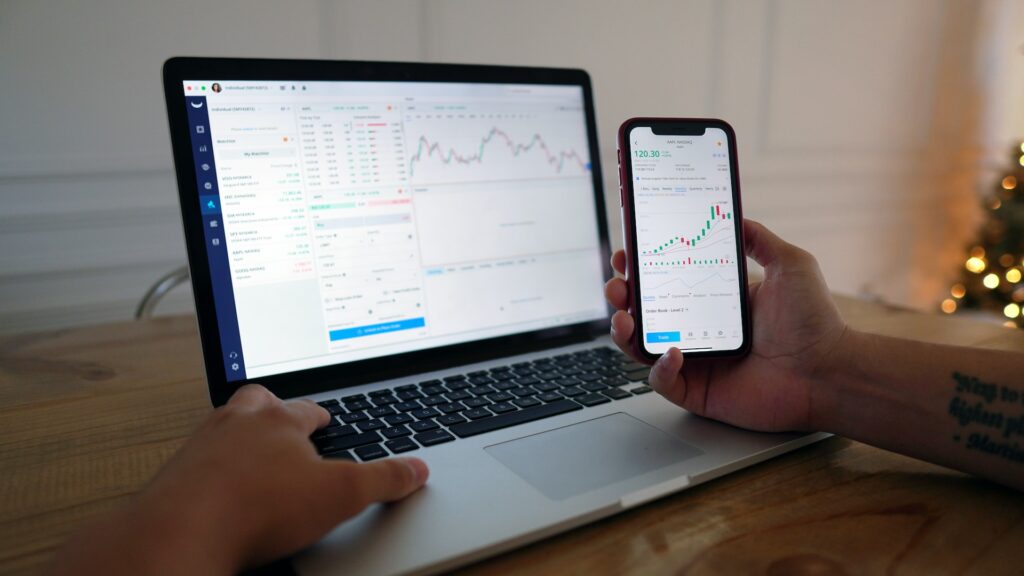
Consider the trading platforms offered by ASIC-regulated brokers. Look for platforms that are intuitive, user-friendly, and offer a wide range of features. A user-friendly interface can enhance your trading experience and make it easier to execute trades, monitor positions, and access market data.
Subsection 2.2: Mobile Trading
With the increasing popularity of mobile trading, check if the broker offers a mobile trading platform or a mobile app. Mobile trading allows you to access your trading account on the go, enabling you to monitor the markets and execute trades from your smartphone or tablet.
Subsection 2.3: Trading Tools and Resources
Evaluate the trading tools and resources provided by the broker. Look for features like advanced charting tools, technical analysis indicators, economic calendars, and educational materials. These tools can help you make informed trading decisions and stay updated with market trends.
Section 3: Tradable Instruments
Subsection 3.1: Forex Pairs
Consider the range of forex pairs offered by the broker. Look for brokers that provide a wide selection of major, minor, and exotic currency pairs. A diverse range of forex pairs allows you to take advantage of different market opportunities and implement various trading strategies.
Subsection 3.2: CFDs and Other Instruments
Check if the broker offers other tradable instruments, such as contracts for difference (CFDs), commodities, indices, or cryptocurrencies. Having access to a variety of instruments can help you diversify your portfolio and explore different investment opportunities.
Section 4: Customer Support and Service
Subsection 4.1: Availability and Responsiveness
Consider the availability and responsiveness of the broker’s customer support team. Look for brokers that offer 24/7 customer support and multiple channels of communication, such as live chat, email, and phone support. Responsive customer support can assist you in resolving any issues or queries promptly.
Subsection 4.2: Educational Resources
Evaluate the educational resources provided by the broker. Look for brokers that offer educational materials, webinars, tutorials, or trading guides. These resources can help you enhance your trading knowledge and skills, especially if you are a beginner.
Section 5: Fees and Trading Costs
Subsection 5.1: Spreads and Commissions
Compare the spreads and commissions charged by different ASIC-regulated brokers. Lower spreads and transparent commission structures can help reduce your trading costs and improve your profitability. However, also consider other factors like execution quality and trading conditions.
Subsection 5.2: Deposit and Withdrawal Fees
Check if the broker charges any fees for deposits and withdrawals. Some brokers may impose fees or have specific minimum withdrawal limits. Consider these factors to ensure that the broker’s fee structure aligns with your trading preferences and requirements.
Section 6: Conclusion
When comparing ASIC-regulated brokers, it’s essential to consider factors such as regulation and compliance, trading platforms and tools, tradable instruments, customer support, and fees. By evaluating these factors, you can select a broker that meets your trading goals and preferences. Remember to prioritize your individual needs and preferences when making the final decision. Happy trading!