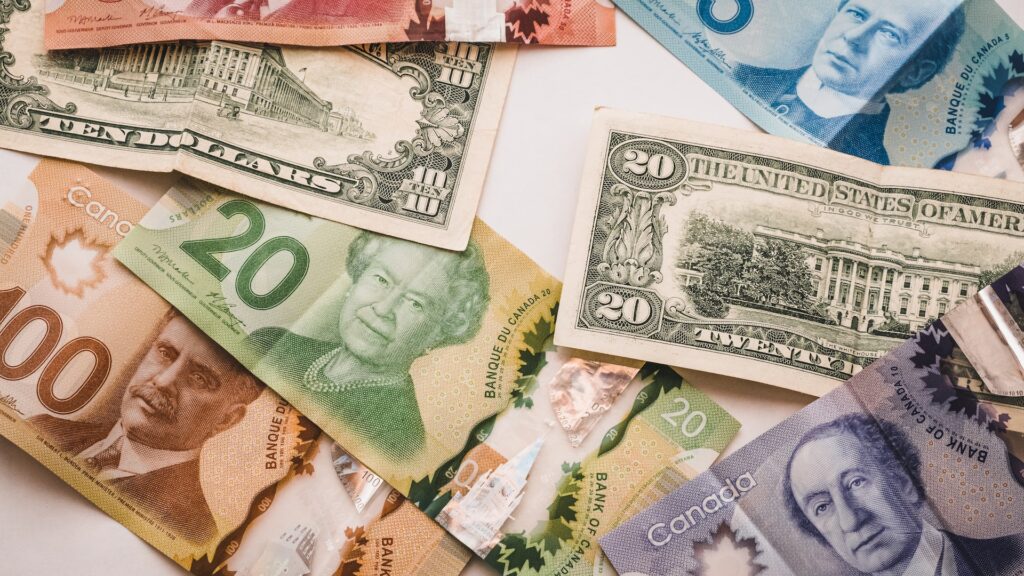
Introduction to Forex Trading
Subsection 1.1: What is Forex Trading?
Forex trading, also known as foreign exchange trading, involves buying and selling currencies in the global market. It is the largest and most liquid financial market, with trillions of dollars traded daily. Forex trading allows you to profit from currency price fluctuations by speculating on whether a currency will rise or fall in value against another.
Subsection 1.2: Currency Pairs
In forex trading, currencies are always traded in pairs. The first currency in the pair is the base currency, and the second currency is the quote currency. For example, in the EUR/USD currency pair, the Euro is the base currency, and the US Dollar is the quote currency. Understanding currency pairs is crucial for analyzing and trading forex.
Section 2: Market Participants
Subsection 2.1: Who Participates in Forex Trading?
Various participants engage in forex trading, including banks, financial institutions, corporations, governments, and individual traders. As a beginner, you will be participating as an individual trader, either through a broker or an online trading platform.
Subsection 2.2: Forex Market Hours
The forex market operates 24 hours a day, five days a week. It starts with the Asian session, followed by the European session, and then the North American session. Understanding the different trading sessions is important, as each session has its own characteristics and trading volume.
Section 3: Fundamental Concepts
Subsection 3.1: Bid and Ask Prices
When trading forex, you will come across two prices: the bid price and the ask price. The bid price is the price at which you can sell the base currency, while the ask price is the price at which you can buy the base currency. The difference between the bid and ask price is called the spread, and it represents the cost of the trade.
Subsection 3.2: Leverage and Margin
Leverage allows you to control a larger position in the market with a smaller amount of capital. Margin, on the other hand, is the amount of money you need to have in your trading account to open and maintain a position. It’s important to understand how leverage and margin work, as they can amplify both profits and losses.
Section 4: Trading Strategies and Risk Management
Subsection 4.1: Developing a Trading Strategy
A trading strategy is a set of rules and guidelines that you follow when making trading decisions. It helps you identify entry and exit points, manage risk, and stay disciplined. As a beginner, it’s important to develop a trading strategy that suits your trading style, risk tolerance, and financial goals.
Subsection 4.2: Risk Management
Risk management is crucial in forex trading to protect your capital. Set a risk-reward ratio for each trade, determine the maximum amount you are willing to risk, and use stop-loss orders to limit potential losses. Never risk more than you can afford to lose and avoid emotional trading decisions.
Section 5: Conclusion
As a beginner in forex trading, it’s important to grasp the key essentials before you start trading. Understanding the basics of forex trading, currency pairs, market participants, bid and ask prices, leverage, margin, trading strategies, and risk management will provide you with a solid foundation for your trading journey. Remember to continue learning, practicing, and refining your skills to become a successful forex trader.