Introduction
Forex trading, also known as foreign exchange trading, is the buying and selling of currencies with the goal of making a profit from fluctuations in exchange rates. It is a highly dynamic and competitive market that requires traders to stay informed and make well-informed decisions. In this article, we will explore some of the recommended tools that can help forex traders analyze the market, execute trades, and manage their risk effectively.
1. Trading Platforms
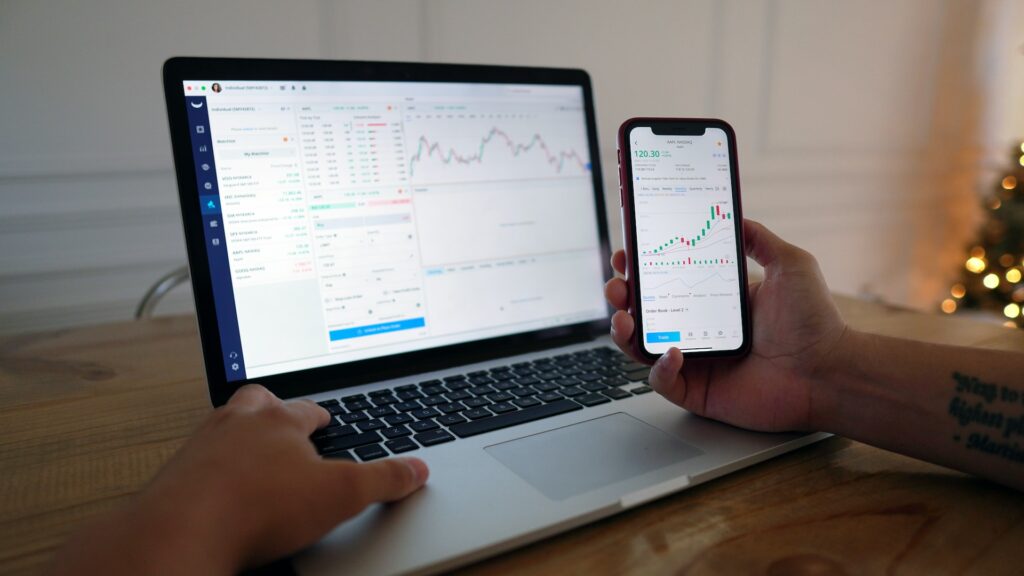
A trading platform is a software application that allows traders to access the forex market and execute trades. It is essential to choose a reliable and user-friendly trading platform that provides real-time market data, advanced charting tools, and order execution capabilities. Some popular trading platforms among forex traders include:
- MetaTrader 4 (MT4): MT4 is a widely used trading platform known for its robust features, customizable charts, and the ability to run automated trading strategies.
- MetaTrader 5 (MT5): MT5 is an upgraded version of MT4, offering additional features such as more advanced analytical tools and a multi-asset trading capability.
- cTrader: cTrader is a popular platform known for its user-friendly interface, advanced charting capabilities, and direct market access (DMA) execution.
2. Economic Calendar
An economic calendar is a tool that provides traders with important economic events, such as interest rate decisions, GDP releases, and employment reports, which can significantly impact currency prices. By staying informed about upcoming economic events, traders can anticipate market volatility and adjust their trading strategies accordingly. Some popular economic calendar tools include:
- Forex Factory: Forex Factory offers a comprehensive economic calendar that provides real-time updates on economic events, along with their expected and actual impact on currency pairs.
- Investing.com: Investing.com provides an economic calendar with customizable filters, allowing traders to focus on specific countries, currencies, and event types.
- Bloomberg Economic Calendar: Bloomberg’s economic calendar offers a wide range of economic indicators and allows traders to track market-moving events.
3. Technical Analysis Tools
Technical analysis is a popular approach used by forex traders to analyze historical price data and identify potential trading opportunities. Various technical analysis tools can help traders assess market trends, identify support and resistance levels, and generate trading signals. Some widely used technical analysis tools include:
- Japanese Candlestick Charts: Candlestick charts provide visual representations of price movements and patterns, helping traders identify trends, reversals, and key levels of support and resistance.
- Moving Averages (MA): Moving averages smooth out price data and help traders identify trends by highlighting average price levels over a specific period.
- Relative Strength Index (RSI): The RSI is a momentum oscillator that measures the strength and speed of price movements. It helps traders identify overbought and oversold conditions in the market.
4. Risk Management Tools
Effective risk management is crucial in forex trading to protect capital and minimize losses. Traders should use risk management tools to determine proper position sizes, set stop-loss orders, and manage overall portfolio risk. Some important risk management tools include:
- Position Size Calculator: A position size calculator helps traders determine the appropriate position size based on their risk tolerance, account size, and stop-loss level.
- Stop-Loss Orders: Stop-loss orders allow traders to set specific price levels at which their trades will be automatically closed to limit potential losses.
- Trailing Stops: Trailing stops are stop-loss orders that move in line with favorable price movements, allowing traders to lock in profits while still protecting against potential reversals.
Conclusion
Forex trading requires traders to have access to reliable tools that can help them analyze the market, execute trades, and manage risk effectively. Trading platforms such as MetaTrader 4 and cTrader provide essential functionality for accessing the forex market. Economic calendars help traders stay informed about important economic events, while technical analysis tools assist in analyzing price data and identifying trading opportunities.
Additionally, risk management tools, such as position size calculators and stop-loss orders, are crucial for protecting capital and minimizing losses. By utilizing these recommended tools, forex traders can enhance their decision-making process and increase their chances of success in this dynamic and competitive market.