Introduction to Forex Brokers
Subsection 1.1: Definition and Function
A forex broker acts as an intermediary between traders and the forex market. They provide a platform that allows traders to access the market and execute their trades. Brokers play a significant role in ensuring smooth and efficient trading by offering various services and tools.
Subsection 1.2: Types of Forex Brokers
There are different types of forex brokers, including market makers, ECN brokers, and STP brokers. Market makers set their own bid and ask prices, while ECN (Electronic Communication Network) brokers connect traders directly with liquidity providers. STP (Straight Through Processing) brokers route traders’ orders directly to liquidity providers without any intervention.
Section 2: Order Execution and Pricing
Subsection 2.1: Order Execution
One of the primary roles of a forex broker is to execute traders’ orders. When a trader places an order, the broker ensures that the order is executed promptly and at the best available price in the market. Brokers may offer different types of orders, such as market orders, limit orders, and stop orders, to accommodate traders’ preferences.
Subsection 2.2: Spread and Commission
Forex brokers earn their profits through spreads and commissions. The spread is the difference between the bid and ask price of a currency pair. Brokers may offer fixed or variable spreads, and they make money by widening the spread slightly. Some brokers also charge commissions on each trade. Traders should consider the spread and commission structure when choosing a broker.
Section 3: Trading Platforms and Tools
Subsection 3.1: Trading Platforms
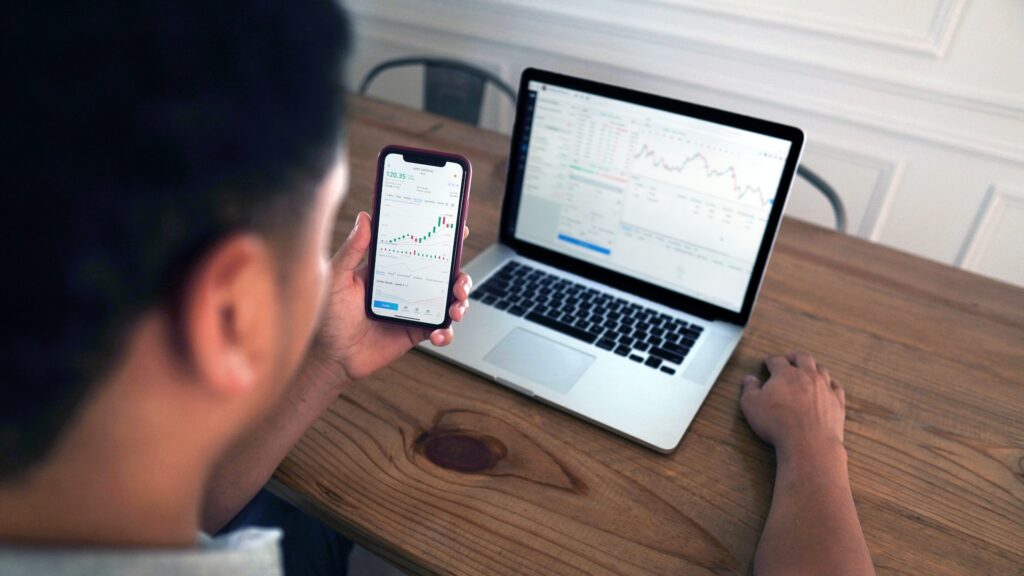
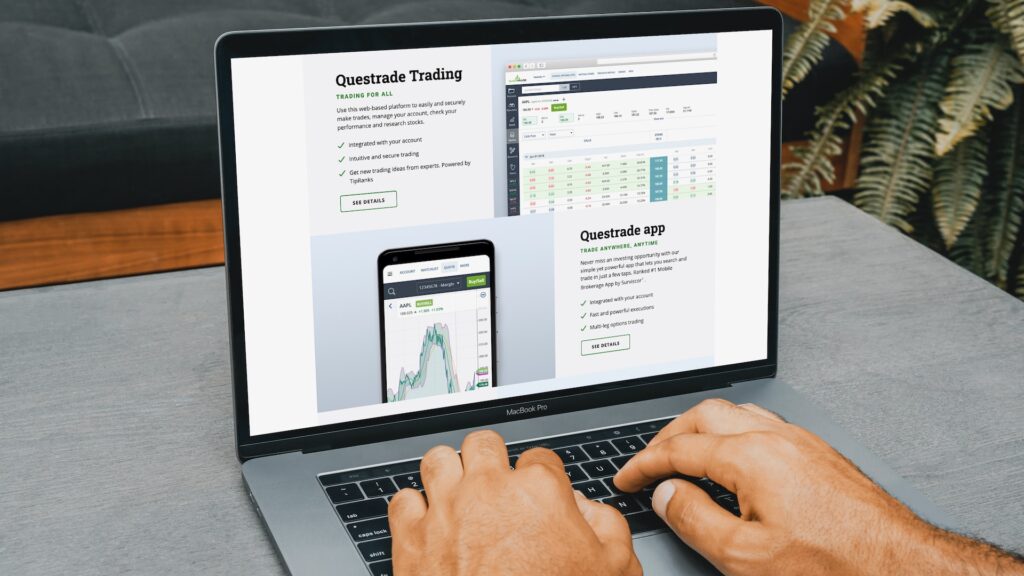
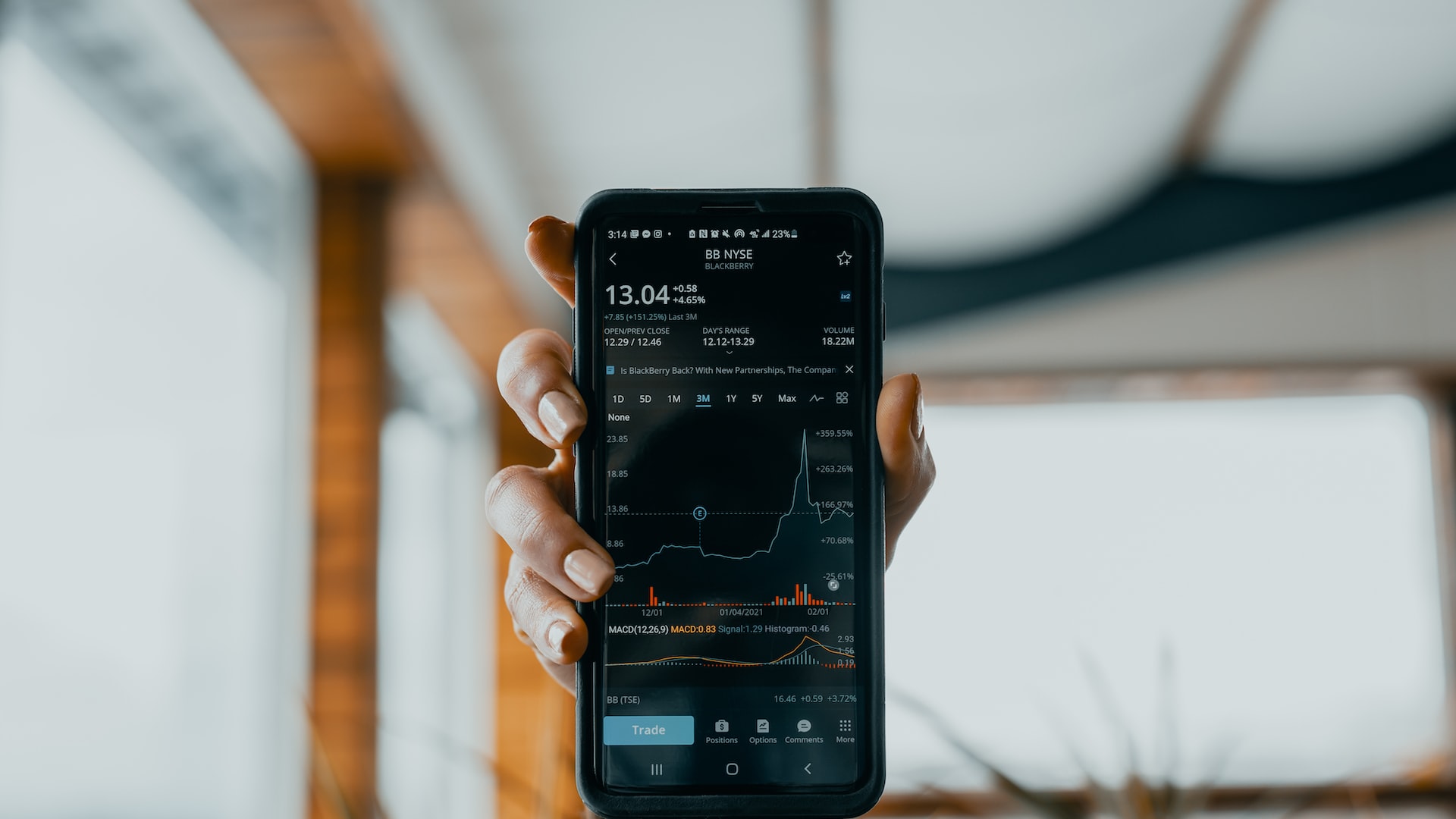
Forex brokers provide traders with trading platforms, which are software applications used to execute trades, analyze the market, and manage orders. These platforms offer real-time charts, technical indicators, and other tools to assist traders in making informed trading decisions. Popular trading platforms include MetaTrader 4 (MT4) and MetaTrader 5 (MT5).
Subsection 3.2: Educational Resources
Many brokers offer educational resources to help traders enhance their knowledge and skills. These resources may include trading tutorials, webinars, ebooks, and market analysis. Educational materials provided by brokers can be valuable for both novice and experienced traders looking to improve their understanding of the forex market.
Section 4: Risk Management and Account Security
Subsection 4.1: Risk Management Tools
Brokers provide risk management tools to help traders mitigate potential losses. These tools may include stop-loss orders, take-profit orders, and trailing stops. By setting these parameters, traders can automatically limit their losses or secure profits when certain price levels are reached.
Subsection 4.2: Account Security
Account security is paramount in forex trading. Reputable brokers implement strict security measures to protect traders’ funds and personal information. This may include encryption technology, two-factor authentication, and segregated client accounts. Traders should choose brokers with robust security protocols to ensure the safety of their trading activities.
Section 5: Conclusion
Forex brokers serve as intermediaries between traders and the forex market, playing a vital role in facilitating trades, providing trading platforms, offering educational resources, managing risks, and ensuring account security. When choosing a forex broker, it’s important to consider factors such as order execution, pricing, trading platforms, educational resources, risk management tools, and account security. By selecting a reliable and reputable broker, traders can enhance their trading experience and increase their chances of success in the forex market.