What Makes Forex Trading More Flexible and Accessible?
Forex trading, also known as foreign exchange trading, has gained popularity in recent years due to its flexibility and accessibility. This form of trading allows individuals to participate in the global currency market and potentially profit from fluctuations in exchange rates. In this blog post, we will explore the factors that make forex trading more flexible and accessible. Let’s dive in!
Section 1: Market Accessibility
Subsection 1.1: 24-Hour Market Operations
One of the key factors that make forex trading flexible and accessible is the 24-hour market operations. Unlike other financial markets, such as stock or commodity exchanges, the forex market operates continuously from Monday to Friday. This means that traders can participate in the market at any time, regardless of their geographical location. The ability to trade round the clock provides flexibility for individuals with different time zones or those who have other commitments during regular market hours.
Subsection 1.2: Global Market Accessibility
Another aspect that contributes to the flexibility of forex trading is its global accessibility. The forex market is a decentralized market, meaning that it doesn’t have a physical location. Instead, it operates through a network of financial institutions, banks, and individual traders worldwide. This global nature of the market allows traders to access currency pairs from different countries, providing a wide range of trading opportunities. Traders can take advantage of economic events and news from various countries, diversify their portfolios, and potentially profit from fluctuations in exchange rates.
Section 2: Low Barriers to Entry
Subsection 2.1: Small Initial Investment
Forex trading has relatively low barriers to entry compared to other financial markets. In the past, trading in the forex market was mainly accessible to large financial institutions and professional traders. However, with the advent of online trading platforms and brokers, retail traders can now enter the forex market with a small initial investment. Many brokers offer the option to open trading accounts with low minimum deposit requirements, making it accessible for individuals with limited capital.
Subsection 2.2: Accessible Trading Platforms
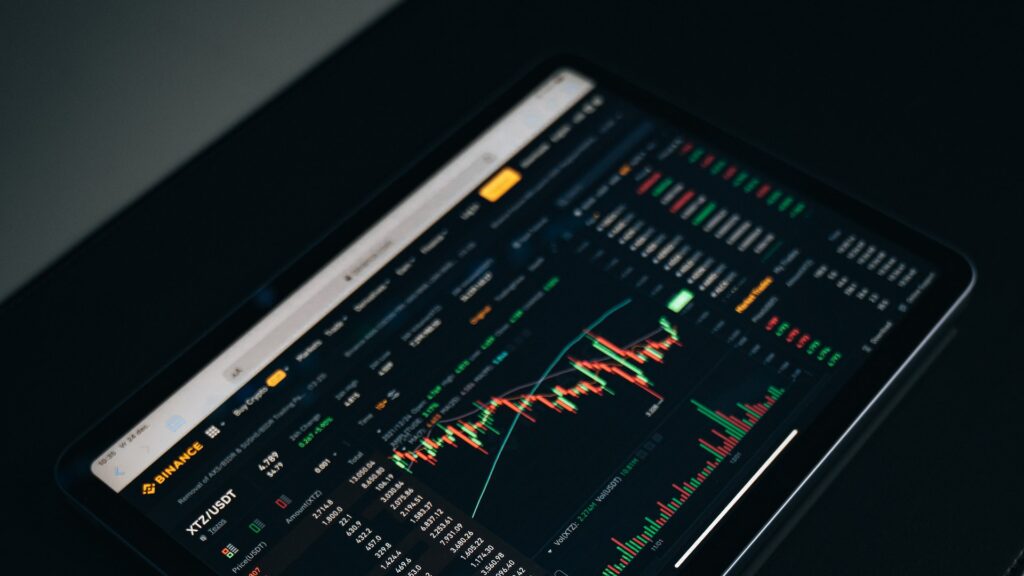
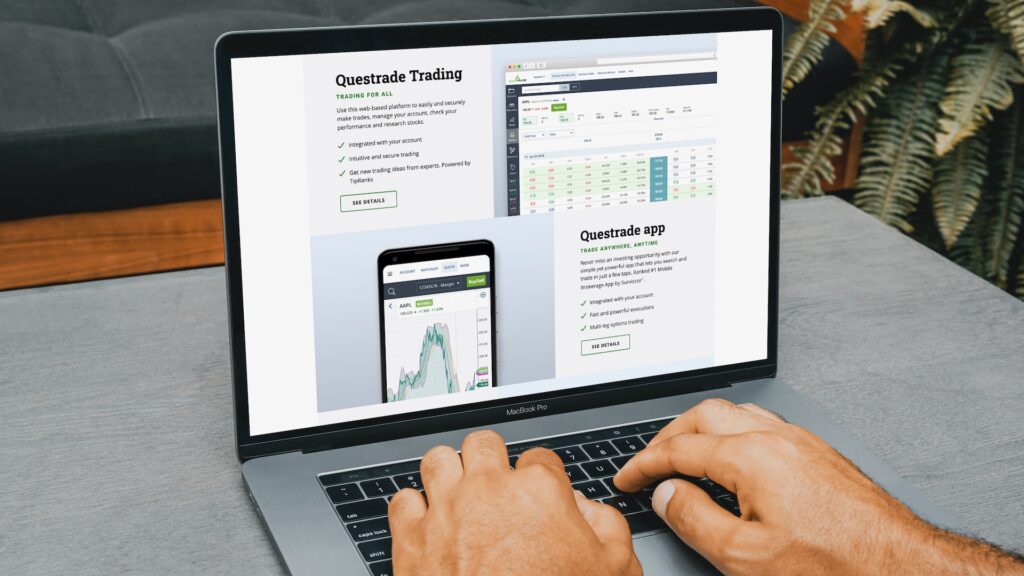
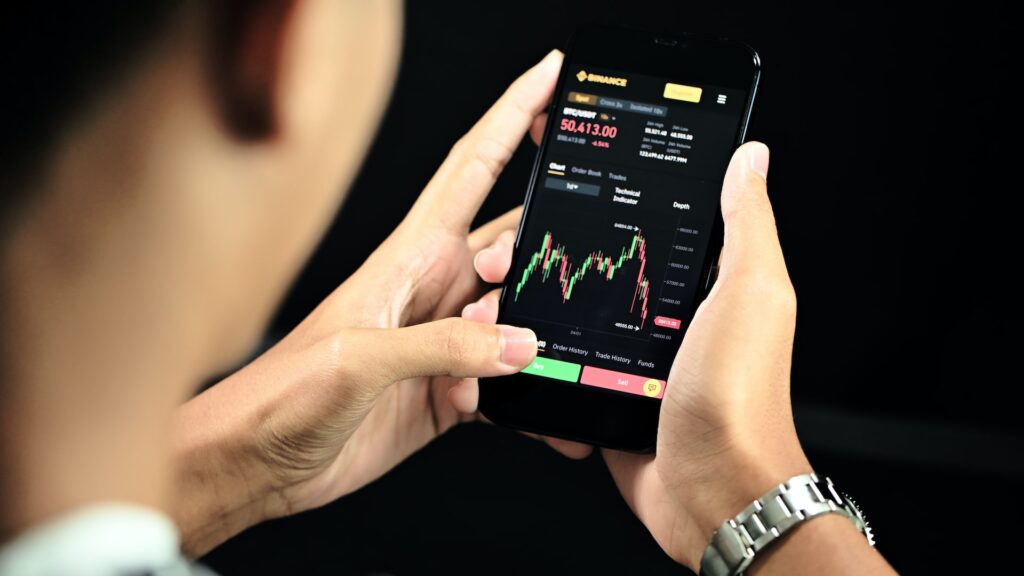
Advancements in technology have significantly contributed to the accessibility of forex trading. Online trading platforms and mobile applications have made it easier for individuals to trade forex from the comfort of their homes or on the go. These platforms provide real-time market data, charting tools, and order execution capabilities, enabling traders to make informed decisions and execute trades efficiently. The user-friendly interfaces and educational resources offered by many brokers further enhance accessibility by providing guidance and support to novice traders.
Section 3: Leverage and Trading Flexibility
Subsection 3.1: Leverage
Leverage is a unique feature of forex trading that adds to its flexibility. It allows traders to control larger positions in the market with a relatively smaller amount of capital. For example, a broker may offer leverage of 1:100, which means that for every dollar of the trader’s capital, they can control $100 in the market. This leverage amplifies both potential profits and losses, providing traders with the flexibility to trade larger volumes and potentially increase their returns. However, it’s important to note that leverage also increases risk, and proper risk management is essential when using leverage in forex trading.
Conclusion
Forex trading stands out for its flexibility and accessibility, making it an attractive option for individuals interested in the financial markets. The 24-hour market operations and global accessibility allow traders to participate at their convenience and take advantage of trading opportunities worldwide. The low barriers to entry, accessible trading platforms, and leverage options further enhance the accessibility and flexibility of forex trading. However, it’s important for individuals to educate themselves, practice risk management, and develop a trading strategy that aligns with their financial goals and risk tolerance. With the right approach, forex trading can offer individuals a flexible and accessible path to potentially profit from the dynamic currency markets.