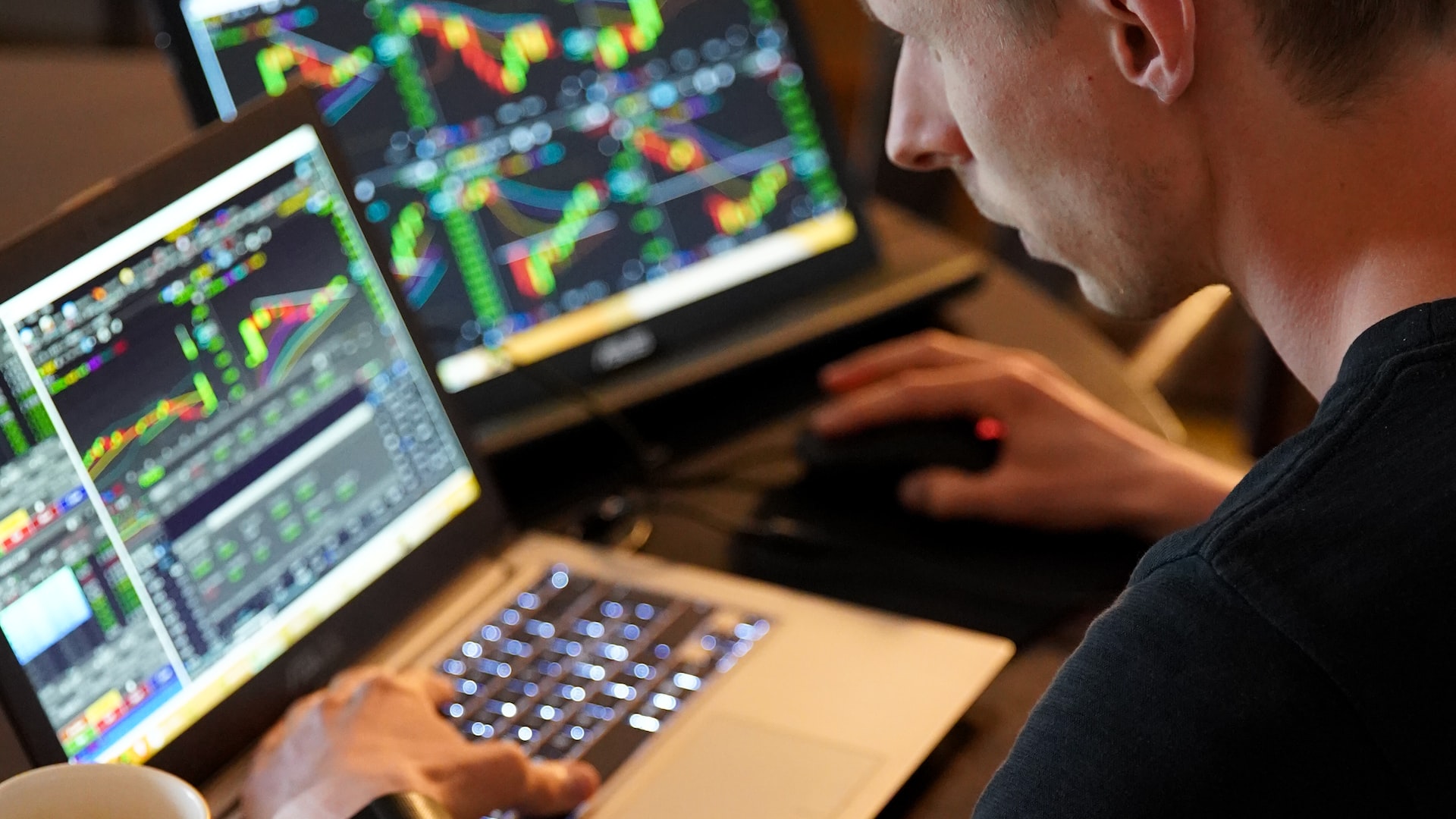
Introduction to the Forex Market
The forex market, also known as the foreign exchange market, is a decentralized market where participants trade currencies. It operates 24 hours a day, five days a week, across different time zones. Understanding the structure and trading sessions of the forex market is crucial to identifying the optimal times for trading.
Subsection 1.2: Overview of Forex Trading Sessions
The forex market is divided into four major trading sessions: the Sydney session, the Tokyo session, the London session, and the New York session. Each session has its own characteristics, liquidity levels, and market participants. By analyzing the activity during these sessions, you can identify the optimal times for forex trading.
Section 2: Factors Influencing Optimal Trading Times
Subsection 2.1: Volatility and Liquidity
Volatility and liquidity are two important factors that influence the optimal times for forex trading. Higher volatility often leads to more trading opportunities, as currency prices experience significant fluctuations. Similarly, higher liquidity ensures tighter spreads and better execution of trades. Optimal trading times are usually when both volatility and liquidity are high.
Subsection 2.2: Session Overlaps
Session overlaps occur when two trading sessions are active simultaneously. These overlaps can result in increased trading activity and volatility, making them desirable times for trading. The most notable overlap is between the London and New York sessions, which offers high liquidity and increased trading opportunities.
Section 3: Optimal Times for Different Trading Styles
Subsection 3.1: Scalping and Day Trading
Scalping and day trading are short-term trading styles that require traders to open and close positions within a single trading day. Optimal times for scalping and day trading are during sessions with high liquidity and volatility, such as the London and New York sessions. These sessions offer frequent price movements and ample trading opportunities.
Subsection 3.2: Swing Trading and Position Trading
Swing trading and position trading are longer-term trading styles that involve holding positions for days, weeks, or even months. Optimal times for swing trading and position trading can vary depending on the trader’s preferred currency pairs and market analysis. However, traders often seek periods of stability and lower volatility to capture larger price movements.
Section 4: Market News and Economic Releases
Subsection 4.1: Impact of Market News
Market news, such as economic releases, central bank announcements, and geopolitical events, can significantly impact currency prices. Traders often prefer to avoid trading during major news events as they can lead to increased volatility and unpredictable market conditions. Optimal times for trading in relation to news events require careful analysis and consideration of the potential impact on the market.
Section 5: Conclusion
Identifying the optimal times for forex trading is a critical aspect of successful trading. By understanding the structure of the forex market, analyzing session overlaps, considering volatility and liquidity levels, and factoring in your trading style and market news, you can increase your chances of profitable trades. Remember, there is no one-size-fits-all answer to the optimal trading times, as it depends on various factors. Continuously monitor the market, adapt your trading strategies, and seek opportunities during periods of high activity and favorable market conditions to maximize your trading success.