What is Profit Maximization in Forex Trading?
Forex trading is a popular financial market where traders aim to profit from the fluctuations in currency exchange rates. Profit maximization is a key objective for many forex traders, as it allows them to capitalize on their investments and achieve financial success. In this blog post, we will explore what profit maximization means in forex trading and discuss some strategies to help traders achieve this goal.
Understanding Profit Maximization
Profit maximization in forex trading refers to the process of optimizing trading strategies and making decisions that lead to the highest possible profits. Traders aim to generate substantial returns on their investments by taking advantage of favorable market conditions and making well-informed trading decisions.
The Role of Risk Management
While profit maximization is an important goal in forex trading, it should not be pursued at the expense of risk management. Traders must be mindful of the risks involved and implement appropriate risk management strategies to protect their capital. Proper risk management ensures that potential losses are controlled, allowing traders to maximize profits in a sustainable manner.
Developing a Profit Maximization Strategy
To maximize profits in forex trading, traders can consider the following strategies:
1. Technical Analysis
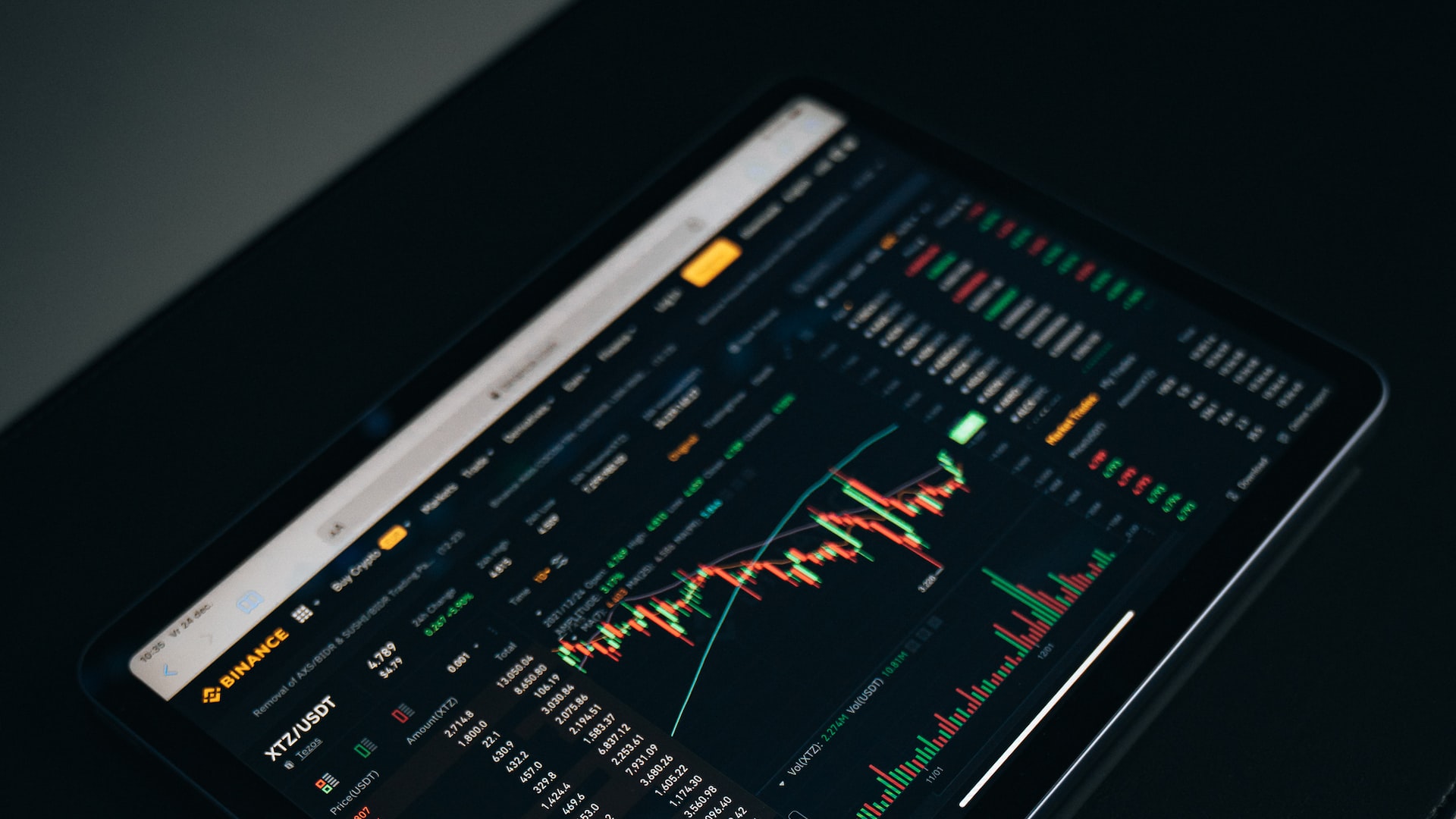
Technical analysis involves studying historical price data, chart patterns, and indicators to identify potential trading opportunities. By analyzing price trends and patterns, traders can make informed decisions and increase the likelihood of profitable trades.
2. Fundamental Analysis
Fundamental analysis involves evaluating economic indicators, geopolitical events, and other factors that may impact currency values. By staying informed about global economic developments, traders can identify potential trading opportunities and make profitable decisions based on the fundamental factors driving currency movements.
3. Risk-Reward Ratio
Traders should assess the risk-reward ratio for each trade. This ratio compares the potential profit of a trade to the potential loss. By selecting trades with a favorable risk-reward ratio, traders can increase the probability of generating profits over the long term.
4. Stop-Loss Orders and Take-Profit Orders
Implementing stop-loss orders and take-profit orders is essential for managing risk and maximizing profits. Stop-loss orders allow traders to set a predetermined exit point to limit potential losses if the market moves against their position. Take-profit orders enable traders to secure profits by automatically closing a trade when a certain profit target is reached.
5. Proper Position Sizing
Proper position sizing is crucial for managing risk and maximizing profits. Traders should determine the appropriate position size for each trade based on their risk tolerance and account size. By allocating an appropriate portion of their capital to each trade, traders can mitigate the risk of significant losses and increase the potential for profitable trades.
6. Continuous Learning and Improvement
Forex markets are dynamic, and traders must continuously update their knowledge and skills to stay ahead. Continuous learning, staying informed, and adapting to changing market conditions are crucial for maximizing profits. Traders should invest time in studying market trends, exploring new strategies, and analyzing their trading performance to identify areas for improvement.
Conclusion
Profit maximization is a primary objective for forex traders. By implementing effective risk management techniques and developing a well-thought-out profit maximization strategy, traders can increase their chances of achieving substantial profits in the forex market. Technical and fundamental analysis, risk-reward assessment, stop-loss and take-profit orders, proper position sizing, continuous learning, and improvement are some of the key elements that contribute to profit maximization in forex trading. Remember, it is important to strike a balance between profit maximization and risk management to ensure sustainable trading success.