What Is the Difference Between Options Trading and Forex?
Options trading and forex (foreign exchange) are both popular investment strategies in the financial market. While they share some similarities, there are key differences between the two. In this blog post, we will explore the differences between options trading and forex, helping you understand their unique characteristics and choose the strategy that aligns with your investment goals.
Section 1: Understanding Options Trading
Let’s start by understanding options trading:
1. What Are Options?
Options are financial derivatives that give traders the right, but not the obligation, to buy or sell an underlying asset at a predetermined price within a specific timeframe. These assets can include stocks, indexes, commodities, or currencies.
2. How Does Options Trading Work?
Options trading involves buying and selling options contracts. Call options give the holder the right to buy the underlying asset, while put options give the holder the right to sell the underlying asset. Traders can profit from options trading by correctly predicting the direction of the asset’s price movement.
Section 2: Understanding Forex Trading
Now let’s dive into forex trading:
1. What Is Forex Trading?
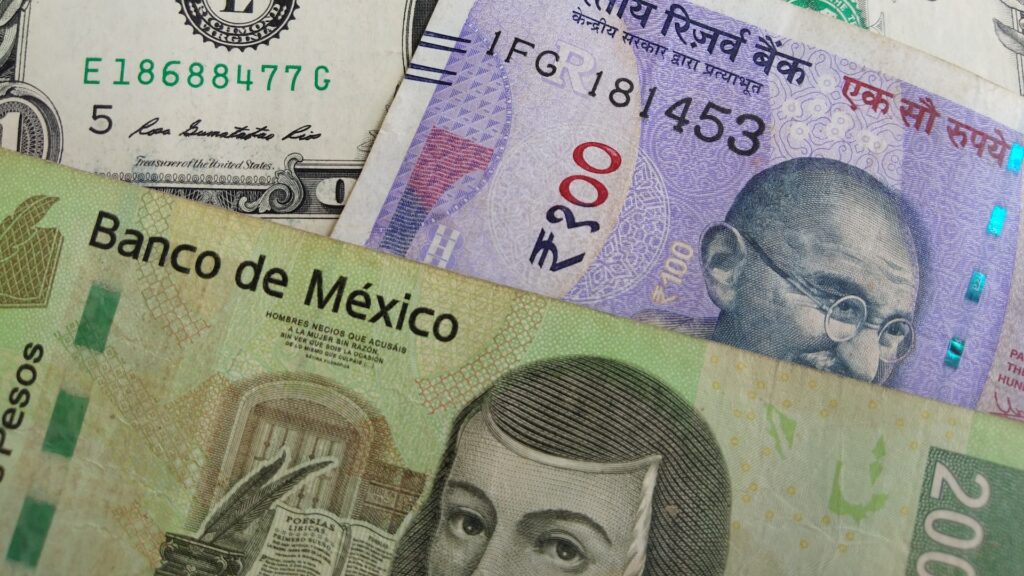
Forex trading, also known as foreign exchange trading, involves buying and selling currencies in the global market. Traders aim to profit from fluctuations in exchange rates between different currency pairs.
2. How Does Forex Trading Work?
Forex trading takes place in the decentralized over-the-counter (OTC) market, where participants trade currencies directly. Traders speculate on the price movements of currency pairs, such as EUR/USD or GBP/JPY, by taking long or short positions.
Section 3: Key Differences Between Options Trading and Forex
Now, let’s explore the key differences between options trading and forex:
1. Nature of the Market
Options trading takes place in the derivatives market, where traders speculate on the price movements of underlying assets. Forex trading, on the other hand, revolves around the global currency market, where traders buy and sell currencies.
2. Risk and Reward
Options trading offers limited risk and unlimited reward potential. Traders can only lose the premium they paid for the options contract, but they have the potential to earn significant profits if their predictions are correct. In forex trading, the risk and reward are determined by the leverage used and the price movements of the currency pairs.
3. Timeframe
Options trading has a specific timeframe, known as the expiration date, within which traders must exercise their options. Forex trading has no fixed expiration date, allowing traders to hold their positions as long as they desire.
4. Complexity
Options trading can be more complex than forex trading, as it involves understanding various options strategies, such as covered calls, straddles, or spreads. Forex trading, although still requiring knowledge and analysis, is relatively straightforward in terms of execution.
Section 4: Conclusion
Options trading and forex are two distinct investment strategies, each with its own set of characteristics and risks. Options trading focuses on derivatives and offers limited risk with potentially high rewards. Forex trading revolves around currency pairs and involves speculating on exchange rate fluctuations. Understanding the differences between options trading and forex will help you choose the strategy that suits your investment objectives and risk tolerance. As with any investment, it’s essential to educate yourself, practice with small positions, and seek professional advice to maximize your chances of success.