What Is the Current Landscape of Forex Trading in India?
Forex trading in India has gained significant popularity in recent years, with increasing numbers of individuals and businesses participating in the market. In this article, we will explore the current landscape of forex trading in India, including its regulatory framework, market trends, and opportunities.
1. Regulatory Framework for Forex Trading
The Reserve Bank of India (RBI) is the regulatory authority responsible for overseeing forex trading in India. The RBI sets guidelines and regulations to ensure the orderly conduct of forex transactions and to protect the interests of traders and investors. Forex trading in India is primarily conducted through authorized dealers, banks, and registered brokers.
2. Market Trends and Participation
The forex market in India has witnessed substantial growth in recent years. The increasing number of retail traders, institutional investors, and businesses participating in forex trading reflects the growing interest in this market. The availability of advanced trading platforms, mobile applications, and educational resources has made forex trading more accessible to individuals and businesses in India.
3. Currency Pairs Traded in India
The Indian forex market primarily involves trading major currency pairs such as USD/INR, EUR/INR, GBP/INR, and JPY/INR. These currency pairs account for the majority of forex trading volumes in India. The USD/INR pair is particularly popular due to the significant trading volume and liquidity it offers.
4. Forex Trading Opportunities
The Indian forex market offers a range of opportunities for traders and investors. Volatility in currency prices creates opportunities for profit through short-term trading strategies such as scalping and day trading. Long-term investors can take advantage of currency trends and economic developments to build profitable positions over time.
5. Technology and Forex Trading
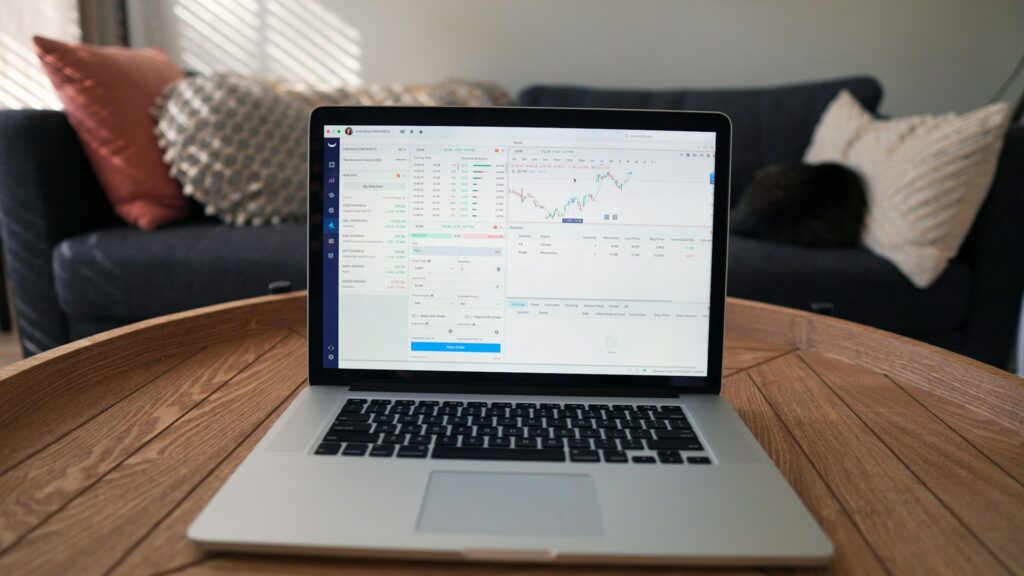
Advancements in technology have had a significant impact on forex trading in India. Online trading platforms, mobile applications, and automated trading systems have made it easier for individuals to participate in the market. Real-time market data, charting tools, and technical analysis software provide traders with valuable insights and enhance their decision-making capabilities.
6. Risk Management and Investor Protection
The regulatory framework in India emphasizes the importance of risk management and investor protection in forex trading. Traders are encouraged to follow sound risk management practices, set appropriate stop-loss levels, and diversify their portfolios. The RBI regularly issues guidelines and conducts inspections to ensure compliance and protect investors from fraudulent activities.
7. Future Outlook
The future of forex trading in India looks promising. As technology continues to advance, more individuals and businesses are likely to participate in the market. The regulatory framework is expected to evolve to accommodate the changing landscape of forex trading. Increased awareness, education, and access to resources will further contribute to the growth of forex trading in India.
Conclusion
The current landscape of forex trading in India is characterized by increasing participation, regulatory oversight, and advancements in technology. The Indian forex market offers opportunities for traders and investors to profit from currency fluctuations. With the right knowledge, tools, and risk management practices, individuals and businesses can navigate this dynamic market and potentially achieve financial success.