What are the Moral Implications of Engaging in Forex Trading?
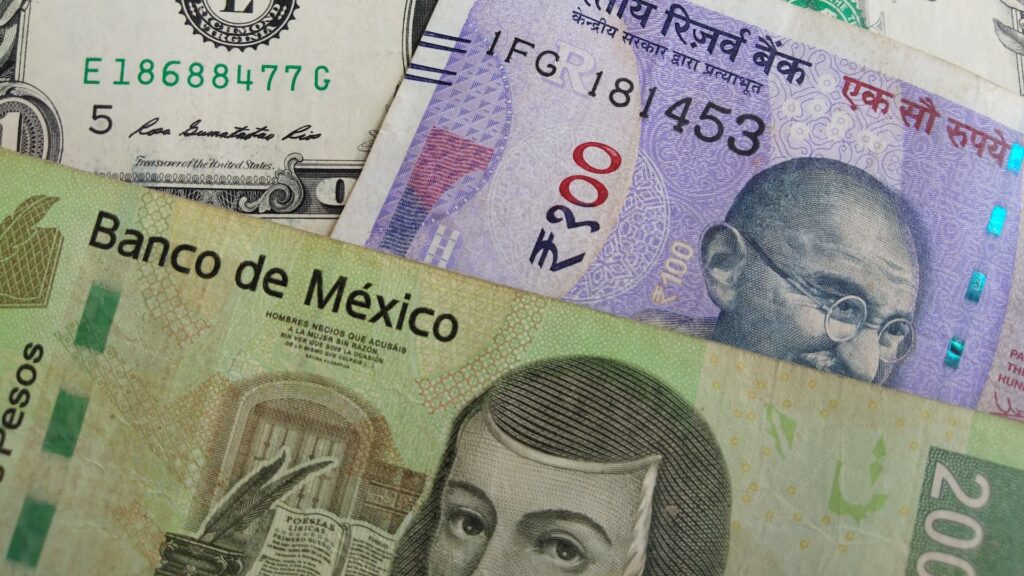
Forex trading, the buying and selling of currencies, is a complex and fast-paced financial activity. While it offers potential financial rewards, it also raises moral considerations that traders should be aware of. In this blog post, we will explore the moral implications of engaging in forex trading and the ethical dilemmas that traders may face.
1. Speculation and Gambling
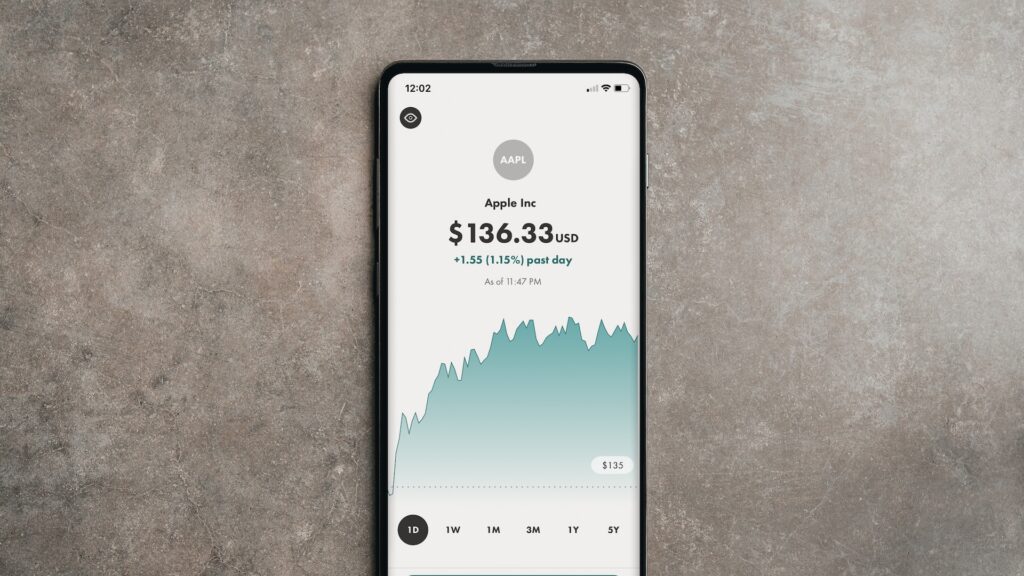
One of the moral implications of forex trading is the comparison to speculation and gambling. Some argue that forex trading is akin to gambling, as traders make predictions about the future movements of currency prices. This raises questions about the morality of engaging in an activity that involves speculation and the potential for financial gain or loss.
2. Impact on Global Economy
Forex trading has a significant impact on the global economy, as it involves the exchange of currencies between different countries. Traders should consider the potential consequences of their actions on the stability and well-being of economies. Engaging in forex trading without considering the broader economic implications can be seen as morally questionable.
2.1. Currency Manipulation
Currency manipulation is an unethical practice that some traders may engage in. This involves artificially influencing currency exchange rates to gain an unfair advantage. Such actions can have detrimental effects on economies, including inflation, trade imbalances, and economic instability. Traders should be aware of the moral implications of currency manipulation and avoid participating in such activities.
3. Inequality and Wealth Distribution
Forex trading, particularly in the context of large financial institutions, contributes to the ongoing debate about wealth inequality and the distribution of resources. Critics argue that the profits generated through forex trading often benefit a select few, exacerbating income disparities. Traders should consider the moral implications of their role in wealth distribution and explore ways to promote a more equitable society.
4. Exploitation and Unfair Advantage
Forex trading involves taking advantage of fluctuations in currency prices to generate profits. However, some traders may exploit market conditions or leverage their resources to gain an unfair advantage over others. This raises ethical concerns about fairness and the potential exploitation of less knowledgeable or less resourced participants in the market.
4.1. Insider Trading and Front-Running
Insider trading and front-running are unethical practices that can occur in forex trading. Insider trading involves using non-public information to gain an unfair advantage, while front-running involves placing orders ahead of others to profit from subsequent price movements. Traders should be aware of the moral implications of these practices and avoid engaging in them.
5. Ethical Decision-Making
Traders must engage in ethical decision-making when participating in forex trading. They should consider the impact of their actions on various stakeholders, including clients, counterparties, and the broader society. Ethical decision-making involves weighing the potential financial gains against the moral implications and acting in a way that upholds integrity and fairness.
Conclusion
Engaging in forex trading raises moral implications and ethical dilemmas for traders. The comparison to speculation and gambling, the impact on the global economy, concerns about currency manipulation, wealth distribution, exploitation, and unfair advantage all contribute to the moral considerations of forex trading. Traders should strive to make ethical decisions, considering the broader consequences of their actions and promoting fairness, transparency, and integrity in the market.