What Roles Does a Forex Trading Broker Play?
A forex trading broker plays a crucial role in facilitating trading activities in the forex market. As an intermediary between traders and the market, brokers provide access to the global currency exchange and offer various services to help traders execute their trades effectively. In this blog post, we will explore the key roles that a forex trading broker plays and how they contribute to the overall trading experience.
1. Providing Market Access
One of the primary roles of a forex trading broker is to provide traders with access to the forex market. Brokers offer trading platforms that connect traders to the interbank market, where currencies are bought and sold. Through these platforms, traders can execute trades, monitor market prices, and access various trading tools and resources.
2. Execution of Trades
Forex brokers facilitate the execution of trades on behalf of their clients. When a trader places an order, the broker is responsible for transmitting that order to the market and ensuring that it is executed at the best available price. Brokers may offer different order types, such as market orders, limit orders, or stop orders, to accommodate various trading strategies and preferences.
3. Provision of Trading Platforms
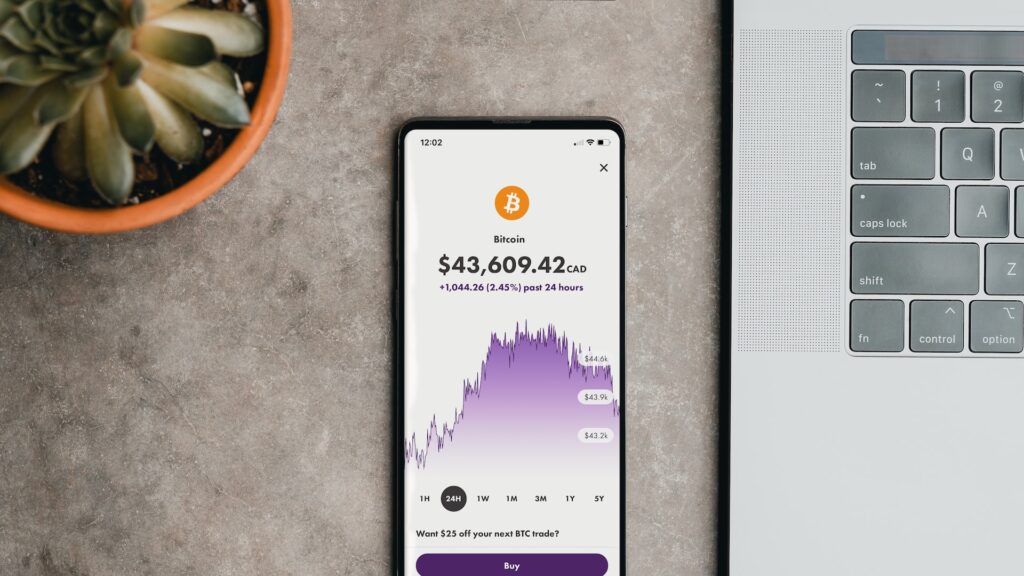
Forex brokers provide trading platforms that serve as the interface between traders and the market. These platforms are typically web-based or downloadable software applications that offer real-time market data, charting tools, order placement capabilities, and other features necessary for effective trading. Brokers may also offer mobile trading apps for traders who prefer to trade on the go.
4. Access to Leverage
Leverage is a key feature of forex trading, allowing traders to control larger positions with a smaller amount of capital. Forex brokers provide access to leverage, which enables traders to amplify their potential profits (and losses). The specific leverage ratios offered by brokers may vary, and it is important for traders to understand the risks associated with leverage and use it responsibly.
5. Provision of Educational Resources
Many forex brokers offer educational resources to help traders enhance their knowledge and skills. These resources may include tutorials, webinars, e-books, and market analysis tools. By providing educational materials, brokers aim to empower traders with the necessary information and insights to make informed trading decisions.
6. Customer Support
Forex brokers typically provide customer support services to assist traders with any issues or inquiries they may have. This can include technical support for trading platforms, assistance with account-related matters, and general guidance on trading strategies. Reliable customer support is essential for traders, especially during volatile market conditions or when encountering technical difficulties.
Conclusion
A forex trading broker plays multiple roles in the trading ecosystem, acting as a bridge between traders and the forex market. They provide market access, execute trades, offer trading platforms, grant access to leverage, provide educational resources, and offer customer support. Choosing a reputable and reliable broker is crucial for a successful trading experience. By understanding the roles that brokers play, traders can make informed decisions and maximize their chances of success in the forex market.