How Can I Predict Changes in Forex Exchange Rates?
Forecasting changes in forex exchange rates is a challenging task that requires a combination of analysis, research, and experience. While it’s impossible to predict with absolute certainty, there are several methods and indicators that can help you make more informed decisions. In this blog post, we will explore some approaches that traders commonly use to predict changes in forex exchange rates.
1. Fundamental Analysis
Fundamental analysis involves analyzing economic, social, and political factors that can influence currency values. By studying macroeconomic indicators such as interest rates, inflation rates, GDP growth, and geopolitical events, traders can gain insights into the strength or weakness of a currency. For example, if a country’s economy is growing rapidly, its currency may appreciate against others. Fundamental analysis helps traders understand the bigger picture and make predictions based on economic fundamentals.
2. Technical Analysis
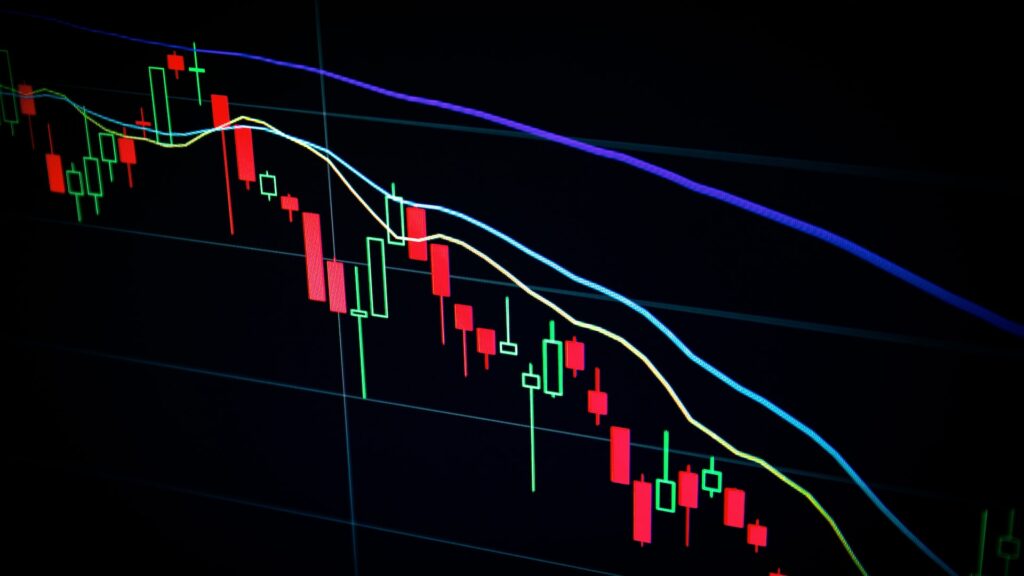
Technical analysis involves studying historical price data, chart patterns, and various technical indicators to identify trends and patterns in currency movements. Traders use tools such as moving averages, oscillators, and support/resistance levels to make predictions about future price movements. Technical analysis assumes that historical price patterns repeat themselves, and by identifying these patterns, traders can predict potential future price changes. However, it’s important to note that technical analysis is not foolproof and should be used in conjunction with other methods.
3. Sentiment Analysis
Sentiment analysis involves gauging market sentiment and investor psychology to predict currency movements. Traders analyze factors such as news sentiment, market positioning, and investor behavior to understand whether traders are bullish or bearish on a particular currency. Sentiment analysis can be done through various methods, including monitoring news headlines, social media sentiment, and surveys. By understanding market sentiment, traders can anticipate potential shifts in currency values.
4. Carry Trade Strategies
Carry trade strategies involve taking advantage of interest rate differentials between currencies. Traders borrow in a low-interest-rate currency and invest in a high-interest-rate currency, aiming to profit from the interest rate differential. When predicting changes in forex exchange rates using carry trade strategies, traders focus on interest rate expectations, central bank policies, and economic conditions that may affect interest rates. However, carry trade strategies come with their own risks, such as currency volatility and unexpected interest rate changes.
5. Algorithmic Trading
Algorithmic trading, also known as automated trading or algo trading, involves using computer programs to execute trades based on predefined rules and algorithms. Traders can develop algorithms that incorporate various indicators and factors to predict changes in forex exchange rates. These algorithms can analyze large amounts of data quickly and make trading decisions based on predefined criteria. Algorithmic trading can be effective in capturing short-term price movements and reacting swiftly to market conditions.
Conclusion
Predicting changes in forex exchange rates is a complex task that requires a combination of analysis, research, and experience. By utilizing fundamental analysis, technical analysis, sentiment analysis, carry trade strategies, and algorithmic trading, traders can improve their ability to predict potential currency movements. However, it’s important to remember that forex markets are influenced by numerous factors, and no method can guarantee accurate predictions. It’s always advisable to use a combination of approaches and continuously monitor and adjust your trading strategy based on market conditions.