What Is the Role of a Forex Broker in Trading?
Forex trading involves buying and selling currencies in the foreign exchange market. While traders execute trades, they rely on forex brokers to facilitate their transactions. Forex brokers play a crucial role in the trading process, providing traders with access to the market and offering various services to support their trading activities. In this blog post, we will explore the role of a forex broker in trading and the value they bring to traders.
1. Market Access
One of the primary roles of a forex broker is to provide traders with access to the forex market. Forex brokers act as intermediaries, connecting traders to liquidity providers such as banks, financial institutions, and other traders. They offer trading platforms that enable traders to execute trades and access real-time market prices. By providing market access, forex brokers allow traders to participate in the global currency market.
2. Execution of Trades
Forex brokers are responsible for executing trades on behalf of traders. When a trader places an order, the broker ensures that the order is executed at the best available price in the market. Brokers may offer different types of execution, including market execution, where trades are executed at the current market price, or pending order execution, where trades are executed when a specific price level is reached. By efficiently executing trades, brokers help traders enter and exit the market effectively.
3. Provision of Trading Platforms
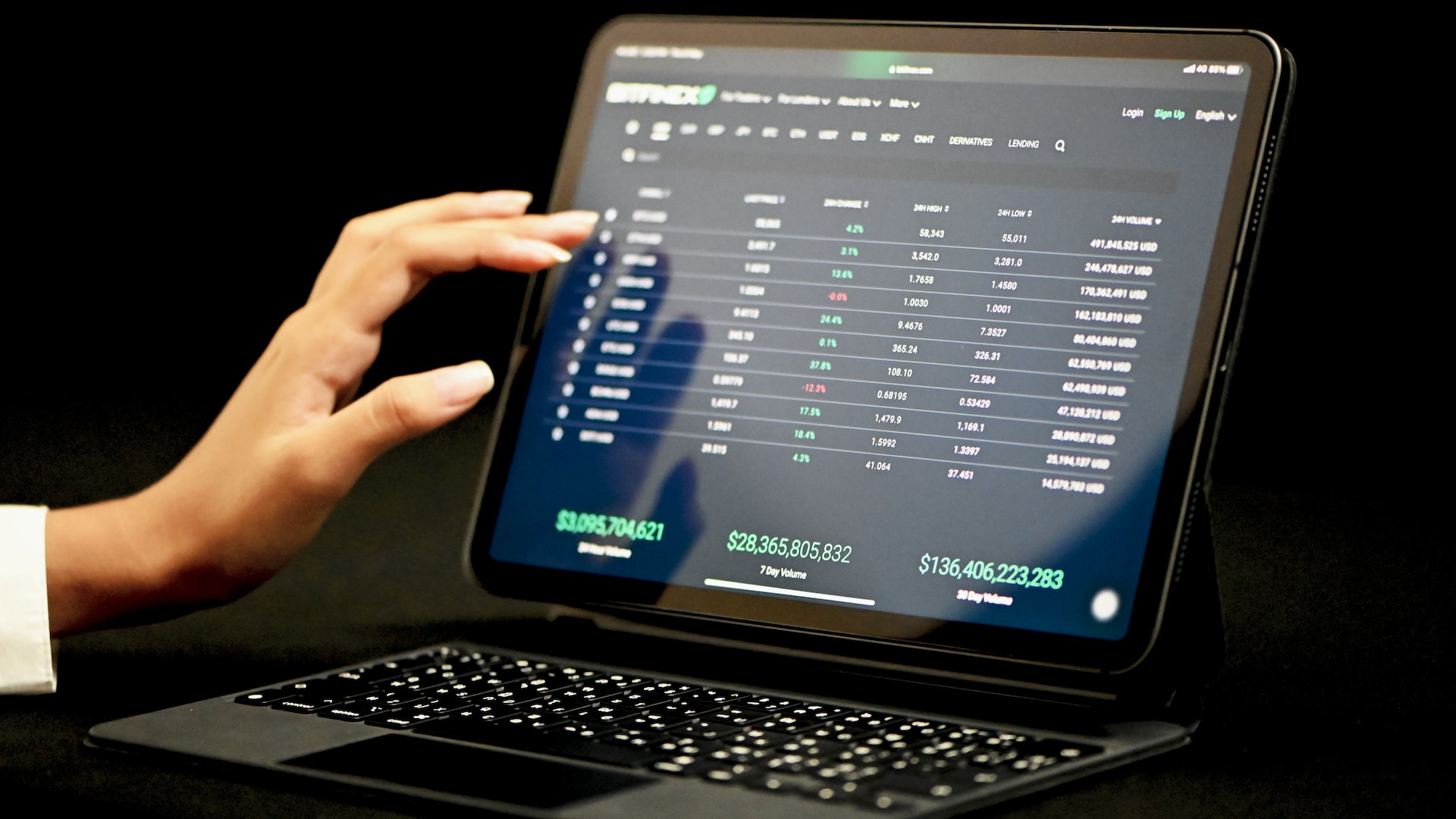
Forex brokers provide traders with trading platforms, which are software applications that allow traders to analyze market data, place orders, and monitor their positions. These platforms often include features such as real-time charts, technical indicators, and risk management tools. Brokers may offer their own proprietary platforms or support popular third-party platforms like MetaTrader. By providing trading platforms, brokers enable traders to access market information and execute trades efficiently.
4. Access to Leverage
Forex brokers often provide traders with access to leverage, which allows traders to control larger positions in the market with a smaller amount of capital. Leverage amplifies both profits and losses, and brokers determine the maximum leverage they offer to their clients. By offering leverage, brokers enable traders to potentially increase their trading opportunities and exposure to the market. However, it is important for traders to use leverage responsibly and understand the associated risks.
5. Educational Resources and Support
Many forex brokers offer educational resources and support to help traders enhance their trading skills and knowledge. These resources may include webinars, tutorials, articles, and market analysis. Brokers may also provide customer support services to assist traders with any questions or issues they encounter. By offering educational resources and support, brokers empower traders with the tools and information needed to make informed trading decisions.
Conclusion
In forex trading, brokers play a vital role in facilitating trades and providing traders with access to the market. They offer market access, execute trades, and provide trading platforms that enable traders to participate in the currency market. Brokers also grant traders access to leverage, offer educational resources, and provide support services. By understanding the role of a forex broker, traders can effectively utilize their services to enhance their trading experience and navigate the forex market more efficiently.