What Is the Role of a Forex Trading Broker?
Forex trading has gained immense popularity in recent years, attracting both experienced traders and newcomers to the financial markets. To participate in forex trading, individuals rely on forex trading brokers who facilitate their access to the global currency markets. In this blog post, we will explore the role of a forex trading broker and their importance in the forex trading ecosystem.
1. Trade Execution
One of the primary roles of a forex trading broker is to execute trades on behalf of their clients. When a trader places an order to buy or sell a currency pair, the broker acts as an intermediary, connecting the trader to the forex market. The broker receives the order and executes it at the best available price in the market, ensuring efficient and timely trade execution.
2. Market Access
A forex trading broker provides traders with access to the global currency markets. The forex market operates 24 hours a day, five days a week, and has a decentralized structure. Brokers offer trading platforms that allow traders to access a wide range of currency pairs and participate in the market. They provide the necessary infrastructure and technology to enable traders to monitor prices, analyze charts, and place trades.
3. Provision of Trading Platforms
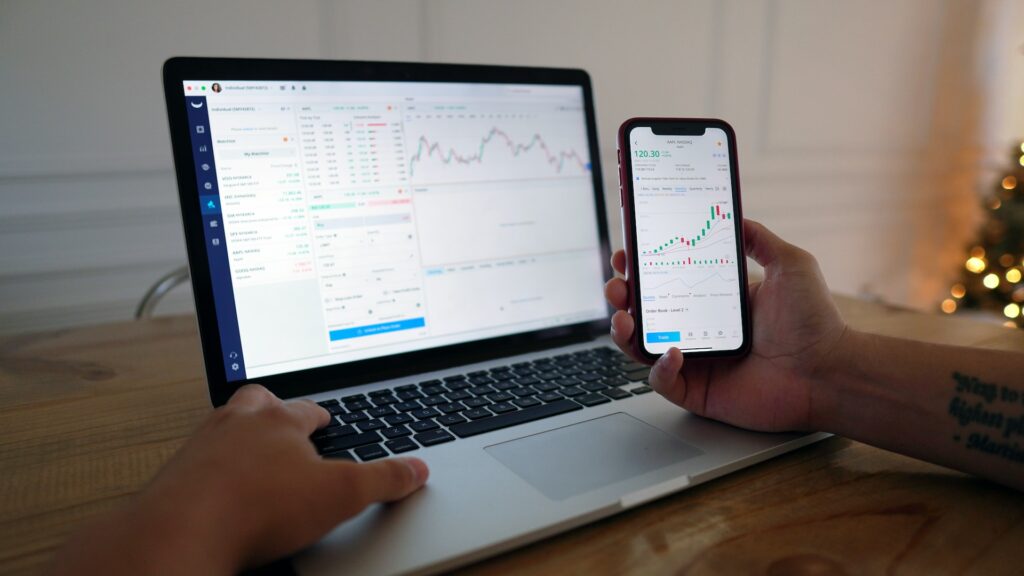
Forex trading brokers offer trading platforms that serve as the interface between traders and the forex market. These platforms provide access to real-time market data, charts, technical analysis tools, and order placement options. Brokers may offer their own proprietary trading platforms or popular third-party platforms such as MetaTrader. The trading platform plays a crucial role in enabling traders to execute trades and manage their forex trading activities.
4. Market Information and Analysis
Forex brokers provide traders with access to a wealth of market information and analysis. They offer news updates, economic calendars, and market analysis reports that can help traders make informed trading decisions. Brokers often provide research tools and educational resources to enhance traders’ understanding of the forex market and improve their trading strategies.
5. Risk Management Tools
Risk management is a vital aspect of forex trading. Brokers offer risk management tools and features to help traders manage their exposure and protect their capital. These tools may include stop-loss orders, take-profit orders, and trailing stops. By utilizing these risk management tools, traders can mitigate potential losses and secure their profits.
6. Customer Support
Forex trading brokers provide customer support to assist traders with any queries or issues they may encounter. Whether it is technical support for the trading platform or assistance in understanding trading concepts, brokers offer customer support channels such as live chat, email, or phone. Reliable customer support ensures that traders can navigate the trading process smoothly and address any concerns promptly.
Conclusion
A forex trading broker plays a crucial role in facilitating traders’ participation in the forex market. They provide trade execution services, access to the global currency markets, trading platforms, market information and analysis, risk management tools, and customer support. Choosing a reputable and reliable forex trading broker is essential for traders to have a seamless and successful trading experience.