

Introduction
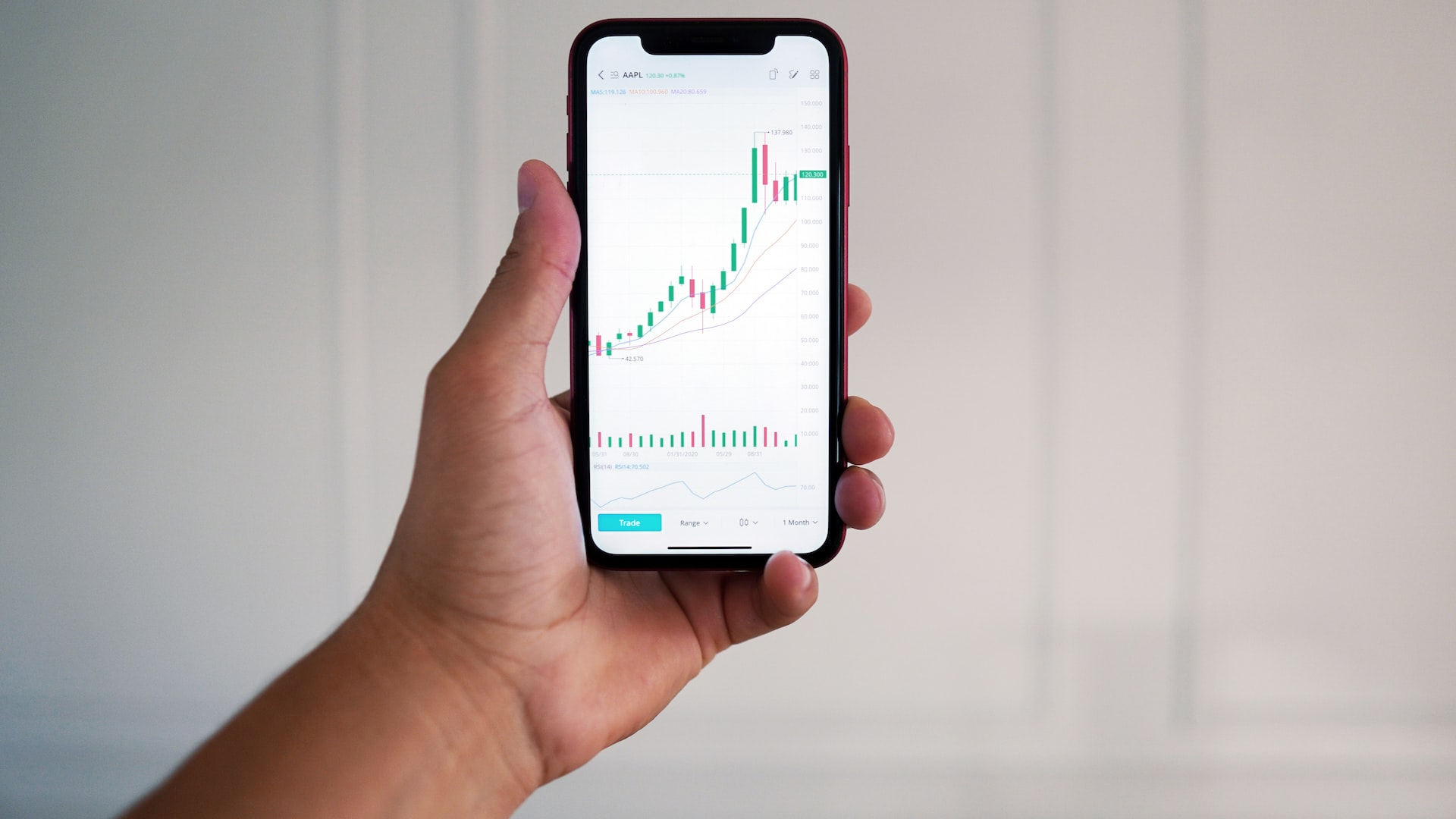
The EUR/USD exchange rate is known for its volatility and frequent fluctuations. These fluctuations are driven by various factors that impact the supply and demand for the euro (EUR) and the US dollar (USD). In this blog post, we will explore the key causes of fluctuations in the EUR/USD exchange rate. Let’s delve into the details.
1. Economic Factors
1.1 Interest Rate Differentials
The interest rate differential between the Eurozone and the United States is a significant driver of fluctuations in the EUR/USD exchange rate. Higher interest rates in one region attract foreign investments, increasing the demand for the currency and potentially strengthening it. Conversely, lower interest rates can decrease the attractiveness of a currency, leading to a weaker exchange rate.
1.2 Economic Indicators
Economic indicators such as Gross Domestic Product (GDP), inflation rates, and employment data can also cause fluctuations in the EUR/USD exchange rate. Stronger economic growth, low inflation, and positive employment figures in one region compared to the other can attract investors and strengthen the respective currency. Conversely, weaker economic performance can lead to a weaker currency.
2. Political Factors
2.1 Political Stability
Political stability or instability can significantly impact the EUR/USD exchange rate. Stable political environments are generally viewed as positive for economic growth and can attract foreign investments, strengthening the currency. Political events such as elections, political crises, or policy changes can introduce uncertainty and volatility, leading to fluctuations in the exchange rate.
2.2 Trade Policies and Tariffs
Changes in trade policies, tariffs, or trade agreements between the Eurozone and the United States can also cause fluctuations in the EUR/USD exchange rate. Political decisions related to trade can impact the balance of imports and exports, influencing the supply and demand for the respective currencies. Trade disputes or the imposition of tariffs can introduce uncertainty and affect investor sentiment, leading to exchange rate fluctuations.
3. Market Sentiment
3.1 Risk Appetite
Market sentiment and risk appetite can influence the demand for currencies, including the EUR/USD. During periods of heightened risk aversion, investors tend to seek safe-haven assets, such as the US dollar, potentially strengthening it against the euro. Conversely, when risk appetite increases, investors may shift their focus to riskier assets, potentially weakening the dollar against the euro.
3.2 Speculation and Market Dynamics
Speculation and market dynamics also play a role in causing fluctuations in the EUR/USD exchange rate. Forex traders and institutional investors engage in speculation based on their expectations of future exchange rate movements. The collective actions of these market participants can drive short-term fluctuations in the exchange rate, especially during periods of high trading volume and volatility.
Conclusion
Fluctuations in the EUR/USD exchange rate are caused by a combination of economic and political factors, as well as market sentiment, speculation, and market dynamics. Interest rate differentials, economic indicators, political stability, trade policies, and risk appetite all influence the supply and demand for the euro and the US dollar. Understanding these key drivers is crucial for forex traders aiming to navigate the dynamic landscape of the EUR/USD exchange rate.