How Reliable Are Live Forex Charts Compared to Historical Data?
Forex traders heavily rely on data to make informed decisions and maximize their profitability. Two significant sources of data are live forex charts and historical data. While both provide valuable insights, it is essential to understand their differences and assess their reliability. In this blog post, we will explore the reliability of live forex charts compared to historical data to help traders make more informed trading decisions.
1. Understanding Live Forex Charts
1.1 What Are Live Forex Charts?
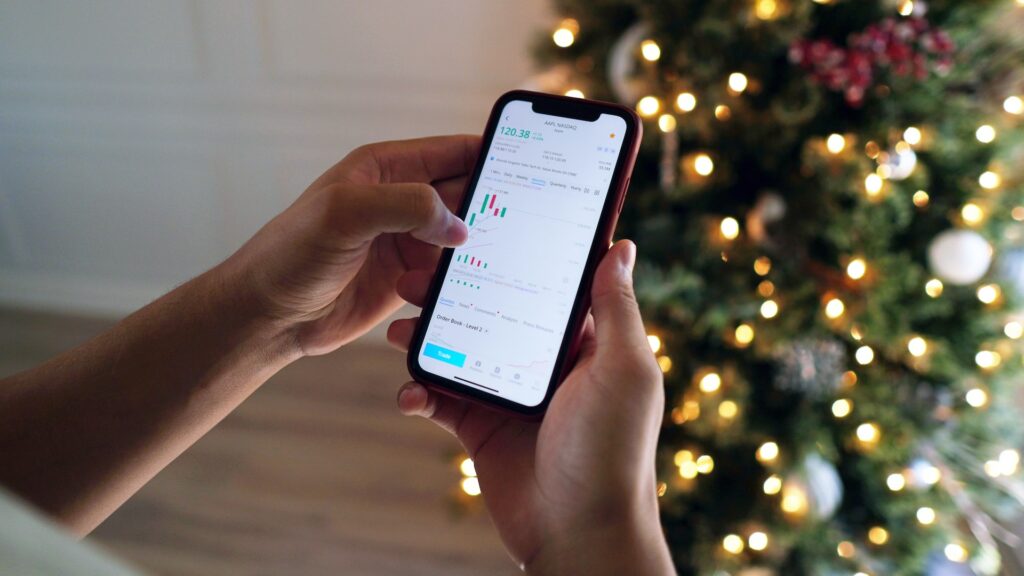
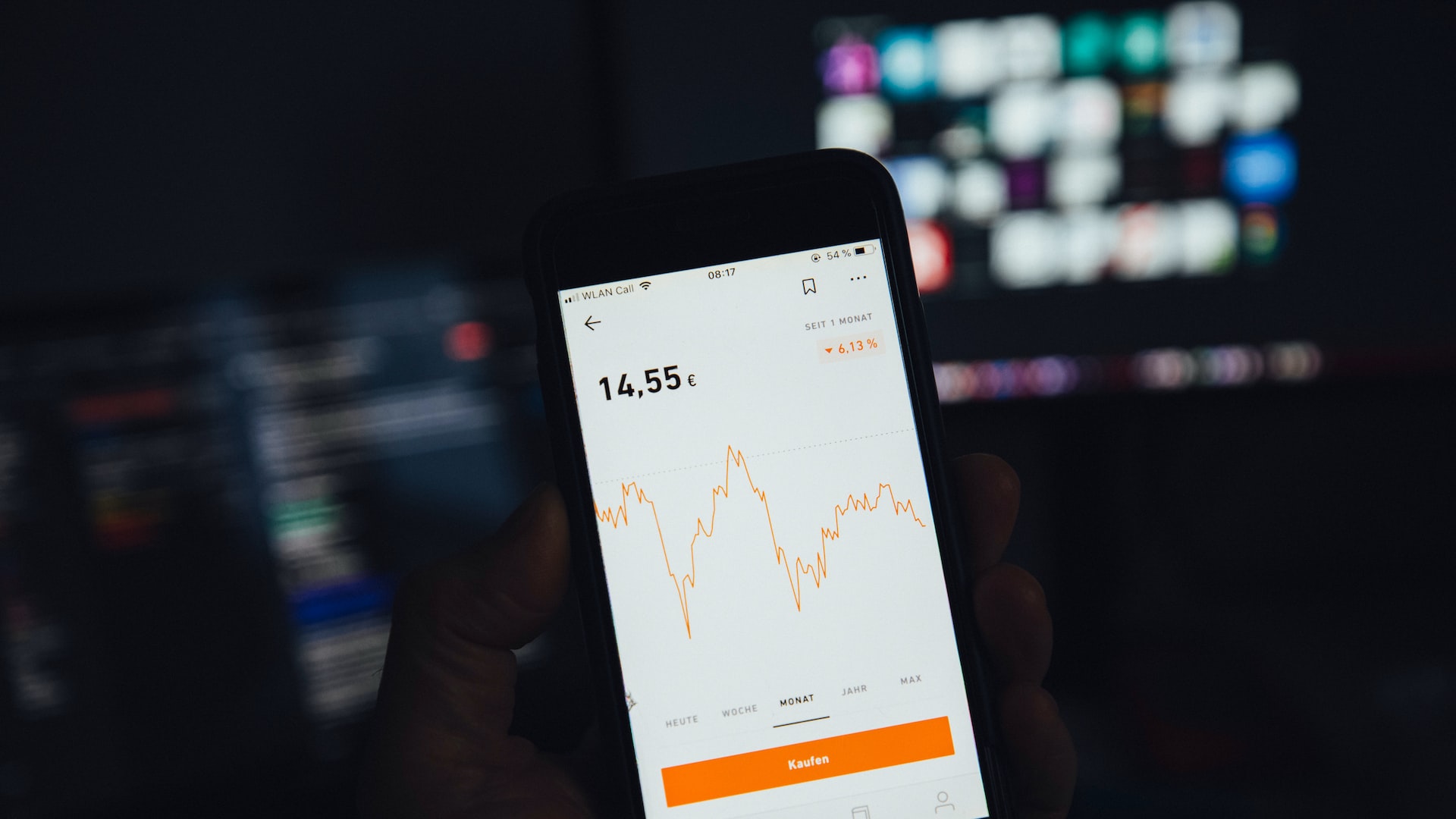
Live forex charts are graphical representations of real-time price and volume data for currency pairs. They provide traders with up-to-the-minute information on current market conditions, including bid and ask prices, trading volume, and price fluctuations. Live charts are typically displayed with different timeframes, such as one minute, five minutes, one hour, or one day, allowing traders to analyze short-term and long-term trends.
1.2 Benefits of Live Forex Charts
Live forex charts offer several benefits:
- Real-time data: Live charts provide traders with the most recent market information, enabling them to react quickly to changing market conditions.
- Visual representation: Charts visually display price movements, trends, and patterns, making it easier for traders to identify potential trading opportunities.
- Technical analysis: Traders can apply technical indicators and drawing tools to live charts, helping them analyze price patterns and develop trading strategies.
- Customization options: Live charts can be customized to suit individual preferences, allowing traders to focus on specific indicators or timeframes that align with their trading strategies.
2. Historical Data and Its Reliability
2.1 What is Historical Data?
Historical data refers to past market information, including price and volume data, that is recorded and stored over a specific period. Traders use historical data to analyze market trends, identify patterns, and backtest trading strategies. It provides valuable insights into how a currency pair has performed in the past and can help traders make predictions about future price movements.
2.2 Reliability of Historical Data
Historical data is generally considered reliable, as it is based on actual market prices and volume. However, there are a few factors that traders should be aware of when using historical data:
- Data quality: The reliability of historical data depends on its source and the accuracy of the data provider. Traders should ensure they use data from reputable sources to minimize any potential inaccuracies.
- Market conditions: Historical data may not accurately reflect current market conditions, as market dynamics can change over time. Traders should consider the context and relevance of historical data when making trading decisions.
- Data gaps: In some cases, historical data may have gaps or missing information due to technical issues or incomplete records. Traders should be cautious when analyzing incomplete data and consider the potential impact on their analysis.
3. Live Forex Charts vs. Historical Data
3.1 Real-time Insights vs. Historical Context
Live forex charts provide real-time insights into current market conditions, allowing traders to react quickly to price movements. They are particularly useful for short-term trading strategies that require up-to-the-minute information. On the other hand, historical data provides a broader context and can help traders understand long-term trends and patterns.
3.2 Complementing Each Other
Live forex charts and historical data are not mutually exclusive. Traders can benefit from using both sources of information to gain a comprehensive understanding of the market. Live charts can help identify short-term trading opportunities, while historical data can provide insights into longer-term trends and patterns.
Conclusion
Both live forex charts and historical data play important roles in a trader’s decision-making process. Live charts provide real-time insights into current market conditions, while historical data offers valuable context and helps identify long-term trends. Traders should use a combination of both sources to make more informed trading decisions. It is important to ensure the accuracy and reliability of data sources when utilizing live charts and historical data. By utilizing these tools effectively, traders can increase their chances of success in the forex market.