

Introduction
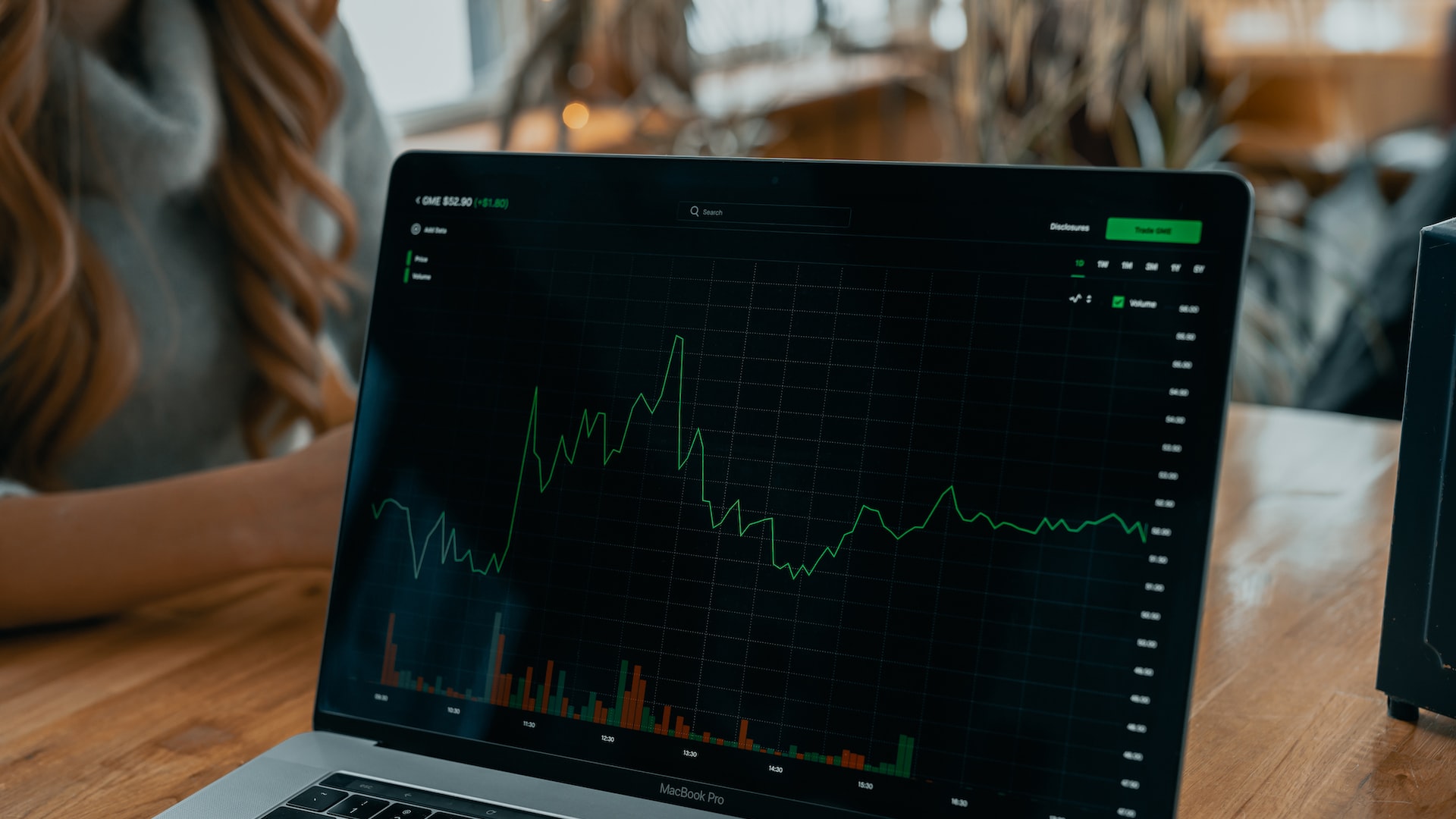
Live forex charts provide traders with real-time data and visual representations of price movements in the foreign exchange market. These charts are widely used to analyze historical trends, identify patterns, and make informed trading decisions. However, it is crucial to assess the reliability of live forex charts before relying solely on them for trading strategies. In this blog post, we will explore the reliability of live forex charts and discuss their strengths and limitations. Let’s dive in.
1. Accurate Representation of Price Movements
Live forex charts aim to provide an accurate representation of price movements in the market. They are created using data from various sources, including liquidity providers and exchanges. These charts show real-time bid and ask prices, as well as historical price data, allowing traders to analyze trends and patterns. However, it is important to note that occasional discrepancies or delays in data can occur, which may impact the accuracy of live forex charts.
2. Technical Analysis Tools
Live forex charts offer a range of technical analysis tools that help traders identify potential entry and exit points. These tools include trend lines, support and resistance levels, moving averages, and oscillators. When used correctly, these indicators can provide valuable insights into market trends and help traders make informed decisions. However, it is essential to understand that technical analysis is not foolproof and should be used in conjunction with other forms of analysis.
3. Market Volatility and Liquidity
Live forex charts can be reliable under normal market conditions, but they may become less accurate during periods of high volatility or low liquidity. During such times, rapid price movements or gaps in data can occur, leading to discrepancies in the chart patterns. Traders should exercise caution and consider additional factors, such as news events or market sentiment, when making trading decisions during volatile market conditions.
4. Psychological Factors
While live forex charts provide valuable information, it is important to consider the impact of psychological factors on trading decisions. Traders may become overly reliant on chart patterns or indicators, leading to biased decision-making. It is crucial to maintain a balanced approach and consider other factors, such as fundamental analysis and risk management strategies, to make well-informed trading decisions.
5. Continuous Monitoring and Adaptability
Live forex charts require continuous monitoring and adaptability. The forex market is dynamic, and prices can change rapidly. Traders need to stay updated with the latest market information, news events, and economic indicators that can influence currency movements. Using live forex charts as part of a comprehensive trading strategy, along with risk management techniques, can help increase the reliability of trading decisions.
Conclusion
Live forex charts are valuable tools for traders to analyze price movements, identify trends, and make informed trading decisions. While they provide real-time data and technical analysis tools, it is important to consider their limitations. Traders should be aware of potential discrepancies or delays in data, the impact of market volatility, and the need for continuous monitoring and adaptability. By combining live forex charts with other forms of analysis and maintaining a balanced approach, traders can enhance the reliability of their trading decisions and navigate the ever-changing foreign exchange market.