What Are Some Common Mistakes in Using Forex Demo Accounts?
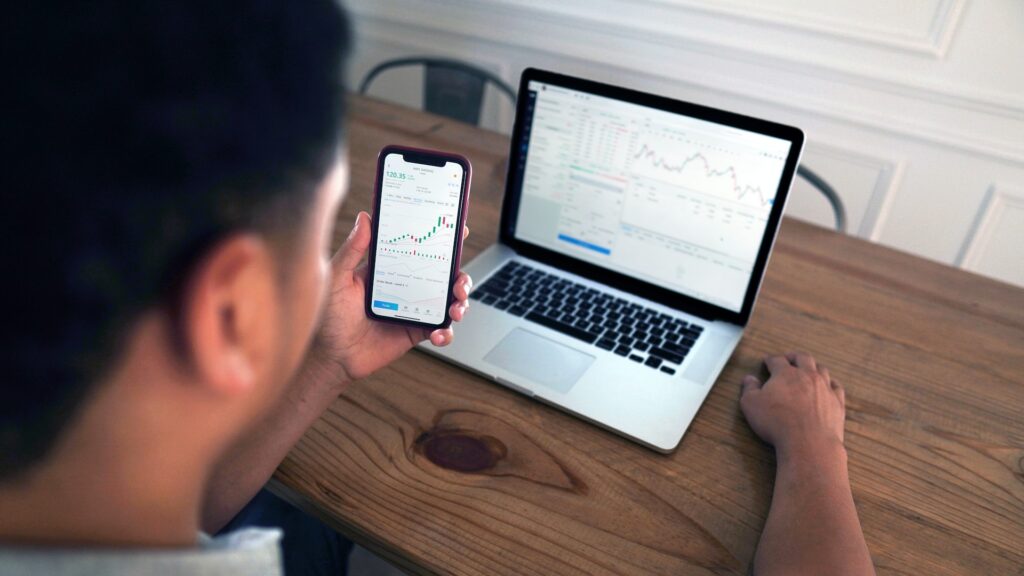
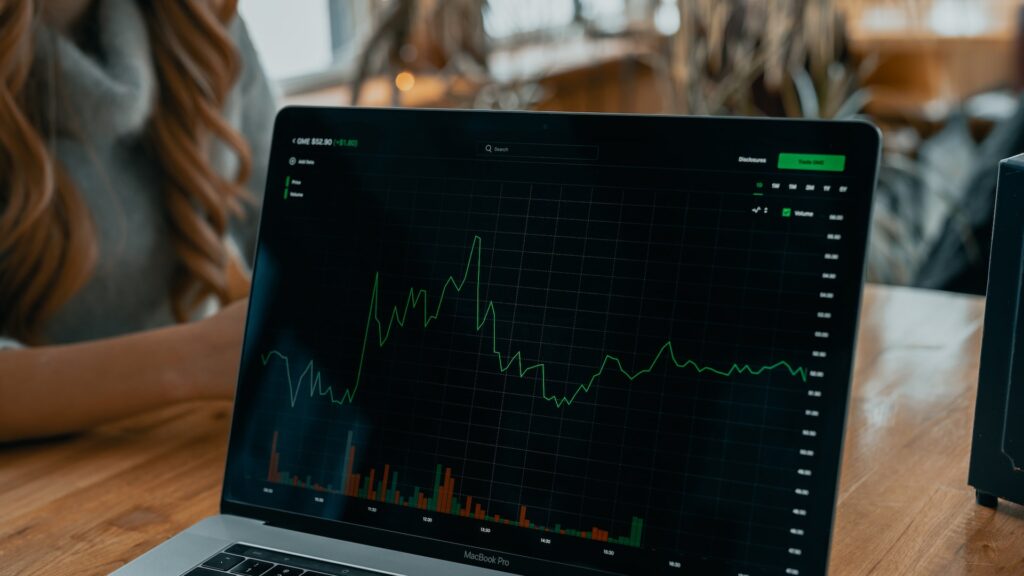
Forex demo accounts are valuable tools for beginner traders to practice and gain experience in the foreign exchange market. They provide a risk-free environment where you can hone your trading skills without the fear of losing real money. However, many traders make common mistakes when using forex demo accounts that can hinder their learning progress. In this blog post, we will discuss some of these mistakes and how to avoid them.
1. Treating Demo Trading as a Game
1.1 Understand the Purpose
One of the most common mistakes traders make is not taking demo trading seriously. While it may not involve real money, it’s crucial to approach demo trading with the same mindset and discipline as you would with live trading. Understand that the purpose of demo trading is to simulate real market conditions and practice your trading strategies.
1.2 Trade with Realistic Capital
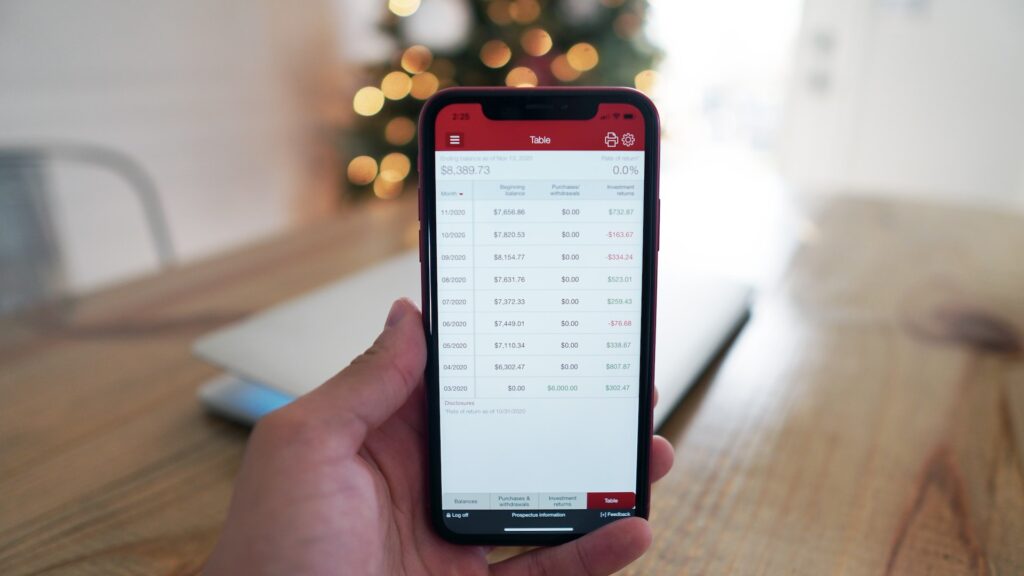
Another mistake is not using a demo account with a capital amount that reflects your intended live trading account. If you plan to start with a $10,000 live trading account, it’s essential to practice with the same amount in your demo account. This way, you will get a realistic understanding of how your strategies perform with the capital you intend to trade with.
2. Ignoring Risk Management
2.1 Implement Proper Stop Loss and Take Profit Levels
Many traders neglect to set appropriate stop loss and take profit levels when demo trading. This is a critical mistake as it exposes them to unnecessary risks. Treat your demo trades as if they were real, and set stop loss and take profit levels based on your trading strategy. This way, you will learn the importance of risk management and protect your capital.
2.2 Avoid Overleveraging
Overleveraging is a common mistake that can lead to significant losses. In demo trading, it’s tempting to use high leverage to maximize potential profits. However, this can also amplify losses if trades go against you. Practice using realistic leverage levels that you would use in live trading to understand the impact on your positions and manage risk effectively.
3. Failing to Follow a Trading Plan
3.1 Develop a Trading Plan
Having a well-defined trading plan is essential for success in the forex market. Unfortunately, many traders fail to create and follow a trading plan when using demo accounts. Take the time to develop a trading plan that outlines your entry and exit strategies, risk management rules, and any other relevant guidelines. Stick to your plan during demo trading to cultivate discipline and consistency.
3.2 Test Different Trading Strategies
While it’s important to have a trading plan, it’s equally crucial to test and refine different trading strategies during demo trading. Avoid the mistake of sticking to a single approach without exploring other options. Experiment with different strategies, indicators, or timeframes to find what works best for you. This way, you can identify the most suitable trading style before transitioning to live trading.
4. Neglecting Emotional Control
4.1 Manage Your Emotions
Controlling emotions is crucial in forex trading, and it applies to demo trading as well. Emotions can cloud judgment and lead to impulsive trading decisions. Practice managing your emotions by staying calm, patient, and disciplined during demo trading. This will help you develop the psychological resilience required to make rational decisions when trading with real money.
Conclusion
Using forex demo accounts is an excellent way to practice and improve trading skills without risking real money. However, it’s essential to avoid common mistakes that can hinder your progress. Treat demo trading seriously, implement proper risk management, follow a trading plan, and practice emotional control. By avoiding these mistakes and approaching demo trading with discipline and dedication, you will maximize your learning experience and be better prepared for live trading.