What are the Key Differences Between Forex and Stock Trading?
When it comes to investing, forex and stock trading are two popular options. While both involve buying and selling assets, there are significant differences between the two markets. In this blog post, we will explore the key differences between forex and stock trading to help you understand which one may be more suitable for you.
1. Market Definition
1.1 Forex Market
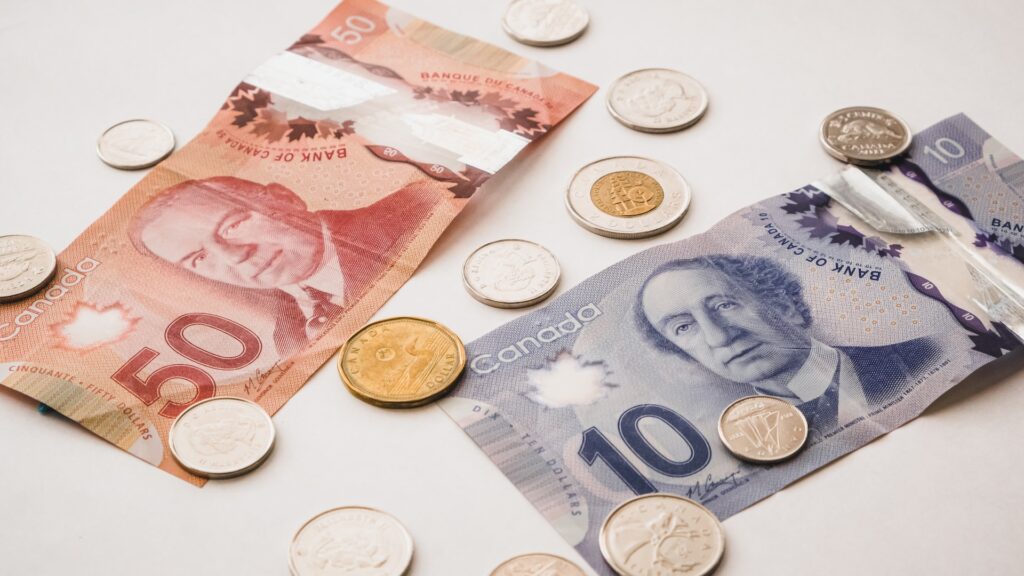
The forex market, also known as the foreign exchange market, is a global decentralized market where participants trade currencies. It is the largest and most liquid financial market globally, with trading volumes exceeding trillions of dollars each day. Forex trading involves speculating on the price movements of currency pairs, such as EUR/USD or GBP/JPY.
1.2 Stock Market
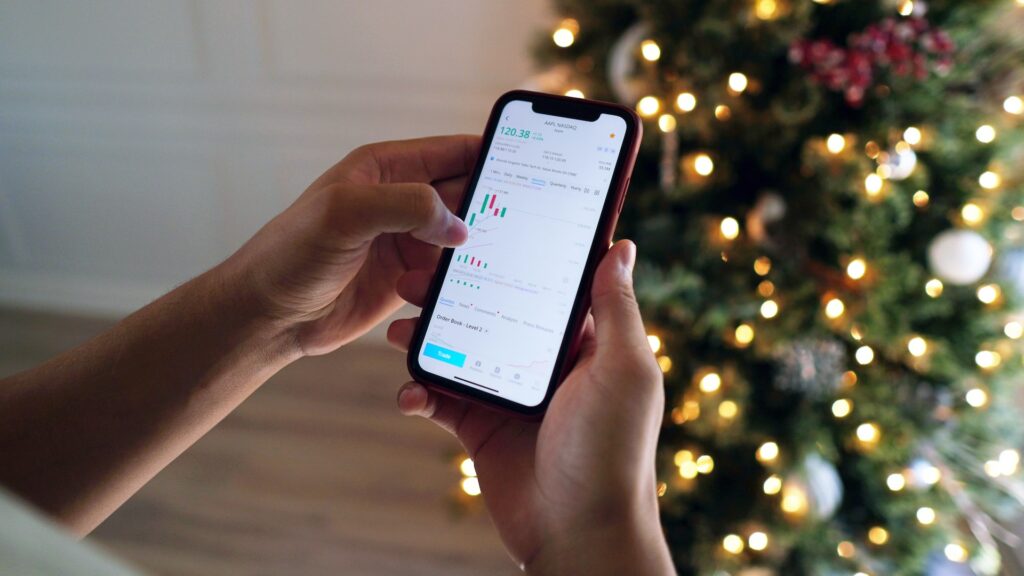
The stock market, on the other hand, refers to exchanges where investors can buy and sell shares of publicly listed companies. It provides a platform for companies to raise capital by selling ownership stakes (shares) to investors. Stock trading involves analyzing individual companies, their financial performance, and industry trends to make informed investment decisions.
2. Asset Class
2.1 Forex Trading
In forex trading, the primary asset class being traded is currencies. Traders speculate on the relative value of one currency against another, aiming to profit from fluctuations in exchange rates. The most commonly traded currency pairs include major currencies like the US dollar, euro, Japanese yen, British pound, and Swiss franc.
2.2 Stock Trading
Stock trading involves buying and selling shares of individual companies or investment vehicles like exchange-traded funds (ETFs) and mutual funds. Stocks represent ownership in a company and provide investors with a share of the company’s profits (through dividends) and potential capital appreciation.
3. Market Structure
3.1 Forex Market
The forex market operates as an over-the-counter (OTC) market, meaning that trades are conducted directly between participants without a centralized exchange. The market is open 24 hours a day, five days a week, allowing for continuous trading across different time zones.
3.2 Stock Market
The stock market operates through exchanges such as the New York Stock Exchange (NYSE) or NASDAQ, where buyers and sellers come together to trade shares in a regulated and transparent manner. Trading hours are typically limited to specific time slots during weekdays.
4. Trading Hours
4.1 Forex Trading
Forex trading is available 24 hours a day, starting from Sunday evening (Eastern Time) and continuing until Friday evening. This round-the-clock availability allows traders to react to global news and events that may impact currency movements.
4.2 Stock Trading
Stock trading hours are typically limited to the local business hours of the stock exchange on which the company’s shares are listed. For example, in the United States, the NYSE and NASDAQ are open from 9:30 am to 4:00 pm Eastern Time, Monday through Friday.
5. Market Influences
5.1 Forex Trading
Forex markets are influenced by a wide range of factors, including economic indicators, geopolitical events, central bank policies, and market sentiment. Currency prices can fluctuate rapidly in response to news and events, making forex trading highly volatile.
5.2 Stock Trading
The stock market is influenced by company-specific factors such as earnings reports, product launches, management changes, and broader market trends. Stock prices can be impacted by both company-specific news and overall market conditions.
Conclusion
Forex and stock trading are distinct markets with their own characteristics and appeal. Forex trading focuses on the exchange of currencies, offering continuous trading and high liquidity. Stock trading, on the other hand, revolves around buying and selling shares of individual companies or investment vehicles. Understanding the key differences between these markets can help you make an informed decision based on your investment goals, risk tolerance, and personal preferences.