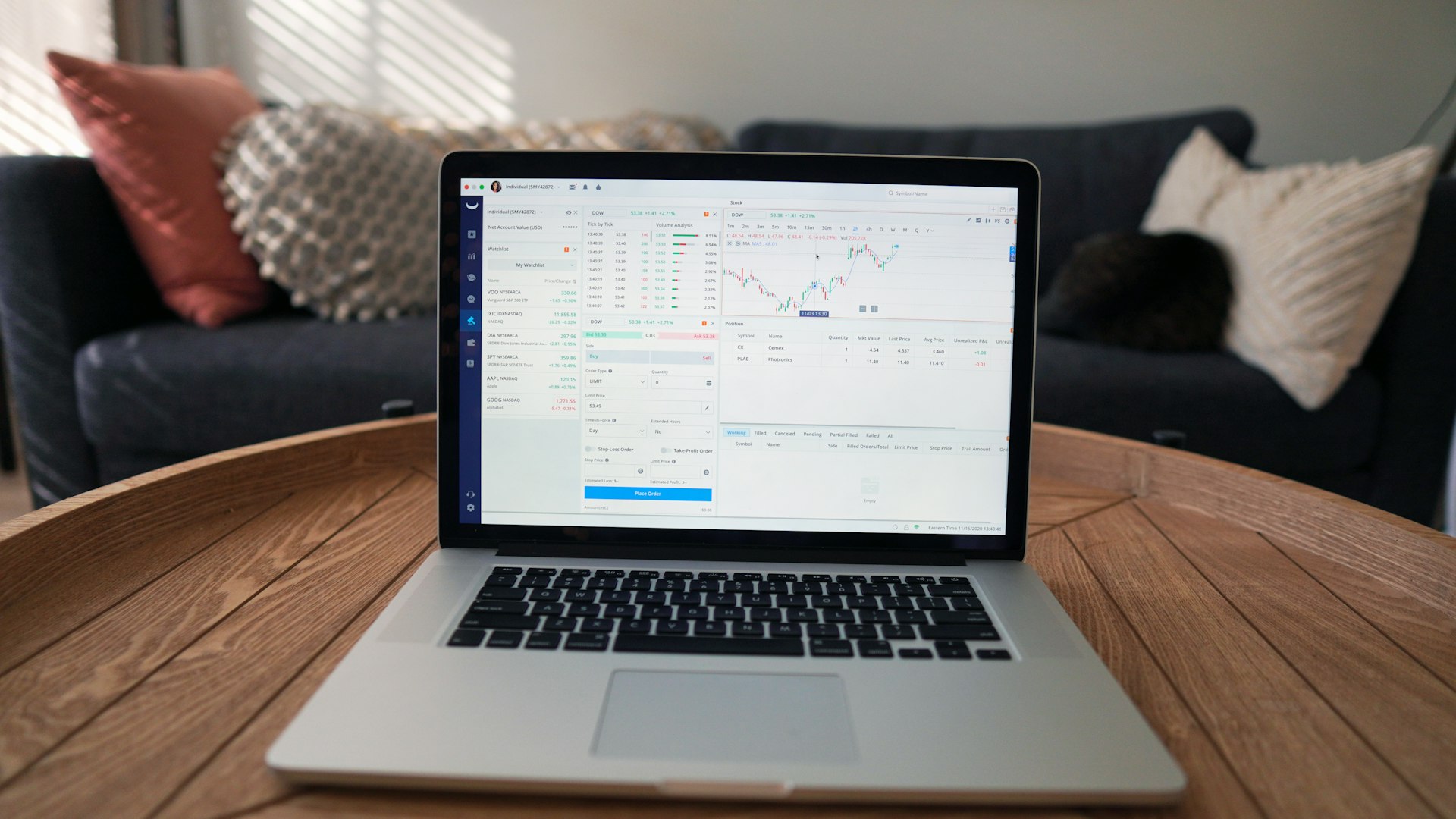
What Are the Key Differences Between Forex and Stock Trading?
Forex and stock trading are two popular investment options that offer opportunities for financial growth. While both involve trading financial instruments, there are several key differences that investors should understand. In this blog post, we will explore the primary differences between forex and stock trading, helping you make informed decisions about your investment strategies.
1. Understanding Forex Trading
1.1 Definition and Market
Forex, short for foreign exchange, involves buying and selling different currencies with the aim of profiting from the fluctuations in exchange rates. The forex market is the largest and most liquid financial market globally, with trades taking place 24 hours a day. It operates through a decentralized network of banks, financial institutions, and individual traders.
1.2 Currency Pairs
In forex trading, currency pairs are traded. A currency pair represents the exchange rate between two currencies. For example, EUR/USD represents the Euro against the US Dollar. Traders speculate on the direction in which a currency pair’s value will move, aiming to profit from the exchange rate fluctuations.
2. Understanding Stock Trading
2.1 Definition and Market
Stock trading involves buying and selling shares or ownership stakes in publicly traded companies. The stock market provides a platform where investors can trade stocks, and it is regulated by stock exchanges. Companies offer shares to the public through an initial public offering (IPO), and these shares can then be bought and sold on the stock market.
2.2 Company Ownership
When you invest in stocks, you become a partial owner of the company. The number of shares you own determines your ownership stake and your entitlement to the company’s profits. As a shareholder, you may also have voting rights on certain company matters, depending on the type of shares you hold.
3. Differences in Market Structure
3.1 Market Size and Liquidity
The forex market is significantly larger and more liquid than the stock market. Daily trading volumes in the forex market can reach trillions of dollars, providing ample trading opportunities. The stock market, although substantial, is smaller in comparison. The higher liquidity in the forex market ensures that traders can enter and exit positions quickly.
3.2 Trading Hours
Forex trading operates around the clock, five days a week, as it follows the sun across different time zones. The stock market, on the other hand, has specific trading hours that vary by country and stock exchange. Typically, stock market trading occurs during regular business hours, making it less accessible for those with limited availability during the day.
4. Factors Affecting Prices
4.1 Economic Indicators and Geopolitical Events
In forex trading, prices are heavily influenced by economic indicators such as GDP, interest rates, employment data, and geopolitical events. News and developments that impact the economies of the currencies being traded can have a significant effect on exchange rates. Traders closely monitor economic news and data releases to make informed trading decisions.
4.2 Company Performance and Market Sentiment
In stock trading, prices are driven by factors such as company performance, earnings reports, industry trends, and market sentiment. Positive news about a company’s financial performance or a favorable market outlook can cause stock prices to rise. Conversely, negative news or poor company performance can lead to price declines.
5. Risk and Return Profiles
5.1 Volatility and Risk Management
Both forex and stock trading carry risks, but they differ in terms of volatility and risk management strategies. Forex markets tend to be more volatile due to the influence of economic events and geopolitical factors. Risk management techniques such as stop-loss orders and position sizing are crucial in both markets to protect against potential losses.
5.2 Return Potential
The return potential varies between forex and stocks. Forex trading can offer the potential for quick gains due to leverage and high liquidity. However, it also comes with higher risk. Stock trading, on the other hand, can provide long-term returns through capital appreciation and dividends. Stocks are generally considered a more stable investment option, but they can still be subject to market volatility.
6. Conclusion
Forex and stock trading are distinct investment options with their own characteristics and risks. Forex trading involves trading currencies and profiting from exchange rate fluctuations, while stock trading involves buying and selling shares of publicly traded companies. Understanding the differences in market structure, factors affecting prices, and risk and return profiles is essential for making informed investment decisions. Ultimately, the choice between forex and stocks depends on your investment goals, risk tolerance, and preferences.