What Resources Can Help Me in Successful Forex and Stock Trading?
Successful forex and stock trading require a combination of knowledge, skills, and access to the right resources. In this blog post, we will explore some essential resources that can help you improve your trading strategies and make informed investment decisions.
1. Educational Materials and Courses
1.1 Online Trading Courses
Online trading courses offer structured learning opportunities for both beginners and experienced traders. These courses cover various aspects of forex and stock trading, including technical analysis, fundamental analysis, risk management, and trading psychology. Look for reputable platforms that offer comprehensive courses taught by experienced traders or industry professionals.
1.2 Trading Books and eBooks
Books and eBooks on forex and stock trading provide in-depth knowledge and insights from seasoned traders and experts. They cover a wide range of topics, including trading strategies, market analysis, and the psychology of trading. Some popular trading books include “Trading in the Zone” by Mark Douglas and “A Random Walk Down Wall Street” by Burton Malkiel.
2. Financial News and Analysis
2.1 Financial News Websites and Apps
Staying updated with the latest financial news is crucial for successful trading. Websites and apps like Bloomberg, Reuters, and CNBC provide real-time news, market analysis, and insights into economic trends. Use these resources to track market-moving events, economic indicators, and company-specific news that can impact forex and stock prices.
2.2 Economic Calendars
Economic calendars are tools that provide a schedule of upcoming economic releases, such as GDP reports, employment data, and central bank announcements. These events can significantly impact currency and stock markets. By consulting economic calendars, you can plan your trades and be prepared for potential market volatility.
3. Technical Analysis Tools
3.1 Charting Platforms
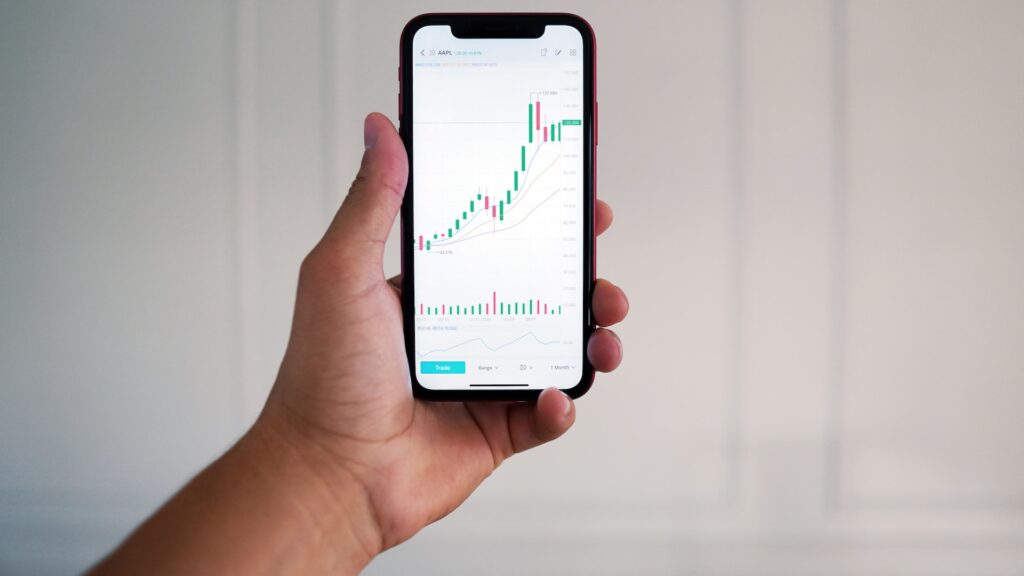
Charting platforms like MetaTrader and TradingView offer a wide range of technical analysis tools and indicators. These platforms allow you to analyze historical price data, identify patterns, and make informed trading decisions. Use these tools to study price charts, apply technical indicators, and develop your trading strategies.
3.2 Stock Screeners
Stock screeners are tools that help you filter and narrow down stocks based on specific criteria, such as market capitalization, sector, or performance metrics. Platforms like Finviz and Yahoo Finance offer stock screeners that can assist you in identifying potential trading opportunities based on your investment preferences and trading strategies.
4. Trading Simulators and Demo Accounts
4.1 Trading Simulators
Trading simulators allow you to practice trading without risking real money. These platforms provide a simulated trading environment where you can execute trades, test different strategies, and gain practical experience. By using trading simulators, you can refine your trading skills and build confidence before trading with real capital.
4.2 Demo Accounts
Forex brokers and stock trading platforms often offer demo accounts that allow you to trade with virtual funds. Demo accounts replicate real trading conditions, enabling you to familiarize yourself with the platform’s features and practice executing trades. Use demo accounts to test your strategies and assess the platform’s suitability for your trading needs.
5. Online Communities and Forums
5.1 Trading Forums
Joining online trading forums and communities can provide valuable insights and opportunities for discussions with fellow traders. Platforms like Forex Factory and Reddit’s r/StockMarket allow you to interact with experienced traders, share ideas, and learn from their experiences. Engaging in these communities can broaden your perspective and help you stay updated with market trends.
5.2 Social Trading Platforms
Social trading platforms, such as eToro and ZuluTrade, combine trading and social networking. These platforms allow you to follow and copy the trades of successful traders. By observing their strategies and performance, you can learn from their expertise and potentially improve your own trading results.
Conclusion
Successful forex and stock trading require continuous learning and access to the right resources. Educational materials, financial news, technical analysis tools, trading simulators, and online communities can all contribute to your trading success. By leveraging these resources effectively, you can enhance your trading skills, make informed investment decisions, and increase your chances of achieving profitable trading outcomes.