

Introduction
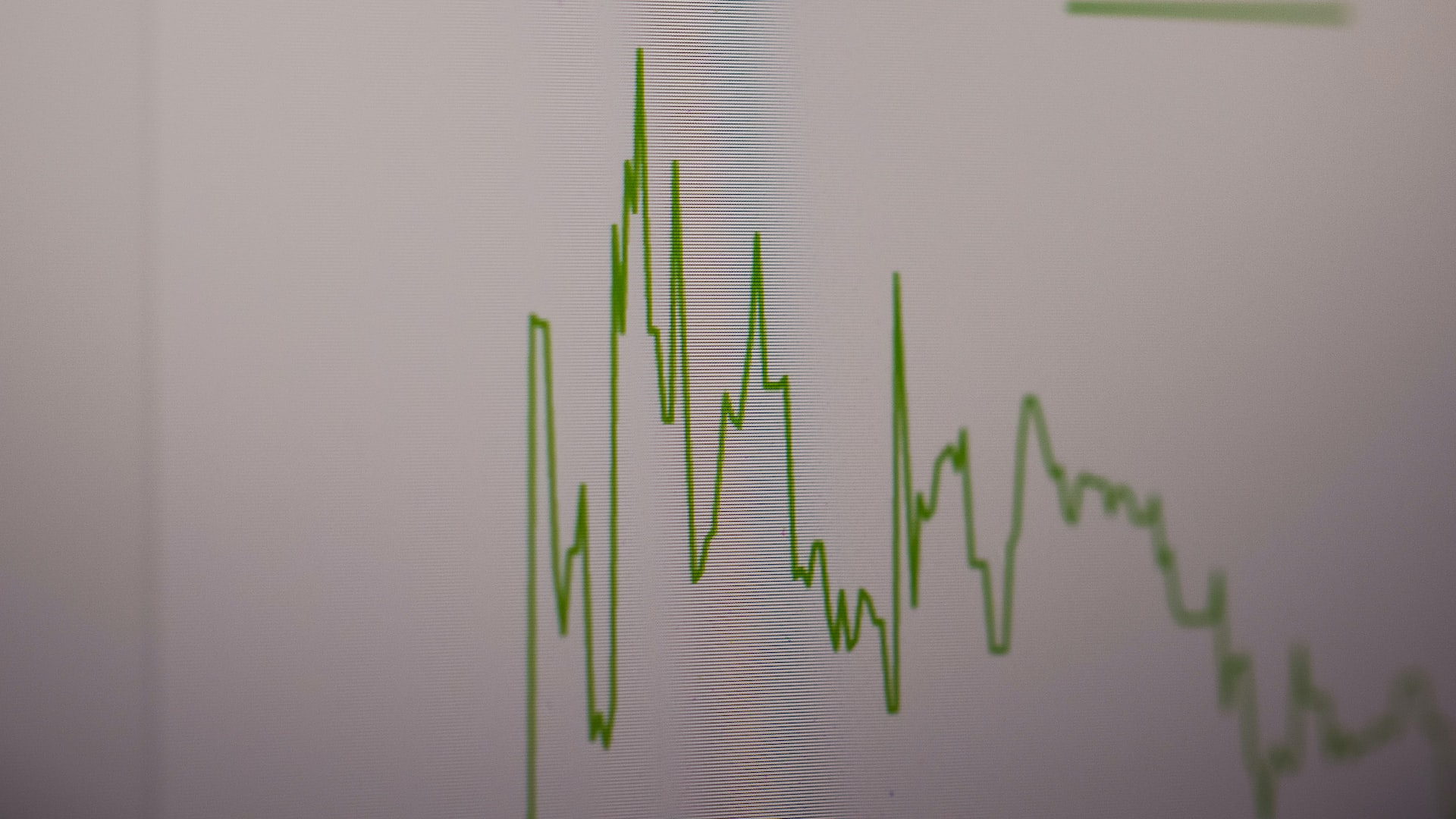
Market volatility is a crucial factor that significantly impacts forex and stock trading. It refers to the degree of price fluctuations within a given period. Understanding how market volatility affects these markets is essential for traders to make informed decisions and manage their risk effectively. In this blog post, we will explore the impact of market volatility on forex and stock trading.
1. Forex Trading and Market Volatility
1.1 Increased Opportunities
Higher market volatility in the forex market can create increased trading opportunities. Volatile market conditions often lead to larger price movements, which can result in potential profits for traders. Currency pairs may experience significant swings, providing opportunities for both short-term and long-term trading strategies.
1.2 Higher Risk
While market volatility can present opportunities, it also comes with increased risk. Sharp price movements can result in substantial losses if not managed properly. Traders need to be cautious and employ risk management techniques, such as setting stop-loss orders and managing position sizes, to mitigate the potential impact of market volatility on their trading capital.
1.3 Impact of News Events
Market volatility in the forex market is often triggered by significant news events, such as economic data releases, central bank announcements, or geopolitical developments. These events can cause sudden shifts in currency values, leading to increased volatility. Traders need to stay informed about upcoming news events and be prepared for potential market reactions.
2. Stock Trading and Market Volatility
2.1 Price Swings
Market volatility in the stock market can result in significant price swings for individual stocks or stock indices. Stocks are influenced by various factors, including company earnings, economic conditions, and market sentiment. Higher volatility can lead to larger price movements, providing opportunities for traders who can accurately predict and capitalize on these swings.
2.2 Increased Risk
With increased volatility comes increased risk in stock trading as well. Sudden price fluctuations can result in substantial gains or losses, depending on the direction of the market. Traders need to employ risk management strategies, such as using stop-loss orders and diversifying their portfolios, to protect their capital from the potential impact of market volatility.
2.3 Impact of Company News
Company-specific news, such as earnings reports, product launches, or regulatory announcements, can significantly impact individual stocks. Positive or negative news can cause rapid price movements and increased volatility in the stock market. Traders need to stay updated with company news and assess the potential impact on stock prices to make informed trading decisions.
3. Strategies for Trading Volatile Markets
3.1 Adaptability
Traders need to be adaptable and adjust their trading strategies to suit volatile market conditions. Strategies that work well in stable markets may not be as effective during periods of high volatility. Traders should consider employing shorter-term trading strategies, such as scalping or day trading, which can take advantage of quick price movements in volatile markets.
3.2 Risk Management
Proper risk management is crucial when trading in volatile markets. Traders should define their risk tolerance and set appropriate stop-loss orders to limit potential losses. Diversifying the portfolio across different instruments and asset classes can also help spread the risk and mitigate the impact of market volatility on overall trading performance.
3.3 Use of Volatility Indicators
Traders can use volatility indicators, such as Bollinger Bands or Average True Range (ATR), to assess market volatility and identify potential trading opportunities. These indicators can help determine when market volatility is high or low, enabling traders to adjust their trading strategies accordingly.
4. Conclusion
Market volatility significantly impacts forex and stock trading, creating both opportunities and risks. Higher volatility can lead to increased trading opportunities but also increases the risk of substantial losses. Traders need to adapt their strategies, employ effective risk management techniques, and stay informed about market and company-specific news to navigate volatile markets successfully. By understanding the impact of market volatility, traders can make informed decisions and enhance their trading performance.