

Introduction
Comparing the services of different forex brokers is essential to find the one that aligns with your trading goals and preferences. With numerous brokers available, it can be overwhelming to make a decision. In this blog post, we will discuss the key factors you should consider when comparing the services of various forex brokers.
1. Regulation and Security
Start by checking the regulatory status and security measures implemented by each forex broker. Look for brokers regulated by reputable financial authorities, as they must adhere to strict guidelines and offer a level of protection for your funds. Consider if the broker keeps clients’ funds in segregated accounts and if they provide additional security measures like two-factor authentication.
2. Trading Platforms and Tools
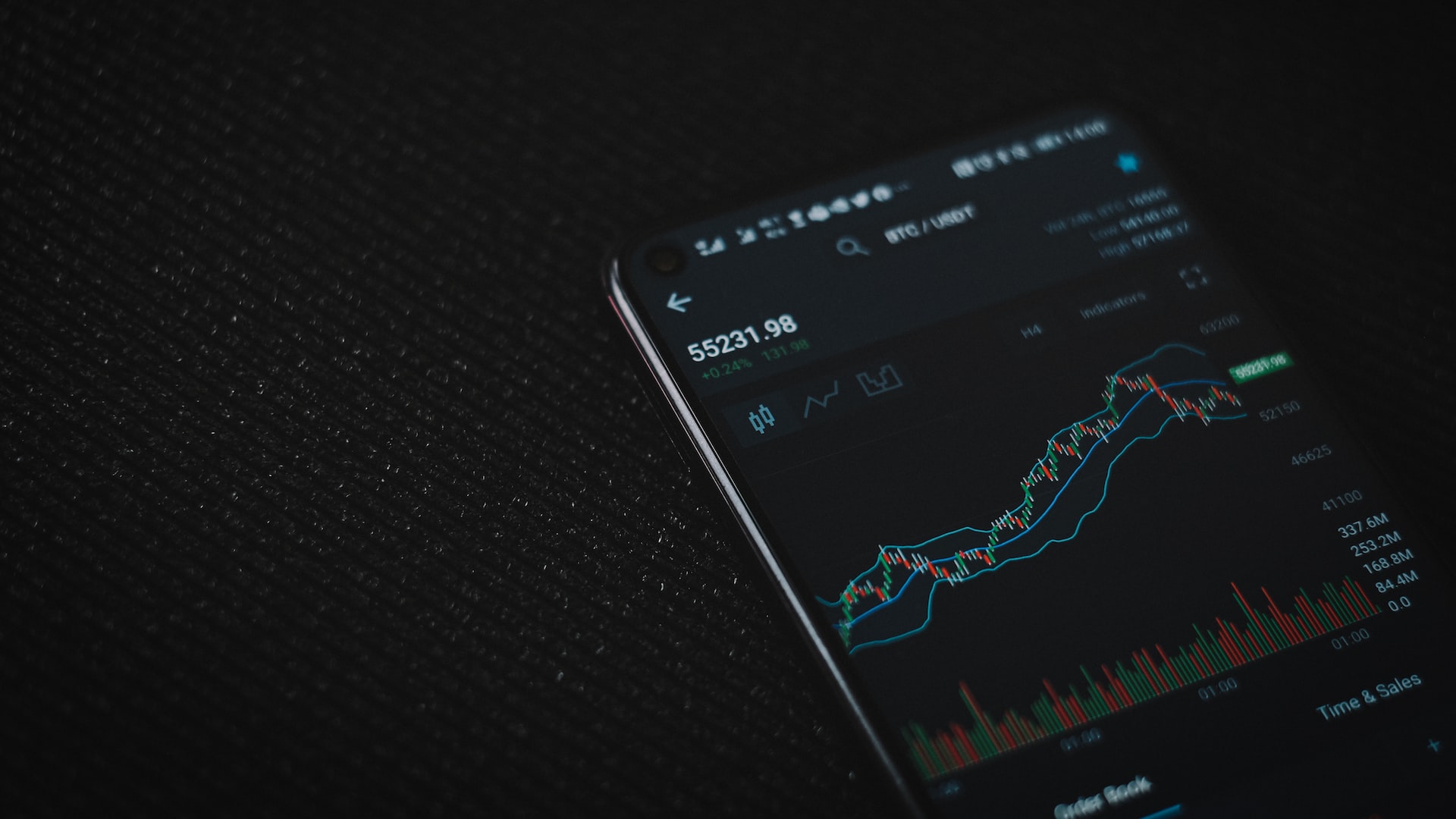
Evaluate the trading platforms and tools offered by each broker. A user-friendly and reliable trading platform is crucial for seamless trading. Look for platforms that offer advanced charting tools, technical indicators, and order execution features. Consider if the broker offers a mobile trading app, as it allows you to trade on the go using your smartphone or tablet.
3. Range of Tradable Instruments
Consider the range of tradable instruments provided by each broker. While most brokers offer major currency pairs, check if they also provide access to exotic currency pairs, commodities, indices, or cryptocurrencies if you have specific trading preferences. Having a diverse range of instruments allows you to explore different markets and diversify your trading portfolio.
4. Execution and Spreads
Compare the execution quality and spreads offered by different brokers. Look for brokers that offer fast and reliable order execution with minimal slippage. Additionally, consider the spreads charged by each broker. Lower spreads can result in lower trading costs, but be cautious of brokers offering excessively tight spreads, as it may indicate poor execution quality.
5. Customer Support
Evaluate the quality of customer support provided by each broker. Check if they offer responsive and knowledgeable customer support representatives who can assist you with any trading-related queries or technical issues. Consider if the broker offers multiple channels of support, such as live chat, email, or phone, and if they provide support in your preferred language and time zone.
6. Account Types and Minimum Deposit
Review the different account types offered by each broker and the minimum deposit required to open an account. Some brokers offer various account types tailored to different trading styles and experience levels. Consider if the minimum deposit aligns with your budget and trading goals. Additionally, check if the broker offers demo accounts, which allow you to practice trading with virtual funds before risking real money.
7. Educational Resources and Research Tools
Consider the educational resources and research tools provided by each broker. Look for brokers that offer comprehensive educational materials like tutorials, webinars, and trading guides to help enhance your trading skills and knowledge. Additionally, check if the broker provides market analysis, economic calendars, and other research tools to aid your trading decisions.
Conclusion
Comparing the services of various forex brokers is crucial to find the one that best suits your trading needs. Consider factors such as regulation and security, trading platforms and tools, range of tradable instruments, execution and spreads, customer support, account types, minimum deposit, and educational resources. By conducting thorough research and comparing multiple brokers, you can make an informed decision and enhance your trading experience.