Trends in the Australian Forex Market
The Australian forex market has experienced significant growth in recent years, driven by various factors such as regulatory changes, technological advancements, and shifts in global economic dynamics. In this blog post, we will explore the current trends shaping the Australian forex market, providing valuable insights for traders and investors.
Section 1: “Increased Retail Participation”
The Australian forex market has witnessed a surge in retail participation, with more individual traders entering the market. This trend can be attributed to the increasing accessibility of online trading platforms, educational resources, and the growing interest in forex trading as a means of generating income. Retail traders now have access to a wide range of trading tools and resources, empowering them to participate in the forex market effectively.
Subsection 1: “Rise of Mobile Trading”
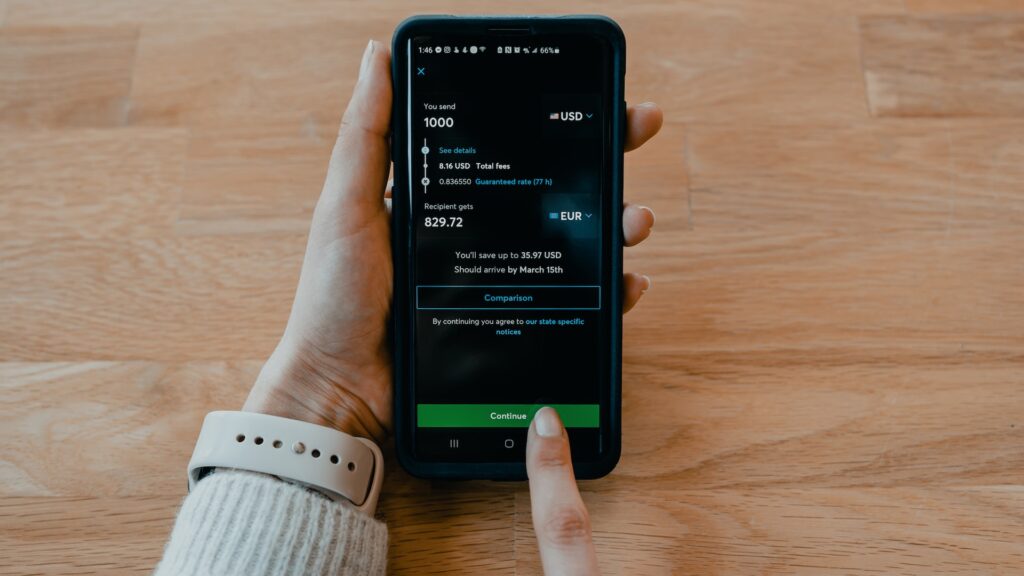
Mobile trading has emerged as a prominent trend in the Australian forex market. With the advent of advanced mobile applications, traders can now access their trading accounts and monitor the markets on their smartphones or tablets. This flexibility allows traders to seize trading opportunities on the go, enhancing their overall trading experience and responsiveness to market movements.
Subsection 2: “Social Trading and Copy Trading”
Social trading and copy trading have gained popularity among Australian forex traders. Social trading platforms enable traders to connect, share strategies, and follow the trades of successful traders. Copy trading allows less experienced traders to automatically replicate the trades of more experienced traders. These trends have democratized trading, allowing novice traders to learn from and trade like professionals.
Section 2: “Regulatory Changes and Compliance”
The Australian forex market has witnessed significant regulatory changes in recent years, aimed at enhancing market transparency and investor protection. The Australian Securities and Investments Commission (ASIC) has implemented stricter regulations for forex brokers, ensuring compliance with robust standards. This has led to increased confidence among traders, knowing that they are trading with regulated and reputable brokers.
Subsection 1: “Product Intervention Measures”
ASIC has introduced product intervention measures to address concerns related to high-risk trading products, such as binary options and contracts for difference (CFDs). These measures include leverage restrictions, standardized risk warnings, and negative balance protection. While these regulations aim to protect retail traders, they also impact the trading conditions and offerings of forex brokers operating in the Australian market.
Subsection 2: “Enhanced Client Money Protection”
Regulatory changes have also focused on strengthening client money protection in the Australian forex market. Brokers are now required to segregate client funds from their own operational funds and hold them in separate trust accounts. This ensures that client funds are protected in the event of broker insolvency, providing traders with an added layer of security and peace of mind.
Section 3: “Technological Advancements and Automation”
Technological advancements have revolutionized the forex market, enabling traders to leverage automation and sophisticated tools for trading and analysis.
Subsection 1: “Algorithmic Trading and Expert Advisors”
Algorithmic trading, also known as automated trading, has gained traction among Australian forex traders. Through the use of algorithms and computer programs, traders can automate their trading strategies and execute trades with speed and precision. Expert advisors (EAs) are specialized software programs that can generate trading signals and execute trades automatically based on predefined criteria. These advancements have increased trading efficiency and allowed traders to capitalize on market opportunities more effectively.
Subsection 2: “Artificial Intelligence and Machine Learning”
Artificial intelligence (AI) and machine learning (ML) technologies have also found their way into the Australian forex market. AI-powered trading systems can analyze vast amounts of data, identify patterns, and make predictions about market movements. ML algorithms can adapt and improve over time, enhancing trading strategies and decision-making processes. These technologies are enabling traders to gain a competitive edge by leveraging data-driven insights in their trading activities.
Section 4: “Conclusion”
The Australian forex market is evolving rapidly, driven by increased retail participation, regulatory changes, and technological advancements. Traders and investors need to stay informed about these trends to adapt their strategies and make informed trading decisions. By embracing mobile trading, social trading, and automation, traders can take advantage of the opportunities presented by the evolving forex landscape in Australia.